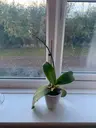
Solanum bahianum
Taxonomy

Solanum bahianum
Solanum
Solanaceae
Solanales

How to care for Solanum bahianum
How often to water your Solanum bahianum

every 9
Solanum bahianum needs 0.5 cups of water every 9 when it doesn’t get direct sunlight and is potted in a 5" pot.
Use our water calculator to personalize watering recommendations to your environment or download Greg for more advanced recommendations for all of your plants.
Water 0.5 cups every
9
Finding light for Solanum bahianum in your home

a window
Solanum bahianum love being close to bright, sunny windows 😎.
Place it less than 1ft from a south-facing window to maximize the potential for growth.
Solanum bahianum does not tolerate low-light 🚫.
Select your region to see how the current weather in your area affects the placement of Solanum bahianum in your home 🏡.
How to fertilize Solanum bahianum

Most potting soils come with ample nutrients which plants use to produce new growth.
By the time your plant has depleted the nutrients in its soil it’s likely grown enough to need a larger pot anyway.
To replenish this plant's nutrients, repot your Solanum bahianum after it doubles in size or once a year—whichever comes first.
-
Hi, to the 18 it shows to have this plant in your collection... how's your Solanum uleanum doing? Do you have it in a shadier place OR a little more indirect light? #Solanumuleanum
-
My tomato sapling fell! I know I should prop it up, but I’m not sure how, because it is really thin and would break if I tried to tie a stick to it. Does anyone have any suggestions? #TomatoPlant
-
Hey! Does this plant look good or not? I’m new to this so I’m afraid I’m killing him
-
Does my tomato plant need more water or less water? (Or something else?)
-
Can anyone tell me what is on my tomato plant and if it can get on another one that I have. It started out like black spots around the edge of the leaves and then turned yellow, curled up dry. The new growth does not have it. #TomatoPlant
-
What’s going on with the plant? How can I fix it? #TomatoPlant
-
Why is yellow? I’ve had this tomato plant since spring, and he’s been doing great. Lovely tomatoes. But he’s turning yellow on some leaves. I know he needs a bigger pot, but is that the only cause of yellow leaves?? (Ignore the pots) #HappyPlants #PlantsMakePeopleHappy #NewPlantMom #PlantAddict
-
I just bought an eggplant is it in the right place or should I move it The spot in question is in direct sunlight
-
Luna hates the wind and low humidity. I have thrown every economical idea to combat it. Always stresses in the evening. Today high of 78 windy and 25% humidity.
-
Is this normal? My cherry tomato has become a shade princess, is this normal? Its real protective of new top vegetation and its future flowers. It could still be the humidity and wind also, in the sun the top veg sweats and becomes really delicate and im afraid and just give it morning sun and partial shade.


Care Summary for Solanum bahianum
Solanum bahianum
 Greg recommends:
 Water
Water
0.5 cups every 9 days
 Placement
< 1ft from a window
 Nutrients
Repot after 2x growth
Based on the 4” pot your plant is in, and that it doesn’t get direct sunlight.
 Trending in your area







 Similar to Solanum bahianum


✨ Discover rare plants

Ace of Spades

Pink Ruby Sedevaria
Rosularia platyphylla

Fagraea ceilanica

Large Leaf Elephant B…

Chinese Evergreen 'Go…

Aloe 'Lavender Star'

Munstead Lavender

Caladium

Hoya 'Millie'

Lavandula Pedunculata

Cleistocactus icosago…

Betel

Peperomia 'Harmony's …

Aglaonema Spitfire
Graptopetalum 'Marqui…
Stanhopea tigrina