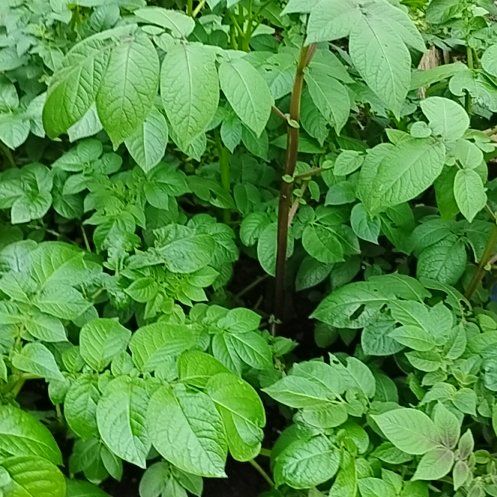
Potatoes thrive in fabric grow bags or large plastic pots at least 15 inches deep with drainage holes. Start with a few inches of soil at the bottom, then hill more around the stems as the plant grows. Deep containers produce more tubers than shallow ones.
What Size Pot Does a Potato Plant Need?
Potatoes form tubers along buried stems, so depth matters more than width. You need a container at least 15–18 inches deep to allow room for hilling, which is the process of adding soil around the stems as they grow to encourage more tuber production.
A 10–15 gallon container works well for 2–3 seed potatoes. Anything smaller limits both the number and size of tubers you'll harvest.
Avoid going too wide without enough depth. A broad, shallow pot gives the plant plenty of top growth space but not enough underground room for the tubers to develop.
Single seed potato5 gallon (12" wide, 15" deep)
2–3 seed potatoes10–15 gallon (15–18" wide)
Maximum harvest20+ gallon grow bag or half barrel
What Material Pot Is Best for Potato?
Potato roots and tubers need loose, well-aerated soil to develop properly. Compacted or waterlogged conditions produce small, misshapen tubers and invite disease. The ideal container lets air reach the soil from all sides and drains quickly after rain or watering.
Since potatoes are a seasonal crop harvested all at once, the container also needs to be easy to empty. Being able to tip out or cut open the container at harvest time saves a lot of digging.
Dries fastest → Slowest
Best for Potato
Fabric
The top choice for potatoes. Air-prunes roots, drains fast, and you can roll down the sides for easy hilling and harvest.
Unglazed Ceramic
Good drainage, but heavy and hard to empty at harvest. Better suited for ornamental plants.
Wood
Half barrels and raised bed boxes work great. The insulation helps regulate soil temperature for tuber growth.
Glazed Ceramic
Holds moisture a bit longer than ideal, but works if your soil mix is loose and fast-draining.
Plastic
Affordable and lightweight. Look for models with side doors near the bottom for easy tuber harvesting.
MetalOVERHEATS
Metal pots in full sun can cook tubers near the edges. Potatoes need full sun but cool root zones.
Fabric pots are the best choice for growing potatoes. They drain fast, let air reach the roots, and you can roll down the sides to hill soil around the stems as the plants grow. At harvest time, you just dump the whole bag out.
Wood planters like half-barrels are another excellent option, with natural insulation that helps keep soil at the right temperature for tuber growth. Avoid metal, which gets too hot in the full sun potatoes need and can cook tubers near the edges of the pot.
Stay on top of plant care
Get seasonal reminders for watering and fertilizing — personalized for your plants.
Yes. Potatoes are very susceptible to rot when tubers sit in standing water. Diseases like late blight spread quickly in soggy conditions, and waterlogged soil produces hollow or rotten tubers.
Make sure water flows freely from the bottom of your container after every watering or rainstorm. Fabric grow bags handle this naturally since water seeps through the entire surface.
When Should I Repot My Potato Plant?
Potatoes aren't repotted in the traditional sense. They're a seasonal crop that goes from planting to harvest in a single container. Instead of repotting, you "hill" the plants by adding more soil around the stems as they grow.
Start with about 4–6 inches of soil at the bottom of your container. As the stems grow above the soil line, add a few more inches of soil or straw. Repeat until you've filled the container. This buried stem length is where new tubers form.
At the end of the season (about 90–120 days after planting), the foliage yellows and dies back. That's your signal to dump out the container and harvest your tubers.
Signs It's Time to Repot
Stems are 6+ inches above the current soil line
Green tubers visible at the soil surface (need to be covered)
Foliage is yellowing and dying back (time to harvest, not hill)
Container is filled to the top (stop hilling, wait for harvest)
When Can I Plant My Potatoes in the Ground?
Potatoes can be planted in the ground 2–4 weeks before your last expected frost date. They handle light frost, and the seed pieces are underground where they're protected. Soil temperature should be at least 45°F.
Potatoes grow as annuals across a huge range of climates, roughly zones 3a through 10a. In hot-summer areas (zones 8+), plant in late winter for a spring harvest before the heat arrives. In cooler zones, plant in mid-spring. Choose a sunny spot with loose, well-drained soil and hill the rows as the plants grow, just like you would in a container.
Got More Questions?
Can I grow potatoes in a pot without drainage holes?
No. Waterlogged soil causes tuber rot and encourages blight. Every potato container needs drainage. Fabric grow bags are ideal because they drain from every surface.
How do I know if my potato pot is too big?
For potatoes, bigger is usually better, as long as the pot is deep enough. The main risk with an oversized container is using too few seed potatoes, which leaves large volumes of unused wet soil. Plant 1 seed potato per 3–5 gallons of container volume.
Can I reuse potato growing soil next year?
It's best not to. Potatoes are heavy feeders that deplete nutrients, and soil-borne diseases like blight can persist. Compost the old soil and start fresh each season.
Why are my potatoes green?
Green skin means the tuber was exposed to light. This produces solanine, which is mildly toxic. Hill soil over any tubers that peek above the surface, and store harvested potatoes in a dark place.
How many potatoes can I grow in one container?
In a 10 gallon container, plant 2–3 seed potatoes. Each one can produce 5–10 tubers depending on the variety and growing conditions. Don't overcrowd, since packed plants produce smaller potatoes.
Stay on top of plant care
Get seasonal reminders for watering and fertilizing — personalized for your plants.
Kiersten Rankel holds an M.S. in Ecology & Evolutionary Biology from Tulane University. A certified Louisiana Master Naturalist, she has over a decade of experience in science communication, with research spanning corals, cypress trees, marsh grasses, and more. At Greg, she curates species data and verifies care recommendations against botanical research.
See Kiersten Rankel's full background on LinkedIn.
Editorial Process
Container guidance verified against Solanum tuberosum growth data from Greg's botanical database, cross-referenced with USDA hardiness zone data and published horticultural research.