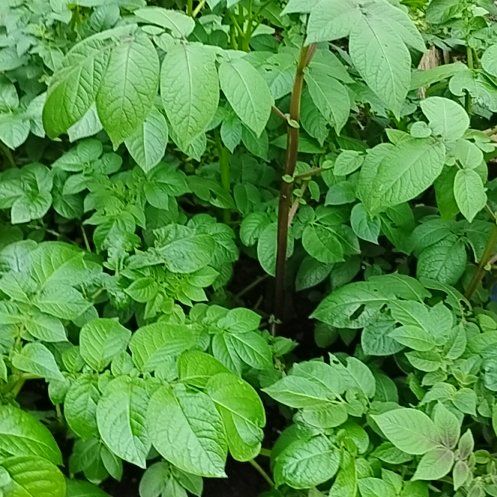
How to Plant a Potato
Plant seed potatoes outside two weeks before your last spring frost, four inches deep and twelve inches apart in loose soil with full sun. Hill the soil up around the stems as they grow. Harvest comes 80 to 120 days after planting, depending on the type.

When and where to plant
Potatoes want full sun, loose soil, and steady moisture. Pick a spot that gets at least six hours of direct light a day. Avoid low ground that holds water after a heavy rain, since standing water rots tubers fast.
Plant two weeks before your last spring frost, once the soil reads 45°F at four inches deep. In zones 8 and warmer, growers also get a second crop in by planting in early fall once daytime highs drop below 80°F.
If your soil is heavy clay, mound it into raised rows six inches high or grow in a container at least 15 gallons. Potatoes form tubers above the seed piece, not below, so depth and looseness both matter. Allow 12 inches between plants and 30 inches between rows.
Planting from seed potatoes
Start with certified seed potatoes from a garden store. Grocery store potatoes are often treated to prevent sprouting and carry a higher risk of soil-borne disease. Pick firm tubers with several eyes and avoid any that are soft, wrinkled, or moldy.
-
1Cut and cure the seed pieces Cut each seed potato into chunks with at least one or two eyes per piece. Let the cuts dry on a paper towel in a cool dark room for two to three days before planting, so the cut faces callus over and resist rot once buried.
-
2Dig your trench or holes Dig a trench four inches deep, or individual holes the same depth, spaced twelve inches apart. Leave 30 inches between rows so you can hill the soil up later as the plants grow.
-
3Place the seed pieces eye-up Set each piece in the trench with the eyes facing up. Eyes are the small bumps where new sprouts emerge. Cover loosely with two inches of soil at first, not the full four, since shallower starting soil warms faster and speeds emergence.
-
4Water in and wait Water the trench until the soil is evenly damp but not pooling. Sprouts appear in two to three weeks once soil temperatures stay above 45°F. Hold off on watering again until you see green shoots break the surface, since wet cold soil before sprouting is the main rot risk.
Transplanting young plants
If you started seed potatoes in pots indoors or bought young transplants from a nursery, the move outdoors is the moment most failures happen. The roots are fragile and the shock of new soil and weather can stall a plant for weeks if you rush it.
-
1Harden off for a week Set the plants outside in shade for two hours on day one, then add an hour each day, reaching direct sun by day five. Skipping this is a common cause of transplant failure, especially for potatoes that started their life indoors under gentle light.
-
2Dig a wider hole than you think Dig a hole about twice as wide as the root ball and just deep enough that the lowest leaves sit at soil level. Loosen the sides of the hole so the new roots can push outward into the native soil.
-
3Slide the plant in gently Tip the pot upside down and tap the rim. The root ball should slide out in one piece. Place it in the hole at the same depth it sat in the pot. Pinch off any flowers so the plant can spend its energy on roots.
-
4Backfill and water deeply Fill in with native soil, press lightly to close air pockets, and water until the soil is wet six inches down. Two inches of straw or shredded leaves on top holds in moisture while roots settle in.
The first month
A newly planted potato spends weeks one through three building roots and pushing up the first shoots. You will not see much above the soil, and the urge to water more often is the most common new-grower mistake. Wait for sprouts before watering again.
Once the plants reach six to eight inches tall, mound soil up around the stems so only the top leaves stick out. This is called hilling. Repeat every two or three weeks until the plant flowers. Tubers form along the buried stem, so every hill adds to your harvest.
Healthy plants are ankle-high by week four with deep green leaves. Yellowing this early usually means too much water, not too little. The goal is for the surface to dry between waterings, with one to two inches of water per week total during dry stretches.
What can go wrong
-
Seed pieces rotting in the ground
Cold, wet soil is the culprit. Temperatures below 45°F slow the seed piece's defenses while letting soil pathogens thrive. Wait until soil at four inches deep reads 45°F or higher before planting, and cure cut pieces for two to three days in a cool dry room first so the cuts callus over. -
Wilting after transplant
Skipping hardening off is the usual cause. The plant went from gentle indoor light straight into wind and direct sun. Set up a shade cloth or umbrella for afternoon shade for three days, water deeply once, and resist the urge to fertilize. Most plants recover within a week. -
No sprouts after three weeks
Soil is still too cold, or the seed piece has rotted. Dig down gently next to where you planted to check. A firm seed piece with no green growth means cold soil. A mushy or black piece has rotted and needs replacing with a fresh seed potato. -
Patchy or uneven emergence
Some seed pieces sprout on schedule while others lag two to three weeks behind. The usual causes are cold pockets in the soil, seed pieces planted at different depths, or mixed quality across the seed potatoes. Wait two more weeks before replacing the slow spots, since deeper-set pieces and secondary eyes often wake up later than the first wave. -
Late frost nipping new shoots
A surprise spring frost arrives after the first shoots break the surface. The tender tops cannot tolerate freezing temperatures and turn black overnight. Mound a few inches of loose soil over visible shoots when frost is forecast. Even if the top growth is killed back, the plant regenerates from buried buds and recovers without major delay. -
Yellow leaves in early summer
Heat stress and inconsistent watering are the main causes, since potatoes are cool-season plants and struggle once daytime temps stay above 85°F. Mulch heavily to keep the soil cool, water deeply once or twice a week to deliver one to two inches per week total, and accept that yields will be smaller in hot summers.
About This Article
