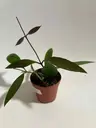
Oxalis cuneata
Taxonomy

Oxalis cuneata
Oxalis
Oxalidaceae
Oxalidales

How to care for Oxalis cuneata
How often to water your Oxalis cuneata

every 9
Oxalis cuneata needs 0.5 cups of water every 9 when it doesn’t get direct sunlight and is potted in a 5" pot.
Use our water calculator to personalize watering recommendations to your environment or download Greg for more advanced recommendations for all of your plants.
Water 0.5 cups every
9
Finding light for Oxalis cuneata in your home

a window
Oxalis cuneata love being close to bright, sunny windows 😎.
Place it less than 1ft from a south-facing window to maximize the potential for growth.
Oxalis cuneata does not tolerate low-light 🚫.
Select your region to see how the current weather in your area affects the placement of Oxalis cuneata in your home 🏡.
How to fertilize Oxalis cuneata

Most potting soils come with ample nutrients which plants use to produce new growth.
By the time your plant has depleted the nutrients in its soil it’s likely grown enough to need a larger pot anyway.
To replenish this plant's nutrients, repot your Oxalis cuneata after it doubles in size or once a year—whichever comes first.
-
Does anyone know what is going on with my shamrock plant? I have it next to a window that gets bright sun through most of the day now that it’s summer. (This is westward facing.) He had needed a grow light this winter, but I’ve turned it off. He’s been in the same pot for over 2 years. I use a water meter when watering. I have not fertilized. #GreenShamrock #Shamrock
-
What’s up with the leaves? Is it sun damage? I genuinely have no clue. No sign of pests and I only ever bottom water it. It is right by an eastern facing window and gets a few hours of morning sun.
-
Hi guys I'm brand new to this app and I got it because I have stopped taking care of my plants and I didn't want to mess with because it is winter for us and I need help to keep them alive so please help me out.
-
Repotting this plant When should they be repot it to a new pot.
-
How do you propagate and when #PurpleShamrocks
-
When is best time to propagate #PurpleShamrocks
-
I need a lot of help with my plant not sure what to do can anyone help me #PurpleShamrocks
-
Is this a good spot? I wanted to know if this is a good spot for my purple shamrocks. I just got her, and I don’t know much about the plant yet (only what I’ve googled today) + she seems a little dramatic. The plant was only $3 so I had to get her! 🤩 The window is west facing but she is behind a sheer curtain :) #HappyPlants #PlantsMakePeopleHappy #PlantAddict #PlantTherapy #NewPlantMom #PlantCorner #FloweringPlants #FalseShamrock #PurpleShamrocks #help
-
Hi. Maybe someone knows, what is wrong with the leaves, of this plant? #PurpleShamrocks
-
OXALIS UPDATE: My darling triangula has been moved outside her blooms are really enjoying the natural light I plan on keeping her out until she stops blooming again #happyplants #oxalis #oxalistriangularis


Care Summary for Oxalis cuneata
Oxalis cuneata
 Greg recommends:
 Water
Water
0.5 cups every 9 days
 Placement
< 1ft from a window
 Nutrients
Repot after 2x growth
Based on the 4” pot your plant is in, and that it doesn’t get direct sunlight.
 Trending in your area
















 Similar to Oxalis cuneata

✨ Discover rare plants

Maroon Pitcher Plant

Variegated Arrowhead …

Hoya pottsii 'Khao Ya…

Royal Flush Split Rock
Rosularia platyphylla

Pseudorphipsalis 'Blu…

Aglaonema 'Green Bowl'

Electric Blue Gecko

Crassula 'Purple Drag…

Lavandula Pedunculata

Rhipsalis clavata

Aglaonema Spitfire

Echeveria Esther

Sedeveria 'Blue Elf'

Scotch Moss

Anastasia Weeping Fig

Anthurium Fingers