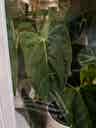
Spiderweb Fatsia
Taxonomy

Fatsia japonica 'Spiderweb'
Fatsia
Araliaceae
Apiales

How to care for Spiderweb Fatsia
How often to water your Spiderweb Fatsia

every 9
Spiderweb Fatsia needs 0.5 cups of water every 9 when it doesn’t get direct sunlight and is potted in a 5" pot.
Use our water calculator to personalize watering recommendations to your environment or download Greg for more advanced recommendations for all of your plants.
Water 0.5 cups every
9
Finding light for Spiderweb Fatsia in your home

a window
Spiderweb Fatsia can tolerate being far from a window and light source.
Place it less than 6 feet from a south-facing window to ensure it receives enough light to survive 💪.
Select your region to see how the current weather in your area affects the placement of Spiderweb Fatsia in your home 🏡.
How to fertilize Spiderweb Fatsia

Most potting soils come with ample nutrients which plants use to produce new growth.
By the time your plant has depleted the nutrients in its soil it’s likely grown enough to need a larger pot anyway.
To replenish this plant's nutrients, repot your Spiderweb Fatsia after it doubles in size or once a year—whichever comes first.
-
What is wrong with her #FatsiaJaponicaSpiderWeb a couple of days after getting he the leaves dropped. I put he in a new pot because the soil was too wet. He hasn’t looked up ever since. #HappyPlants #PlantsMakePeopleHappy #PlantAddict #PlantTherapy #HappyPlants
-
My baby is finally growing after a year. Was dormant all winter. It took 6 months to get roots. I cut a leaf off and now I got 3 leaves coming in #fatsiaplant #freshleaffriday #propagation
-
The leaves are turning brown and with yellow spots and stains. I dont know if its a nutrient deficiency or temperature related. #FatsiaPlant
-
Do the drooping bottom leaves need to be trimmed? #FatsiaPlant
-
i don’t know what happened! I
-
Hello, I don't know what happened to my Fatsia Japonica; thank you in advance for your help 🌱 1. How long have you had the plant? COUNTRY or region? 2 years; South West Germany 2. When was the PROBLEM first noticed? Describe it clearly. During September; I gave the plant fertilizer from April till the end of August and gradually stopped fertilizing during September 3. Anything ABNORMAL seen under/on its leaves/stems/soil? Parts of several leaves have lost their darker green density 4. What type of LIGHT does it get daily? Duration in hours? Indirect light all day long next to a window; same duration as daylight 5. How often do you give it WATER? Approximate quantity? Once a week; enough so water comes out from the drainage; plant doesn't stay with the bottom in the water 6. What kind of SOIL mix is it in? Does its pot have drainage? It is the recommended soil mix for Fatsia Japonica; pot with drainage
-
Please help me with this plant. I over watered about a month ago. Has been repotted with new soil. Why are the leaves wilting? Sam Greenthumbs #FatsiaPlant
-
New plant wondering is this shock the leafs are turning Brown and I've lost three leaves and the new 1 coming in is also brown? #FatsiaPlant
-
Brown patches on some leaves Any ideas very welcome #FatsiaPlant
-
𝔾𝕠𝕥 𝕒 𝕔𝕦𝕥𝕥𝕚𝕟𝕘 𝕗𝕣𝕠𝕞 𝕥𝕙𝕖 𝔽𝕒𝕥𝕤𝕚𝕒 𝕥𝕣𝕖𝕖 𝕠𝕦𝕥𝕤𝕚𝕕𝕖 𝕞𝕪 𝕞𝕠𝕞'𝕤 𝕙𝕠𝕦𝕤𝕖. 𝔻𝕖𝕔𝕚𝕕𝕖𝕕 𝕥𝕠 𝕡𝕣𝕠𝕡𝕒𝕘𝕒𝕥𝕖. 𝕎𝕚𝕤𝕙 𝕞𝕖 𝕝𝕦𝕔𝕜. ℍ𝕖'𝕤 𝕒 𝕓𝕚𝕘 𝕠𝕟𝕖! 𝕋𝕙𝕖 𝕔𝕠𝕝𝕠𝕣𝕤 𝕠𝕟 𝕚𝕥 𝕨𝕠𝕟 𝕞𝕪 𝕙𝕖𝕒𝕣𝕥 #happyplants #fatsiaplant #plantaddict #newgrowth #propagationstation #paperplant #plantsmakepeoplehappy #plantingonabudget


Care Summary for Spiderweb Fatsia
Spiderweb Fatsia
 Greg recommends:
 Water
Water
0.5 cups every 9 days
 Placement
< 6ft from a window
 Nutrients
Repot after 2x growth
Based on the 4” pot your plant is in, and that it doesn’t get direct sunlight.
 Trending in your area











 Similar to Spiderweb Fatsia

✨ Discover rare plants
Skeleton Key Pothos

Lithops

Anthurium 'Fantasy Lo…

Aloe 'Lavender Star'

Blue Moon Wisteria

Christmas Candle
Chinese Evergreen 'Ga…

Aglaonema Spitfire
Linnaei Kunth

Anthurium Fingers

Peperomia 'Harmony's …

Caladium
Hoya crassipetiolata

Hoya pottsii 'Khao Ya…

Philodendron eximium
Philodendron 'Silver …

Scindapsus pictus 'Si…