
Dimorphotheca 'Sea Spray'
Taxonomy

Dimorphotheca jucunda 'Sea Spray'
Dimorphotheca
Asteraceae
Asterales

How to care for Dimorphotheca 'Sea Spray'
How often to water your Dimorphotheca 'Sea Spray'

every 9
Dimorphotheca 'Sea Spray' needs 0.5 cups of water every 9 when it doesn’t get direct sunlight and is potted in a 5" pot.
Use our water calculator to personalize watering recommendations to your environment or download Greg for more advanced recommendations for all of your plants.
Water 0.5 cups every
9
Finding light for Dimorphotheca 'Sea Spray' in your home

a window
Dimorphotheca 'Sea Spray' love being close to bright, sunny windows 😎.
Place it less than 1ft from a south-facing window to maximize the potential for growth.
Dimorphotheca 'Sea Spray' does not tolerate low-light 🚫.
Select your region to see how the current weather in your area affects the placement of Dimorphotheca 'Sea Spray' in your home 🏡.
How to fertilize Dimorphotheca 'Sea Spray'

Most potting soils come with ample nutrients which plants use to produce new growth.
By the time your plant has depleted the nutrients in its soil it’s likely grown enough to need a larger pot anyway.
To replenish this plant's nutrients, repot your Dimorphotheca 'Sea Spray' after it doubles in size or once a year—whichever comes first.
-
Have some yellow leaves inside the plant and flowers seem to wilting. Not sure what I'm doing wrong in here. With moisture meter soil around plant is 6 and very close to the plant is 8.
-
Why is she not flowering? When I purchased her she only had one singular flower but after that one died she didn't produce any
-
How can I propagate my African daisy?
-
New plant


Care Summary for Dimorphotheca 'Sea Spray'
Dimorphotheca 'Sea Spray'
 Greg recommends:
 Water
Water
0.5 cups every 9 days
 Placement
< 1ft from a window
 Nutrients
Repot after 2x growth
Based on the 4” pot your plant is in, and that it doesn’t get direct sunlight.
 Trending in your area












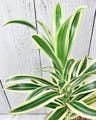
 Similar to Dimorphotheca 'Sea Spray'

✨ Discover rare plants

Maroon Pitcher Plant
Philodendron 'Rio'

Kudu Lily

Hoya fitchii

Bonsai Crassula

Euphorbia baioensis

Kilimanjaro Plant

Large Leaf Elephant B…

Philodendron 'Glorius'

Graptoveria 'Douglas …

Electric Fern

Milky Widow's Thrill

Pseudorphipsalis 'Blu…
Skeleton Key Pothos

Haworthia emelyae com…

Hoya 'Millie'
