
Cucumis rostratus
Taxonomy

Cucumis rostratus
Cucumis
Cucurbitaceae
Cucurbitales

How to care for Cucumis rostratus
How often to water your Cucumis rostratus

every 9
Cucumis rostratus needs 0.5 cups of water every 9 when it doesn’t get direct sunlight and is potted in a 5" pot.
Use our water calculator to personalize watering recommendations to your environment or download Greg for more advanced recommendations for all of your plants.
Water 0.5 cups every
9
Finding light for Cucumis rostratus in your home

a window
Cucumis rostratus love being close to bright, sunny windows 😎.
Place it less than 1ft from a south-facing window to maximize the potential for growth.
Cucumis rostratus does not tolerate low-light 🚫.
Select your region to see how the current weather in your area affects the placement of Cucumis rostratus in your home 🏡.
How to fertilize Cucumis rostratus

Most potting soils come with ample nutrients which plants use to produce new growth.
By the time your plant has depleted the nutrients in its soil it’s likely grown enough to need a larger pot anyway.
To replenish this plant's nutrients, repot your Cucumis rostratus after it doubles in size or once a year—whichever comes first.
-
How do I get rid of these things in my garden?
-
Is my cucumber plant dying? Yesterday it was straight up and now it’s tipping over #Cucumber
-
Does anyone know what’s causing my leaves to do this i’ve lost 4 plants they’ve all started like this and within a week the whole plant is dead #Cucumber
-
Leaves turning yellow #Cucumber
-
I’m growing my cucumbers hydroponically and they are getting big fast! Plant seems healthy overall but I’m a little concerned about some of the discoloration that’s happening with the leaves. Any ideas? #Cucumber
-
Is she getting to much sun ? Or does she need her own plot? ,or should I cut leaf so she can just start new leafing ? #Cucumber
-
I just repotted him yesterday. He was really suffering due to being in too small of a pot. any suggestions on hiw to make him start thriving again? 😭 He does have two tiny cucumbers starting to grow. I trimmed off all the yellow and molded leaves. #Cucumber
-
What is causing his leaves to do this? Do I snip them? #newplantmom #help #helpme #cucumber It's only on the East facing side.
-
He droops sometimes. Why? He has a lot of sun, watered 1-2x per day. Can't repot, attached to house. Literally. His info may be slightly wrong. #Cucumber He's technically 2 plants.
-
I have Elena and another plant that is supposed to look like Zeus (big cucumber) but they got attacked by birds when they were small. How do I show them love and them not die #plantsmakepeoplehappy #cucumber #unhappyplants They're currently in solo cups with potting soil. Transplanted today from shot glasses.


Care Summary for Cucumis rostratus
Cucumis rostratus
 Greg recommends:
 Water
Water
0.5 cups every 9 days
 Placement
< 1ft from a window
 Nutrients
Repot after 2x growth
Based on the 4” pot your plant is in, and that it doesn’t get direct sunlight.
 Trending in your area







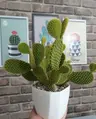






 Similar to Cucumis rostratus
✨ Discover rare plants

Philodendron 'Glorius'

Christmas Candle

Chandelier Plant

Croton Nervia

Philodendron eximium

Black Monkey Thorn Tr…

Milky Widow's Thrill

Miss All-American Bea…

Radiator Plant

Hoya 'Millie'

Begonia hydrocotylifo…

Lithops

Red Mistletoe Cactus

Betel

Sedum 'White Diamond'

Euphorbia baioensis
