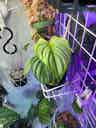
Chamaedorea brachyclada
Taxonomy

Chamaedorea brachyclada
Chamaedorea
Arecaceae
Arecales

How to care for Chamaedorea brachyclada
How often to water your Chamaedorea brachyclada

every 12
Chamaedorea brachyclada needs 0.5 cups of water every 12 when it doesn’t get direct sunlight and is potted in a 5" pot.
Use our water calculator to personalize watering recommendations to your environment or download Greg for more advanced recommendations for all of your plants.
Water 0.5 cups every
12
Finding light for Chamaedorea brachyclada in your home

a window
Chamaedorea brachyclada may have difficulty thriving, and will drop leaves 🍃, without ample sunlight.
Place it less than 3 feet from a south-facing window to maximize the potential for growth.
Select your region to see how the current weather in your area affects the placement of Chamaedorea brachyclada in your home 🏡.
How to fertilize Chamaedorea brachyclada

Most potting soils come with ample nutrients which plants use to produce new growth.
By the time your plant has depleted the nutrients in its soil it’s likely grown enough to need a larger pot anyway.
To replenish this plant's nutrients, repot your Chamaedorea brachyclada after it doubles in size or once a year—whichever comes first.
-
Got forcefully depotted by a cat twice, but is now safe. I see a lot of stems that look like they’re in the process of dying, but also see healthy looking newer stems. Any concern?
-
How do I help this guy?!! I believe he has spider mites and just looks awful. Can he be saved?!
-
My poor palm is not doing well. I need suggestions please. #ParlourPalm
-
Why is my plant so droopy? Hello everyone, me again! I’m wondering if anyone has any ideas on how to help my Parlour Palm. It has been so healthy, but now it’s drooping so far it’s hitting the shelf. I put a rubber band around it so there wasn’t so much pressure on the stalks, but it’s still not happy. I’ve also noticed that the leaves are dry & fragile, not sure if that helps? If you have any questions feel free to ask. And any suggestions or tips will be greatly appreciated! Thank you! 😄🪴
-
The tips of my cat palm are turning brown. What am I doing wrong. #CatPalm
-
What’s happening with my plant. Delivered during ice storm but did have warmers in the delivery boxes. #ParlourPalm
-
Help! New plant but already seems to be dying. A week ago we thought we over watered it because leaves were getting brown and a few were feeling dried out. We stopped watering for a week and now almost all the leaves dried out and many are turning brown. If I put my finger an inch into the soil it does feel slightly damp. What are we doing wrong?!? Thanks in advance.
-
Pot Recommendations? Hey friends! It’s been a while and I feel like I’m finally getting the hang of this little guy. I noticed that when I water him, the water immediately drains out of the pot. Is this normal for this plant? Also, I have him in a 5” plastic pot which I know isn’t the best choice, but should I repot immediately or wait until spring? #ParlourPalm
-
New Plant Owner, Seeing Issues Hey guys, New bamboo Palm owner here. This is the first time I am really trying to keep this plant alive and well. Noticed these black tips and wilted leaves a couple days into this plant arriving. Leaves started out soft and dark then turned more crispy as days passed. Unaware if the issue is mites, over/under watering, sunlight issues, or something else. Any information would be incredibly helpful, thank you. For reference I water the palm about once every 1.5-2 weeks, about 2.5 cups. It’s about 5 feet from a window getting indirect sunlight. I know it’s far but the shades I have reflect the light against the tree. My pot is not self draining.
-
What’s the best way to revive this very dry plant? #ParlourPalm


Care Summary for Chamaedorea brachyclada
Chamaedorea brachyclada
 Greg recommends:
 Water
Water
0.5 cups every 12 days
 Placement
< 3ft from a window
 Nutrients
Repot after 2x growth
Based on the 4” pot your plant is in, and that it doesn’t get direct sunlight.
 Trending in your area






 Similar to Chamaedorea brachyclada
✨ Discover rare plants

Scindapsus pictus 'Si…

Croton Nervia

Aeonium 'Blushing Bea…

Electric Fern

Begonia hydrocotylifo…

Echeveria Arrow

Black Monkey Thorn Tr…
Carolina Reaper

Tillandsia caerulea A…
Graptopetalum 'Marqui…

Royal Flush Split Rock

Starfish Snake Plant
White Apple Moth Orch…

Philodendron 'Glorius'

Munstead Lavender

Milky Widow's Thrill

Begonia lubbersii