


Hollyhock

4.5 out of 5 (2 experiences)
 Survivor
 Large, lush leaves
Also known as
Common hollyhock
Taxonomy

Alcea rosea
Alcea
Malvaceae
Malvales

How to care for Hollyhock
How often to water your Hollyhock

every 9
Hollyhock needs 0.5 cups of water every 9 when it doesn’t get direct sunlight and is potted in a 5" pot.
Use our water calculator to personalize watering recommendations to your environment or download Greg for more advanced recommendations for all of your plants.

Water 0.5 cups every
9
Finding light for Hollyhock in your home

a window
Hollyhock love being close to bright, sunny windows 😎.
Place it less than 1ft from a south-facing window to maximize the potential for growth.
Hollyhock does not tolerate low-light 🚫.
Select your region to see how the current weather in your area affects the placement of Hollyhock in your home 🏡.
How to fertilize Hollyhock

Most potting soils come with ample nutrients which plants use to produce new growth.
By the time your plant has depleted the nutrients in its soil it’s likely grown enough to need a larger pot anyway.
To replenish this plant's nutrients, repot your Hollyhock after it doubles in size or once a year—whichever comes first.
-
Can you propagate this plant #Hollyhock
-
#Hollyhock #HappyPlants #PlantsMakePeopleHappy #earlyblooms #PlantAddict #NewGrowth my granddaughter spread Hollycock seeds in my courtyard. We’ve been regenerating these plants from seeds every year for 8 years. It’s so amazing and I have early blooms!!! I can’t wait until the circle is full of pink flowers. Hopefully they don’t overtake my marigolds and petunias
-
Are hollyhock safe for dogs #Hollyhock
-
After planting the seeds THREE YEARS ago, my hollyhock finally bloomed. 🤩 #SpringIntoSummer #Hollyhock #HappyPlants #PlantsMakePeopleHappy #PlantAddict #NewGrowth


Care Summary for Hollyhock

Hollyhock
 Greg recommends:
 Water
Water
0.5 cups every 9 days
 Placement
< 1ft from a window
 Nutrients
Repot after 2x growth
Based on the 4” pot your plant is in, and that it doesn’t get direct sunlight.
What other plant parents say
Survivor 2
Large, lush leaves 1
 Pest magnet 1
 Browns easily 1
 Fast grower 1


 06/19/2021
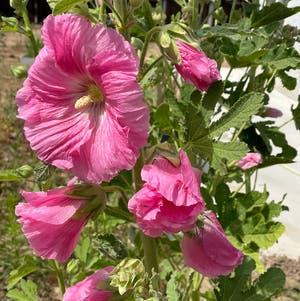
This takes between 2-3 years from seed to flower. Will grow wide before tall. Can survive high temperatures of heat and cold winters. Mine is in 9b lows of 30° and highs 115°+ temps.
Flowers are vibrant and beautiful.
Survivor


 06/12/2021
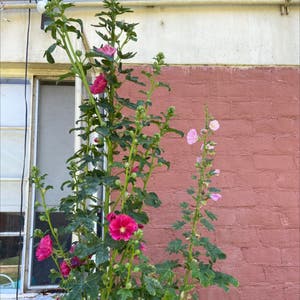
It only grows fast when it has direct sunlight
Large, lush leaves
Survivor
Pest magnet
Browns easily
Fast grower
 Trending in your area
















 Similar to Hollyhock
✨ Discover rare plants

Lavandula Pedunculata
Philodendron 'Gabby'

Ceropegia simoneae

Caladium

Betel

Royal Flush Split Rock

Rhipsalis clavata

Graptoveria 'Douglas …

Chandelier Plant

Begonia lubbersii

Pink Ruby Sedevaria

Fagraea ceilanica

Christmas Candle

Large Leaf Elephant B…

Aglaonema 'Green Bowl'

Parrot Pitcher Plant
