


Periwinkles
Taxonomy

Vinca spp.
Vinca
Apocynaceae
Gentianales

How to care for Periwinkles
How often to water your Periwinkles

every 9
Periwinkles needs 0.5 cups of water every 9 when it doesn’t get direct sunlight and is potted in a 5" pot.
Use our water calculator to personalize watering recommendations to your environment or download Greg for more advanced recommendations for all of your plants.

Water 0.5 cups every
9
Finding light for Periwinkles in your home

a window
Periwinkles may have difficulty thriving, and will drop leaves 🍃, without ample sunlight.
Place it less than 3 feet from a south-facing window to maximize the potential for growth.
Select your region to see how the current weather in your area affects the placement of Periwinkles in your home 🏡.
How to fertilize Periwinkles

Most potting soils come with ample nutrients which plants use to produce new growth.
By the time your plant has depleted the nutrients in its soil it’s likely grown enough to need a larger pot anyway.
To replenish this plant's nutrients, repot your Periwinkles after it doubles in size or once a year—whichever comes first.
-
Outdoor plants indoors? So I got this beautiful variegated Vinca Maculata at a local greenhouse yesterday and I want it to be an indoor plant. I’ve searched everywhere online and no one seems to have this as an indoor plant! Why is this?
-
Help me please!!!! #Vinca so, I keep getting these spots over my plant. It spreads but great growth is coming out the plant growing long still. What should I do or what’s wrong? Repot maybe??
-
How long does it grow? #Vinca
-
“My stems are long and lanky,” says Spooky. “Would a hair (stem) cut hurt me?” #Vinca
-
I found my girl Moonstone nosing through Vine! I think my cat was trying to say, "Uh, I think you overwatered it. There's some extra water in the tray." I mean, she's right 😆 What's your best #petsandplants pictures you got this week? 📷 🐈⬛️ 🐕 #happyplants #plantsmakepeoplehappy #plantaddict #planttherapy #plantcorner #plantlove #iloveplants #newgrowth #planttlc #greggang #adhdplantlovers
-
What kind of bug is that? I just noticed it and I don't see any others so far
-
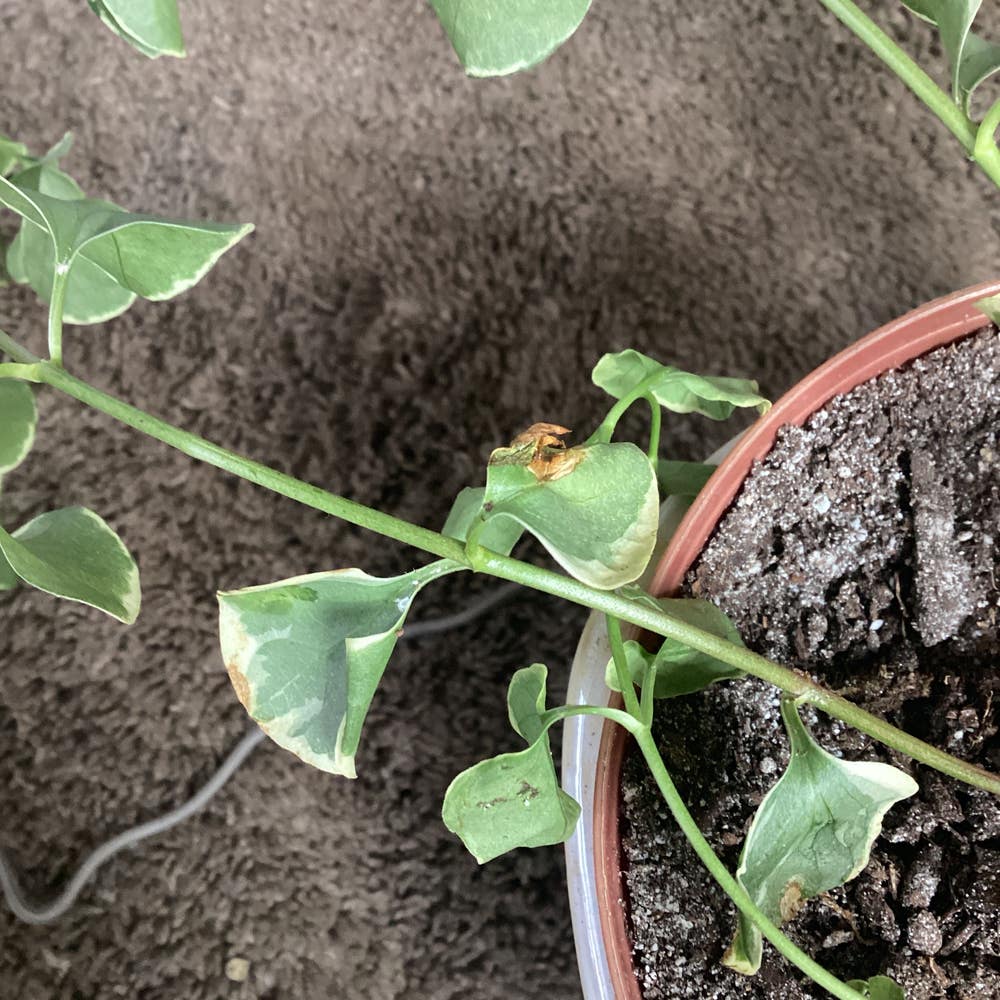
Not sure why this is happening, please help ! #helpneeded
-
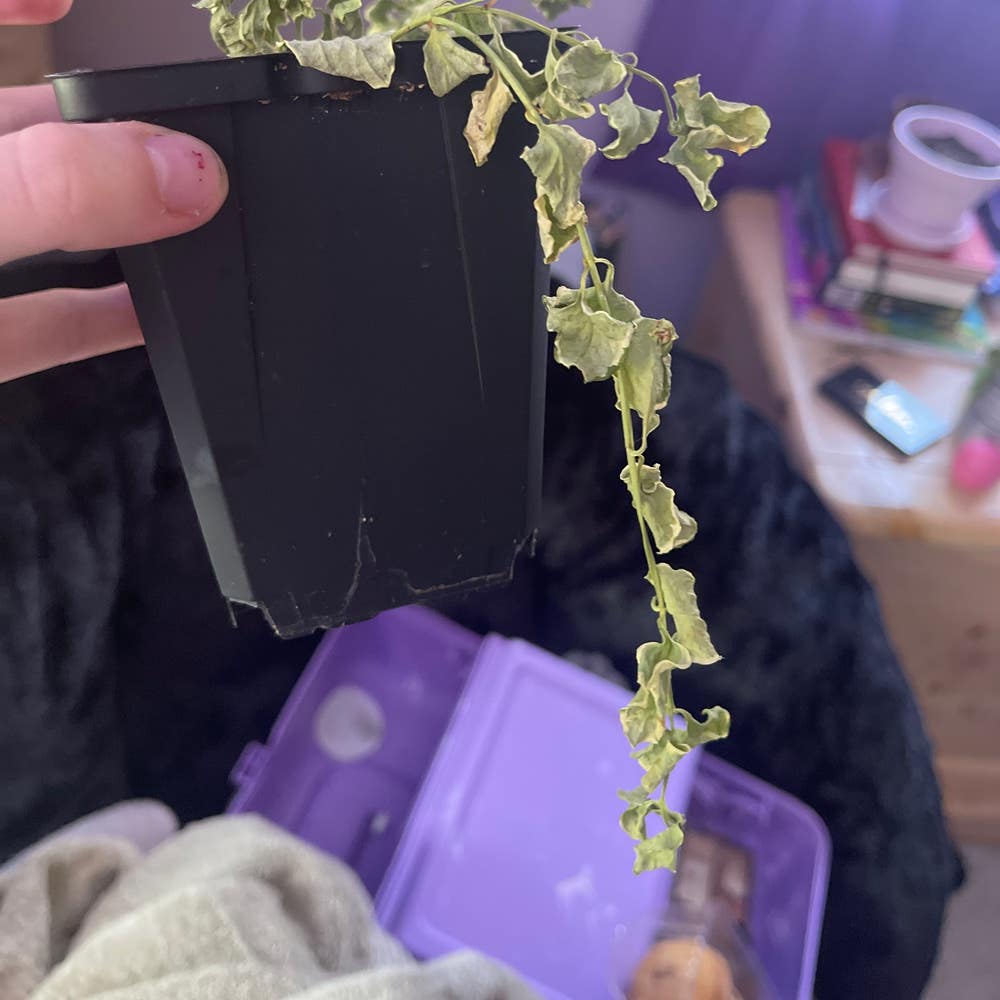
HELP I was gone for the week and didn’t get to water my plants. The rest of them look good but this one is dried up and I don’t know how to fix it.
-
I was walking our 🐕 and noticed the Periwinkle’s peeking out from under the snow. I clipped some and will propagate them. The flowers are very pretty! #PropagationStation
-
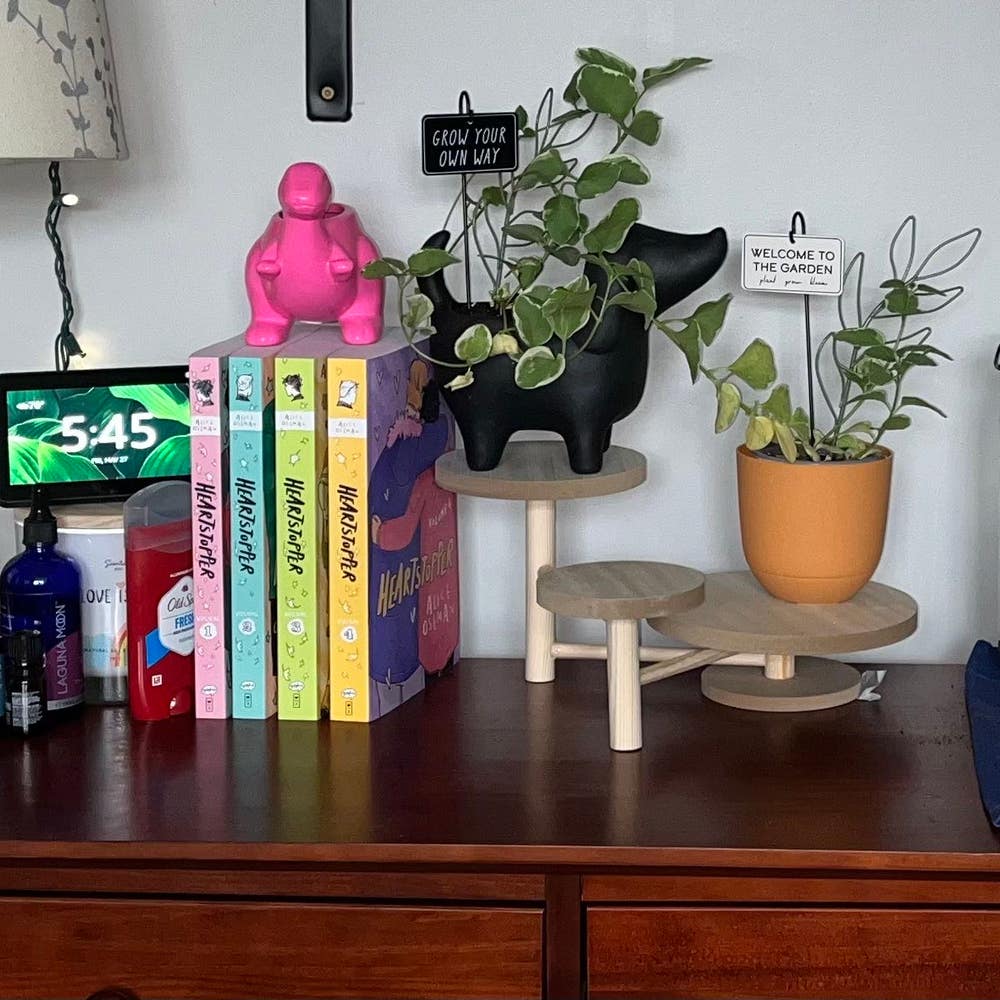
For #SpringIntoSummer today I want to show you all one of my favorite parts of my room. My vinca vine, with my Heartstopper books and one of my dino planters to the left, and my coffee maker to the right. All of my favorite things :) #PlantsMakePeopleHappy #HappyPlants #VincaVineVariegated #planters #PlantAddict #PlantShelfie


Care Summary for Periwinkles

Periwinkles
 Greg recommends:
 Water
Water
0.5 cups every 9 days
 Placement
< 3ft from a window
 Nutrients
Repot after 2x growth
Based on the 4” pot your plant is in, and that it doesn’t get direct sunlight.
 Trending in your area











 Similar to Periwinkles
✨ Discover rare plants

Croton Nervia

Euphorbia baioensis
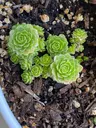
Rosularia platyphylla
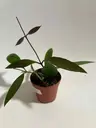
Hoya 'Memoria'

Lithops

Hoya pottsii 'Khao Ya…

Kudu Lily

Large Leaf Elephant B…

Anthurium 'Fantasy Lo…

Anthurium Fingers

Variegated Arrowhead …

Starfish Snake Plant

Picasso's Paintbrush

Philodendron eximium

Milky Widow's Thrill

Hoya 'Millie'

Munstead Lavender
