🎆 Mexican Firecracker Fertilizer: How and When to Use It
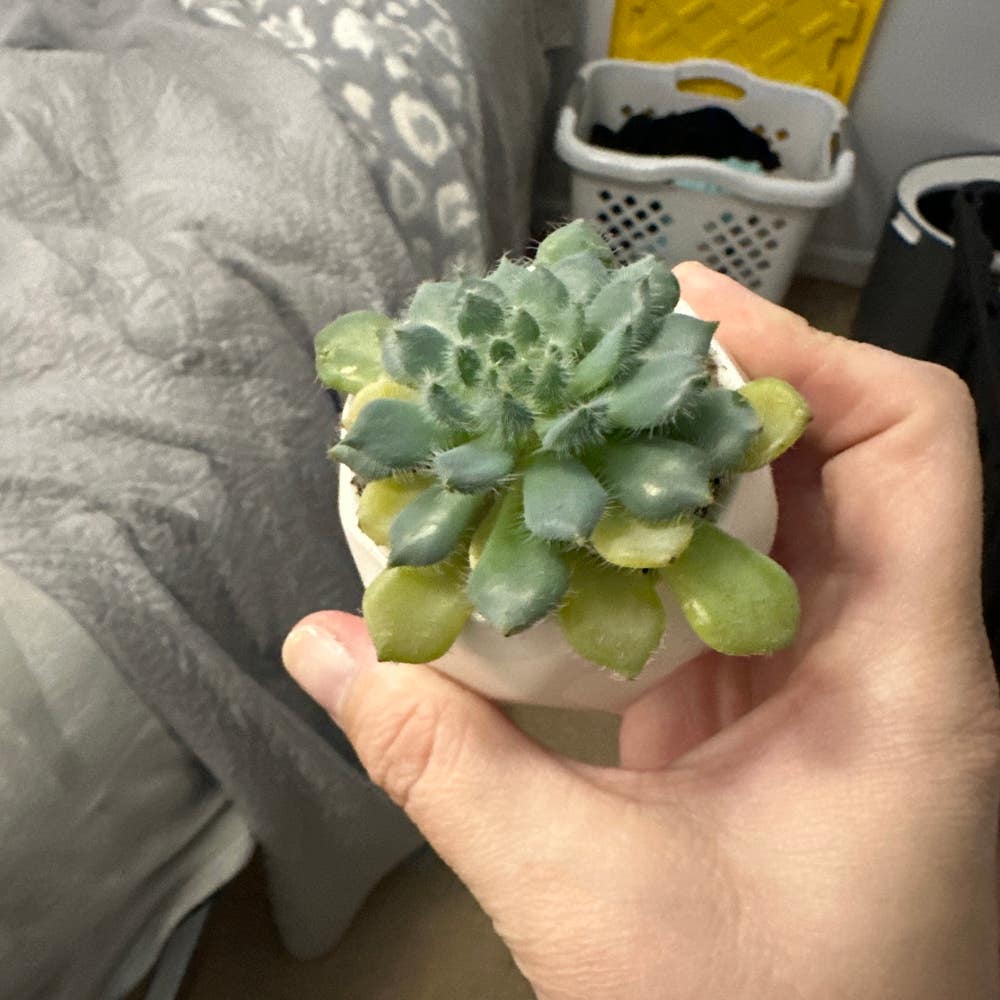
Echeveria setosa
By the Greg Editorial Team
Jun 15, 2024•5 min read
This article was created with the help of AI so we can cover more plants for you. May contain errors. See one? Report it here.
Spark a vibrant bloom in your Mexican Firecracker 🎇 with the right fertilizer know-how!
- Organic vs. Synthetic: Choose based on soil health or nutrient surge needs.
- N-P-K Ratio Matters: Tailor for foliage, blooms, and plant strength.
- Seasonal Fertilizing: More in spring/summer, less in fall/winter.
Picking the Perfect Fertilizer for Your Mexican Firecracker
💡 Organic vs. Synthetic: Which Suits Your Firecracker Best?
In the quest for the perfect fertilizer, you're faced with the organic versus synthetic conundrum. Organic options, like compost or bone meal, are the tortoises of the race—slow and steady. They release nutrients at a leisurely pace, minimizing the risk of an overdose. Plus, they're like a spa treatment for your soil, enhancing its structure. Synthetic fertilizers, on the other hand, are the hares, offering a rapid nutrient surge with precise N-P-K ratios. They're the quick fix your firecracker might crave, but they won't win any awards for soil health.
💡 Decoding NPK: The Numbers Game for a Fiery Bloom
Now, let's talk N-P-K, the holy trinity of plant nutrition. Nitrogen (N) is your foliage's best friend, phosphorus (P) is the wingman for those blooms, and potassium (K) keeps the stems and immune system robust. A balanced fertilizer is like a well-rounded diet for your plant—too much of one thing and you'll see more leaves than fireworks. Aim for a balanced meal, not a buffet, and watch your Mexican Firecracker thrive.
💡 Slow-Release or Liquid Fertilizers: Timing the Nutrient Hit
Choosing between slow-release and liquid fertilizers is like deciding between a savings account and a spending spree. Slow-release fertilizers are the gift that keeps on giving, doling out nutrients over time. They're the set-it-and-forget-it of plant care. Liquid fertilizers, conversely, are the instant gratification of the garden world—quick to act, but fleeting. They require more frequent applications but allow for immediate intervention if your plant looks like it's losing its spark.

Timing is Everything: When to Fertilize for Optimal Blooms
🌱 Reading the Seasons: Adjusting Your Fertilization Schedule
In the dance of the seasons, your Mexican Firecracker has its own rhythm. Spring beckons with a green thumbs-up for fertilization, as new growth unfurls. Summer keeps the momentum, demanding more frequent feedings to support those fiery blooms. Come fall, it's time to dial back; your plant's gearing down. And winter? That's the plant's cue for a well-deserved rest. Less is more when the chill sets in.
🔄 Growth and Dormancy: Syncing Fertilization with Your Plant's Life Cycle
Align your fertilizing finesse with the life cycle of your Mexican Firecracker. During the growth phase, it's all systems go. Think of fertilizer as the plant's personal trainer, bulking up those blooms. But when the growth tapers off, it's time to ease up on the feeding frenzy. Dormancy isn't laziness; it's recovery mode. Your plant's saving up energy for the next season's spectacle. Keep an eye out for those cues—overdoing it in the downtime is like waking a hibernating bear. Not cool.

Fertilizing Techniques: How to Feed Your Firecracker
💧 Top-Dressing vs. Liquid Feeding: Pros and Cons
Top-dressing involves sprinkling solid fertilizer around the plant, a method that slowly releases nutrients. It's a set-it-and-forget-it approach, ideal for the gardener who might not keep a strict schedule. However, it's a bit of a gamble, as release rates can be as unpredictable as a weather forecast.
Liquid feeding, on the flip side, offers immediate gratification for your firecracker plant, delivering a quick nutrient fix. It's like an espresso shot for your green buddy, but measuring the exact dose requires the precision of a barista. Overdo it, and you're in for a nutrient burn faster than a sunburn at a nudist beach.
📏 Measuring Up: How Much and How Often?
When it comes to how much, think of fertilizer as your plant's diet plan—balance is key. Stick to the script on the fertilizer package; it's the nutritional label for your plant's meal.
And how often? Regularity is the name of the game. Consistent, scheduled feedings will have your firecracker blooming like it's the Fourth of July. But remember, less is more. Overfeeding is the equivalent of dumping the entire bottle of hot sauce onto your taco—a surefire way to ruin a good thing.

Spotting Trouble: Over-Fertilization and How to Fix It
🚨 Telltale Signs Your Plant is Overfed
Yellowing leaves, browning tips, and a sad, wilted look despite damp soil—these are the cries for help from your Mexican Firecracker. White crust on the soil's surface? That's the equivalent of a neon sign flashing "Too Much Fertilizer!" And if the roots resemble leftovers from a bonfire, it's time to admit you might have been a bit too generous with the nutrients.
🛠 Quick Fixes for a Fertilizer Fiasco
Caught in the act of over-fertilization? Don't panic—it's fixable. Start by stripping away the visible fertilizer from the soil's surface. Next, give your plant a thorough watering to flush out the excess—think of it as a detox spa for your green buddy. Snip off the damaged leaves; they're not coming back. If you're dealing with a potted plant, consider repotting with fresh, nutrient-free soil. Hold off on the fertilizer for a few weeks; let your plant recover from its nutrient hangover first.
Fertilization Faux Pas: Common Mistakes to Avoid
🌱 Overzealous Feeding: Why More Isn't Always Better
In the realm of Mexican Firecracker care, over-fertilization is a common blunder. It's tempting to think that more food equals more flowers, but this isn't an all-you-can-eat buffet. Overdoing it can lead to root burn, a condition where the plant's roots are damaged by excess salts from fertilizer, leading to poor growth and even death.
🍃 Misreading the Leaves: Misdiagnosing Nutrient Needs
Leaves are like a plant's mood ring, changing color to reflect its health. Yellowing or browning can signal distress, but don't jump to conclusions. It's not always a cry for more nutrients. Sometimes, it's a sign of overfeeding or other stress factors like improper watering or lighting. Before you reach for the fertilizer, ensure you're not misinterpreting your plant's signals.
⚠️ Safety First
This content is for general information and may contain errors, omissions, or outdated details. It is not medical, veterinary advice, or an endorsement of therapeutic claims.
Always consult a qualified healthcare professional before using any plant as food, medicine, or supplement.
Never eat any plant (or feed one to pets) without confirming its identity with at least two trusted sources.
If you suspect poisoning, call Poison Control (800) 222-1222, the Pet Poison Helpline (800) 213-6680, or your local emergency service immediately.
Spotted an error? Please report it here.
Nurture your Mexican Firecracker to vibrant health by mastering fertilization 🌱 with Greg's tailored care schedule and expert community advice.