Why Are My Long-Stalked Phyllanthus Leaves Droopy?
Phyllanthus tenellus
By the Greg Editorial Team
Feb 10, 2024•5 min read
This article was created with the help of AI so we can cover more plants for you. May contain errors. See one? Report it here.
Turn droopy Phyllanthus leaves 🍃 into lush foliage with these vital plant care secrets!
- Droopy leaves signal distress, often due to water, light, or nutrient issues.
- Balance water and light; avoid over/underwatering and too much direct sun.
- Combat pests and diseases with humidity, insecticidal soap, and good air circulation.
Spotting the Trouble: Signs of Droopy Leaves
🚩 Visual cues of distress
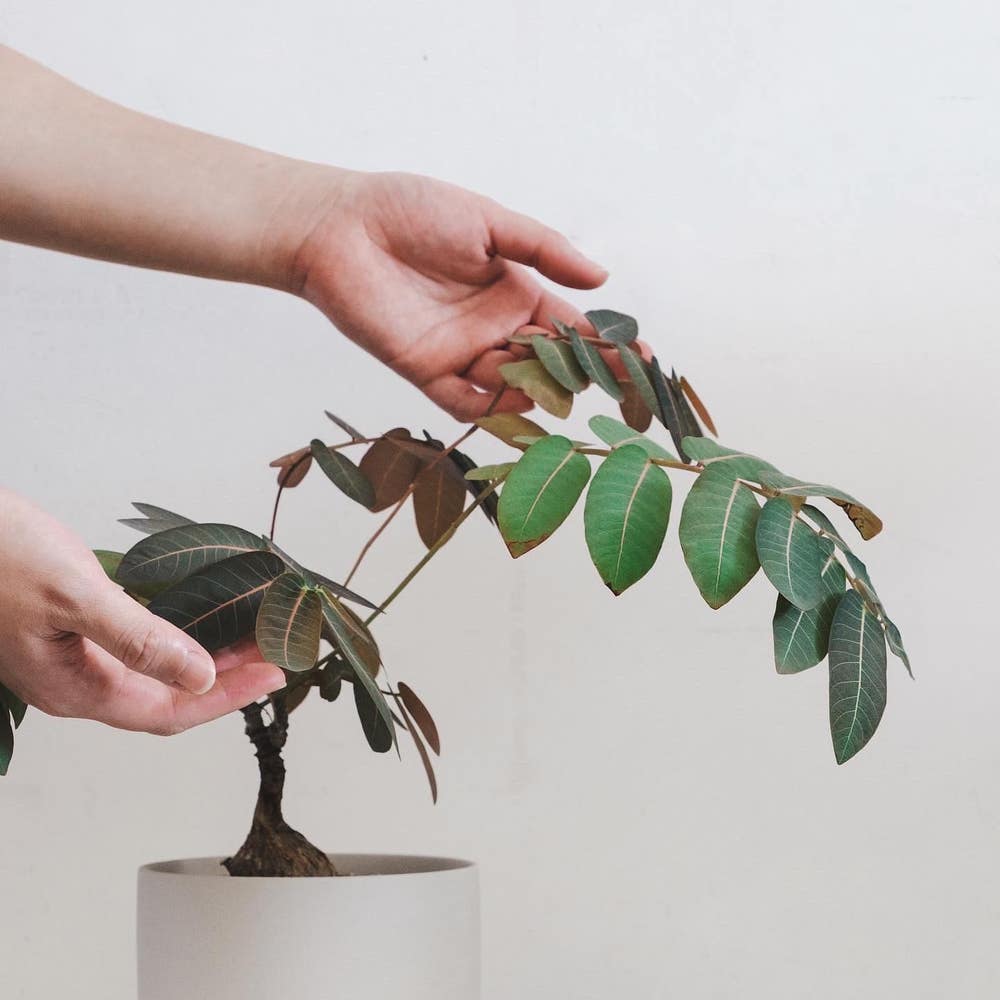
Discoloration and wilting are your Long-Stalked Phyllanthus waving a white flag. Leaves that hang like limp noodles are not just having a bad day; they're in distress. A vibrant green turning to a dull yellow is the plant's version of a cry for help. If the leaves have the enthusiasm of a deflated balloon, it's time to perk up your plant care game.
How droopy leaves affect your plant's mojo
Droopy leaves can zap the vigor out of your plant. It's not just a cosmetic issue; it's a sign that your plant's health is on the rocks. When leaves lose their perkiness, it's a signal that your Phyllanthus is missing something crucial, be it water, light, or nutrients. Ignoring these signs is like neglecting a thirst for water on a scorching day – it won't end well. Keep your plant's mojo in check by addressing droopy leaves promptly.
The Usual Suspects: Pinpointing the Cause
💧 Too Much Love: The Overwatering Problem
Yellowing leaves and a mushy stem scream overwatering. It's like drowning your plant in misplaced affection. Cut back on the H2O, and let the soil dry to the touch before the next watering. Ensure drainage holes are clear; they're the lifeline for excess water to escape.
🏜️ Thirsty Roots: When Underwatering Strikes
Underwatering leaves plants looking as dehydrated as a marathon runner without a water station. Leaves turn dry and crispy. Don't wait for your plant to beg; water when the topsoil feels dry. But remember, moderation is key—think refreshing drink, not a flood.
🌞 Feeling the Heat: Light and Temperature Stress
Too much sun can have your plant wilting like it's in a desert. Light stress shows in droopy, discolored leaves. Strike a balance between sun and shade; your plant doesn't need a tan. Keep temperatures consistent to avoid sending your plant into shock.
🍃 Choked Up: Soil and Drainage Issues
Compacted soil is like tight jeans after a big meal—uncomfortable and restrictive. Mix in perlite or sand to loosen things up and give roots room to breathe. Good drainage is non-negotiable; it's the difference between a plant spa and a swamp.
Feeding Frenzy: Nutrient Needs and Deficiencies
💛 The tell-tale signs of a hungry plant
Yellowing leaves are the classic distress signal; they're practically waving a flag that says, "Feed me!" Stunted growth is another red flag, hinting at a nutrient deficit. If your plant's leaves are smaller than usual or the growth seems to have hit the brakes, it's time to consider a nutritional intervention.
🥦 Serving up a balanced diet to avoid leafy lethargy
Balance is the name of the game when it comes to plant nutrition. A well-rounded diet is crucial—think of it as meal prepping for your green pals. Overfeeding is just as bad as underfeeding; it's like dumping a whole salt shaker on your dinner. Stick to a fertilizer that's tailored to your plant's specific needs, and always follow the instructions. If you're unsure, a soil test can be your guide to what's missing in the nutrient department.
Bug Off: Pests and Diseases That Drag Down Leaves
🐛 Identifying the creepy crawlies and crud causing droop
Spider mites are the invisible vandals, leaving behind a trail of speckled leaves and fine webs. These tiny terrors thrive in dry conditions, so increasing humidity can be a game-changer. Mealybugs, those fluffy white menaces, suck the life out of your plant, excreting a sticky substance known as honeydew. A cotton swab dipped in rubbing alcohol can be a precise weapon against them.
Aphids, the sap-sucking scoundrels, can deform leaves and spread like wildfire. A strong blast of water or insecticidal soap can send them packing. Don't overlook the undersides of leaves, where these pests love to hide and throw their covert parties.
🦠 Nipping pests and pathogens in the bud
Fungal foes like powdery mildew and leaf spot are the silent but deadly types, thriving in moist, stagnant air. Improve circulation and keep foliage dry to spoil their fun. If you spot signs of infection, act fast—remove affected areas and consider a fungicide, but always opt for the safe, registered kind.
Regular plant check-ups are your best defense. Catching pests early means you can avoid the nuclear option and stick to more plant-friendly tactics. Encourage natural predators like ladybugs and lacewings to move in; they're not just pretty faces but also voracious pest eaters.
Remember, a clean plant is a happy plant. Keep debris cleared and give your green buddy the occasional shower to wash away any potential party crashers. When it comes to pests and diseases, the best offense is a good defense.
Bouncing Back: Reviving Droopy Leaves
💧 Fine-Tuning Watering Habits
Watering—get it right, or watch your Long-Stalked Phyllanthus sulk. Check the soil before each watering; if the top inch feels like a dry martini, it's time for a drink. If it's damp, hold off—your plant isn't a fish. Room-temp water is the Goldilocks zone—no cold shocks here. And remember, water at the base like you're watering a delicate orchid, not hosing down a dirty truck.
🌞 Light and Temperature Tweaks
Your plant craves that bright, indirect light—think of it as its personal spotlight. Too much sun, and you're cooking the leaves; too little, and it's living in the shadows. Keep the temperature steady—no plant likes to shiver or sweat. A gentle breeze? Sure, it's like a mini fan on a summer day. But avoid drafts like you'd avoid the flu.
🌱 Soil and Supper: Upgrading the Foundation and Feeding
Soil is the unsung hero—repot with a mix that's the life of the party: fluffy, aerated, and nutrient-rich. It's like moving from a cramped studio to a penthouse. Fertilizer is the spice of life, but don't over-season. Observe and adjust—your plant's response will guide you. It's a dance, and you're leading.
⚠️ Safety First
This content is for general information and may contain errors, omissions, or outdated details. It is not medical, veterinary advice, or an endorsement of therapeutic claims.
Always consult a qualified healthcare professional before using any plant as food, medicine, or supplement.
Never eat any plant (or feed one to pets) without confirming its identity with at least two trusted sources.
If you suspect poisoning, call Poison Control (800) 222-1222, the Pet Poison Helpline (800) 213-6680, or your local emergency service immediately.
Spotted an error? Please report it here.
Ensure your Long-Stalked Phyllanthus stays hydrated and happy 💧 with Greg's tailored watering reminders, informed by insights from this care guide.