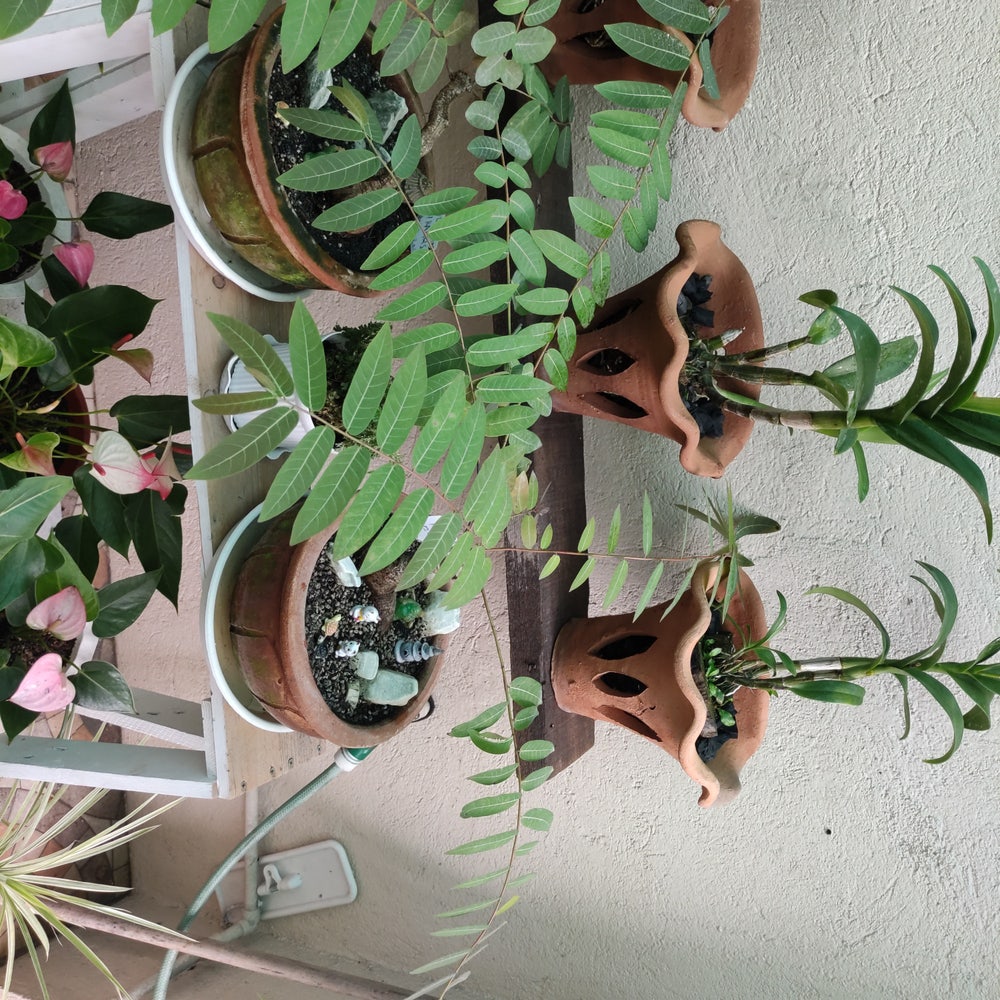
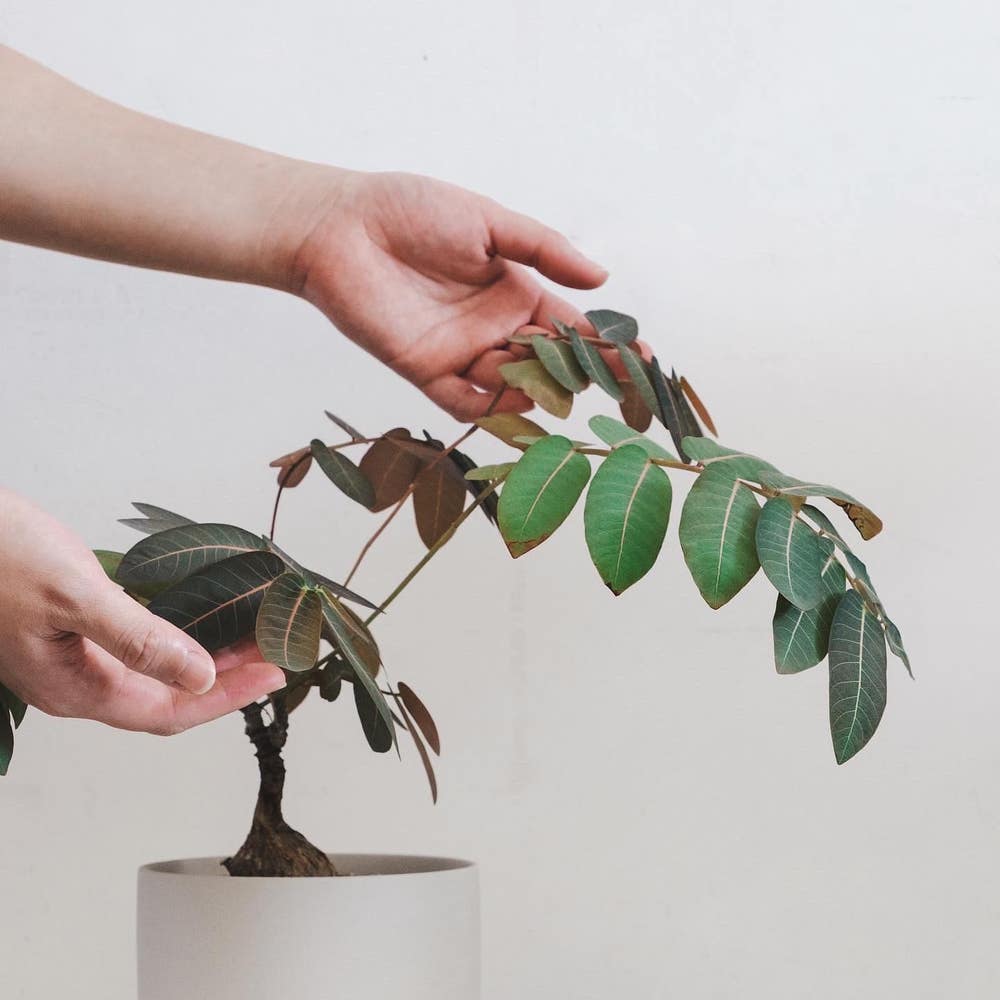
🐛 What To Do About Bugs on My Long-Stalked Phyllanthus?
Phyllanthus tenellus
By the Greg Editorial Team
Feb 10, 2024•6 min read
This article was created with the help of AI so we can cover more plants for you. May contain errors. See one? Report it here.
Banish bugs 🐛 and protect your Long-Stalked Phyllanthus with expert pest-fighting tips! 🌿
- 🐛 Identify pests early with signs like yellowing leaves, webbing, and sticky residue.
- Combat common bugs like spider mites, scale, gnats, and mealybugs with neem oil.
- Prevent infestations by quarantining new plants and maintaining a clean environment.
Spotting the Invaders: Early Signs of Pest Infestation
🚨 Telltale Trouble: Spotting the First Signs of Bugs
Yellowing leaves might not just signal overwatering; they could be waving a white flag at pests. Webbing on your Long-Stalked Phyllanthus is a red alert for spider mites, not a new interior design trend. If you're seeing sticky residue or bumps on stems, you've got uninvited guests. And those brown spots? They're not beauty marks; they're SOS signals.
🕵️♂️ The Usual Suspects: A Quick Peek at the Pests We'll Be Discussing
Spider mites are the ninjas of the pest world, sneaky and hard to spot until their webs give them away. Scale insects are like that freeloader friend who crashes on your couch and won't leave. Fungus gnats and fruit flies turn your soil into their personal Airbnb. Mealybugs? They're the fluffy fiends leaving a cottony mess. And let's not forget the aphids, whiteflies, and thrips—the trio of trouble that can turn your plant paradise into a nightmare.
Spider Mites: The Sneaky Sap-Suckers
🕷️ Spotting the Web of Woes: Identifying Spider Mite Infestations
Tiny webs on your Long-Stalked Phyllanthus are a dead giveaway. Look for speckled leaves and a splotchy yellow hue; these are the battle scars from a spider mite invasion. These critters are like the ninjas of the pest world, often going unnoticed until they've done considerable damage.
🛡️ Fight Back with These Remedies: From Neem Oil to Humidity Hikes
Neem oil is your plant's knight in shining armor against these sap-sucking villains. Mix it with a mild soap for a potent potion and wipe down every leaf, stem, and stalk. Humidity is another weapon in your arsenal; spider mites hate it like cats hate water. Increase moisture levels around your plant to make them think twice about setting up camp.
💡 Prevention Playbook: Keeping Spider Mites at Bay
Consistency is key in the prevention game. Wipe those leaves regularly to disrupt any potential spider mite shindigs. Keep the air around your plant moist and breezy; it's like setting up a no-fly zone against these airborne adversaries. And remember, a stressed plant is a target; keep your Long-Stalked Phyllanthus hydrated and happy to avoid sending out the spider mite bat signal.
Scale: The Sticky Freeloaders
🐞 Bumps and Lumps: Spotting Scale Insects
Scale insects are masters of disguise, often resembling mere bumps on your Long-Stalked Phyllanthus. These pests, armored in waxy shells, can be brown, white, or black. Look for yellowing leaves or a sticky substance known as honeydew, which is a clear sign of their freeloading ways.
🚪 Eviction Notice: Effective Treatments
To show scale insects the door, start with a soft brush or cloth to gently remove them. For the more tenacious scales, dabbing with a cotton swab soaked in rubbing alcohol can break through their defenses. Insecticidal soaps or horticultural oils can also be effective, especially when applied diligently over time.
🛡️ Proactive Plant Care: Preventing Scale
Prevention is the best defense. Regularly inspect your plant for early signs of scale and maintain a clean environment. Introducing natural predators like ladybugs can keep scale numbers down. And remember, when bringing new plants home, inspect them closely to avoid giving scale insects a free ride.
Fungus Gnats and Fruit Flies: The Soil Spoilers
✈️ Flying Frustrations: Recognizing a Gnat or Fruit Fly Invasion
If your personal space is being invaded by tiny black flies, you're likely hosting fungus gnats. These pests adore moist soil and have a knack for zig-zagging around your plants. Spot their larvae, resembling miniature white worms with shiny black heads, chomping on organic matter in the soil. Fruit flies, on the other hand, are the light-brown acrobats with big red eyes; they're more likely to be found circling your overripe bananas than your greenery.
🚀 Ground Control: Strategies to Eradicate Gnats and Fruit Flies
Deploy yellow sticky traps near the foliage to catch adult gnats. It's like setting up flypaper in a haunted house—only the ghosts get stuck. For a more aggressive approach, a soil drench with hydrogen peroxide acts like a mini apocalypse for larvae and eggs. Introduce beneficial nematodes or predatory mites to the soil; they're like the pest police, keeping the larvae in check. And don't overlook the humble potato slice, which turns into a larvae magnet when placed on the soil.
🏜️ Dry Tactics: Soil Moisture Management to Deter Future Flyers
Overwatering is a fungus gnat's dream spa. Keep the soil's surface dry as a desert to discourage these pests from setting up shop. Let the topsoil dry out completely before even thinking about watering again. A layer of sand or fine gravel on the soil's surface is like posting a "no vacancy" sign for gnats looking to lay eggs. And remember, bottom watering is like a stealthy drink for your plants that keeps the topsoil unattractive for gnat family planning.
Mealybugs: The Fluffy Fiends
🚨 White Warning Signs: Spotting a Mealybug Takeover
Mealybugs are the uninvited guests that leave a trail of fluffy white chaos. They're small, but their impact is mighty, manifesting as cottony masses on your plant. Yellowing leaves and sticky residue signal their presence. Check under leaves and around new growth; these are their favorite hideouts.
🍸 Alcohol to Oils: Mixing Up a Mealybug Meltdown
For a personal touch in pest control, dab mealybugs with a cotton swab soaked in rubbing alcohol. It's like giving them a one-way ticket out of town. For larger infestations, insecticidal soaps or neem oil can act as a bouncer, showing these pests the door. Apply thoroughly, because these critters are masters of hide-and-seek.
🛑 Quarantine to Cleanliness: Habits to Hinder Mealybug Mayhem
Quarantine new plants to prevent a mealybug mutiny. Keeping your plant's environment clean is like setting up a no-fly zone; it deters future invasions. Remove dead leaves and debris to eliminate their breeding grounds. Regular inspections are non-negotiable – stay vigilant and keep those pests in check.
Other Unwelcome Guests: Aphids, Whiteflies, and Thrips
Aphids, whiteflies, and thrips are uninvited guests in your Long-Stalked Phyllanthus party. Here's how to crash their invasion.
🌿 Aphids: The Green Gatherers
Clusters of green or black bugs on new growth? That's aphids. A strong water jet or a swab of rubbing alcohol will ruin their day. For a more eco-friendly approach, release ladybugs or lacewings; they're natural aphid assassins.
🕊 Whiteflies: The Flock of Trouble
Disturbed leaves and a cloud of tiny winged insects signal whiteflies. Yellow sticky traps are like flypaper for these pests, and a good spray of neem oil can help keep their population down.
🐜 Thrips: The Slender Strippers
Silvery streaks and black specks on leaves are the calling cards of thrips. These guys are tough, but consistent sprays of neem oil or insecticidal soap will show them the exit.
Prevention is key: quarantine new plants and keep the area clean to avoid giving these pests a free lunch. Good air circulation is also crucial; it's like turning on the exhaust fan at a bad party—no one wants to stick around.
⚠️ Safety First
This content is for general information and may contain errors, omissions, or outdated details. It is not medical, veterinary advice, or an endorsement of therapeutic claims.
Always consult a qualified healthcare professional before using any plant as food, medicine, or supplement.
Never eat any plant (or feed one to pets) without confirming its identity with at least two trusted sources.
If you suspect poisoning, call Poison Control (800) 222-1222, the Pet Poison Helpline (800) 213-6680, or your local emergency service immediately.
Spotted an error? Please report it here.
Eradicate pests and protect your Long-Stalked Phyllanthus with the right know-how, and boost 🛡 your defense with Greg's personalized care reminders and expert community advice.