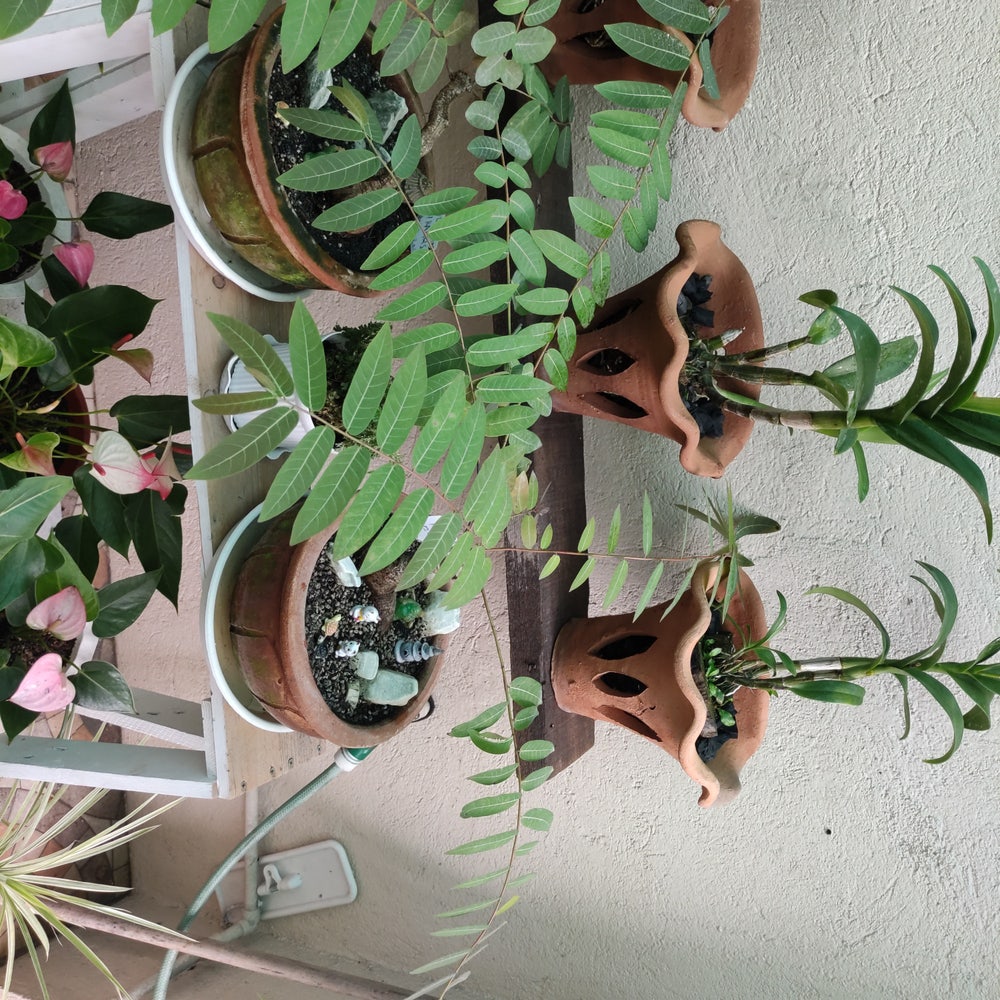
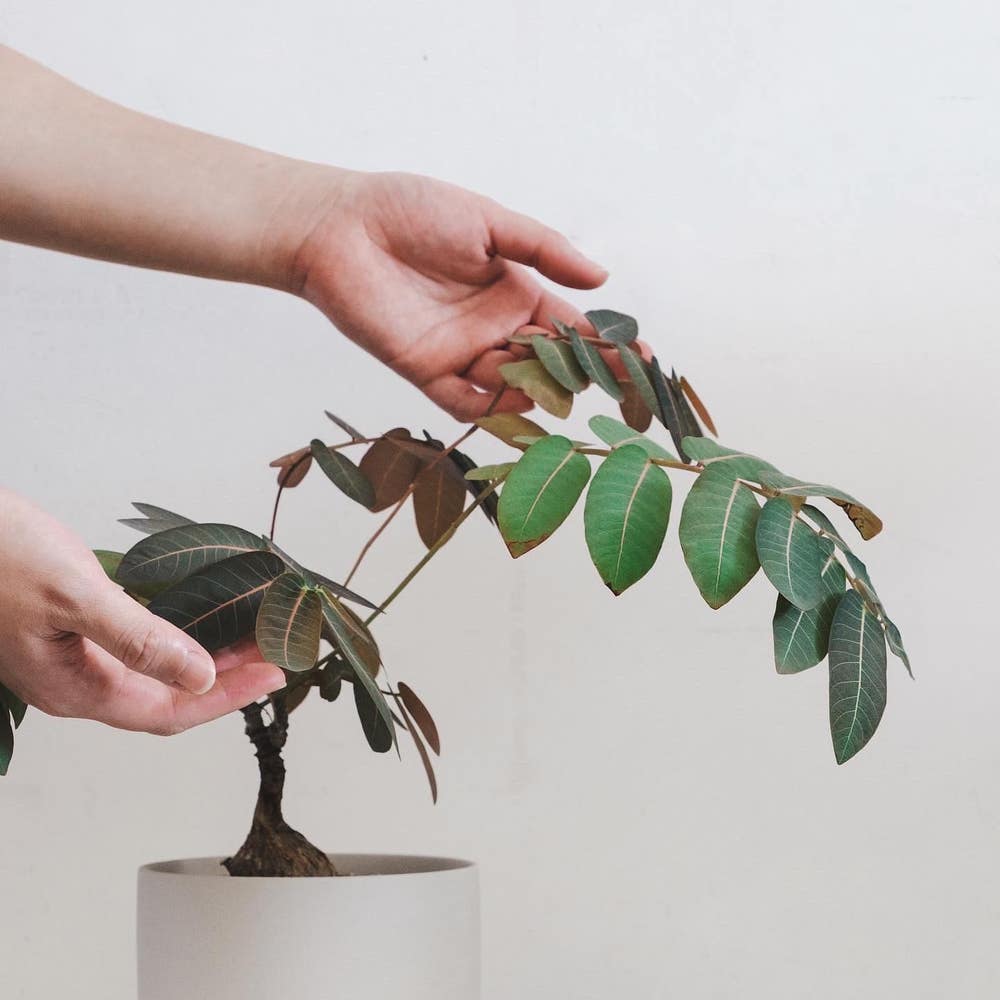
Should I Repot My Long-Stalked Phyllanthus?
Phyllanthus tenellus
By the Greg Editorial Team
Feb 10, 2024•3 min read
This article was created with the help of AI so we can cover more plants for you. May contain errors. See one? Report it here.
Discover the secret to a thriving Phyllanthus 🌿—knowing when a simple repot can unlock its potential!
- Tangled roots and slow drainage signal it's time to repot.
- Repot in growth phase with the right tools and pot.
- Post-repot care: Water well, indirect light, stable temperature.
Spot the Clues: When to Repot
🌱 Root Clues: Tangled and Peeking Roots
Tangled roots are a cry for help. When they're visible at the pot's bottom or sneaking out of drainage holes, it's a clear sign. Your Long-Stalked Phyllanthus is saying, "I need more room, stat!"
💧 Water Clues: Slowed Drainage and Quick Drying
If the soil dries out faster than your enthusiasm on a Monday morning, take note. Slowed drainage or a pot that feels like a wet sponge are red flags. It's not just quirky behavior; it's a watering woe signaling the need for a repot.
🌿 Growth Clues: Sluggish Growth and Cramped Leaves
When your plant's growth is more sluggish than a sloth on a lazy day, it's time to act. Cramped leaves and a halt in growth aren't just a phase; they're your plant's silent plea for a growth spurt. Don't ignore the signs; repotting is overdue.
The Repotting Rundown: A Step-by-Step Guide
🌱 Prepping the Stage: Choosing the Right Time and Setup
Timing is everything when it comes to repotting your Long-Stalked Phyllanthus. Aim for spring or early summer, when the plant is in its growth phase. Ensure you have all your tools at the ready: a new pot, fresh potting mix, scissors, and a watering can.
🏃♂️ The Great Escape: Safely Removing Your Plant
Gently coax your plant out of its current pot; avoid a tug-of-war. If it resists, tap the sides of the pot or run a knife around the edge to loosen the soil. Once free, cradle the root ball with care, as if holding a fragile treasure.
🔍 Root Review: Inspecting and Trimming if Necessary
Examine the roots with a detective's eye. Snip away any that are dead or excessively long, but treat the healthy ones with the gentleness of a surgeon. Remember, this is not a root massacre; it's a prudent trim.
🏆 Choosing Your Champion Pot
Terracotta vs. Plastic vs. Ceramic: Weighing the Pros and Cons
Terracotta breathes like a yoga instructor, offering that air flow your Phyllanthus craves, and it's great for moisture management. Plastic is the lightweight contender, often cheaper and less breakable. Ceramic pots can be stunning but ensure they have drainage holes; otherwise, it's like wearing a raincoat in a sauna for your plant's roots.
Why Some Materials Don't Make the Cut for Your Phyllanthus
Avoid materials that trap moisture like a sponge. Your Long-Stalked Phyllanthus enjoys a drink but doesn't want to swim in it. Drainage is the name of the game; without it, you're inviting root rot to the party, and no one wants that guest.
Post-Repotting Care: Helping Your Plant Thrive
💧 The First Watering: When and How Much
After repotting, water your Long-Stalked Phyllanthus generously to help it settle. Then, let the top inch of soil dry before the next watering. Overwatering is the fast track to plant demise, so err on the side of too little rather than too much.
🌟 Settling in: Light and Temperature Tips for a Happy Phyllanthus
Indirect bright light is your Phyllanthus's best friend—think of it as the plant equivalent of a cozy reading nook. Full sunlight? Only if it's like a gentle morning hug, not a midday wrestling match. Keep the temperature above 18℃ (64℉) to avoid giving your plant an unwanted chill. Stability is the name of the game; sudden temperature changes are as welcome as a snowstorm in July.
⚠️ Safety First
This content is for general information and may contain errors, omissions, or outdated details. It is not medical, veterinary advice, or an endorsement of therapeutic claims.
Always consult a qualified healthcare professional before using any plant as food, medicine, or supplement.
Never eat any plant (or feed one to pets) without confirming its identity with at least two trusted sources.
If you suspect poisoning, call Poison Control (800) 222-1222, the Pet Poison Helpline (800) 213-6680, or your local emergency service immediately.
Spotted an error? Please report it here.
Ensure your Long-Stalked Phyllanthus thrives in its new pot by repotting at the right time 📅 with Greg's tailored care reminders.