🌵 Everything You Need to Know About Mahafaly Jatropha
Jatropha mahafalensis
By the Greg Editorial Team
Feb 02, 2025•11 min read
This article was created with the help of AI so we can cover more plants for you. May contain errors. See one? Report it here.
Discover how Mahafaly Jatropha can thrive in your garden, offering beauty and resilience in any climate! 🌿
- 🌞 Mahafaly Jatropha needs 6-8 hours of sunlight daily for optimal growth.
- 🌱 Well-draining soil with pH 6.0-7.0 is ideal for healthy Mahafaly Jatropha.
- ⚠️ All parts are toxic to humans and pets; handle with care!
How to Grow
Choosing a Location 🌞
To thrive, Mahafaly Jatropha needs full sun, requiring 6 to 8 hours of direct sunlight daily. Ensure you choose a location that allows for its mature dimensions and provides adequate airflow around the plant.
Soil Preparation 🌱
The ideal soil for Mahafaly Jatropha is well-draining, sandy, or loamy. Aim for a soil pH that is slightly acidic to neutral, ideally between 6.0 and 7.0, to promote healthy growth.
Planting Techniques 🌿
When planting, dig a hole that is 2 to 3 inches deep. For shrubs, space them 3 to 5 feet apart; if you're planting small trees, allow 6 to 10 feet between each one to ensure they have room to grow.
Watering Requirements 💧
Water your Mahafaly Jatropha deeply but infrequently, allowing the soil to dry out between waterings. Using drip irrigation or soaker hoses is recommended to maintain consistent moisture without overwatering.
Fertilizing 🌼
A balanced fertilizer with an NPK ratio of 10-10-10 works best for Mahafaly Jatropha. Fertilize every 4 to 6 weeks during the growing season to support robust growth.
Pruning ✂️
Prune your plants in late winter or early spring, just before new growth begins. Focus on removing dead or damaged branches and shaping the plant to encourage a healthy structure.
Ongoing Care 🛡️
Regularly monitor your Mahafaly Jatropha for pests and diseases to catch any issues early. Adjust your watering and fertilizing routines based on seasonal changes to keep your plants thriving.
This comprehensive approach to growing Mahafaly Jatropha sets the foundation for a healthy, vibrant plant. Next, let’s explore how to propagate this resilient species effectively.
Propagation
🌱 Seed Propagation
To propagate Mahafaly Jatropha from seeds, start by soaking them in water for 24 hours. This simple step kickstarts the germination process, which thrives in warm temperatures ranging from 70°F to 85°F and requires moist soil.
✂️ Cutting Propagation
Another effective method is cutting propagation. Begin by taking 4-6 inch cuttings from healthy plants, ensuring to remove the lower leaves.
Next, dip the cut ends in rooting hormone to encourage root development.
Place the cuttings in a well-draining medium and keep them moist until roots form, which can take a few weeks.
This method is particularly rewarding, as it allows you to clone your favorite plants and expand your garden effortlessly.
With both techniques, you'll be well on your way to growing your Mahafaly Jatropha collection.
As you explore propagation, consider the next steps in nurturing your plants for optimal growth and health.
Lifecycle
Lifecycle Stages 🌱
The Mahafaly Jatropha is typically grown as a perennial, meaning it can thrive for multiple years. Its lifecycle consists of several key stages: seed or cutting, germination, seedling, vegetative growth, flowering, and seed production.
Timeframe for Growth ⏳
Germination occurs within 7 to 14 days, setting the stage for the plant's development. After germination, it takes about 6 to 12 months for the plant to reach the flowering stage.
Lifespan and Maturity 🎉
The Mahafaly Jatropha has a lifespan of 10 to 20 years, making it a long-term addition to your garden. It reaches maturity in approximately 1 to 2 years, allowing you to enjoy its benefits relatively quickly.
Understanding the lifecycle of Mahafaly Jatropha helps in planning your gardening efforts effectively. With the right care, you can witness its growth and flowering, enriching your garden for years to come.
Size
Mature Height and Spread 🌳
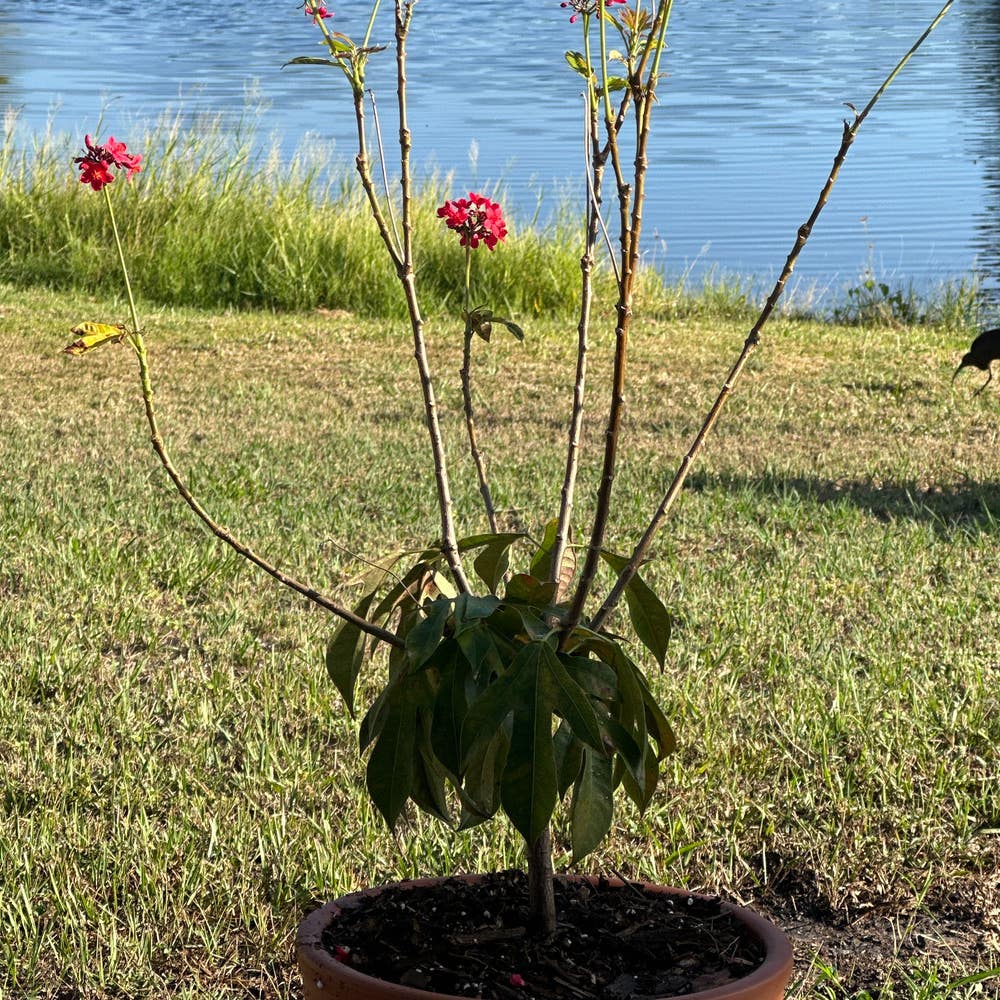
The Mahafaly Jatropha can reach a typical height of 3 to 10 feet, depending on its growing conditions. Its spread generally ranges from 3 to 5 feet wide, making it a versatile choice for various garden spaces.
Growth Rate and Factors Affecting Size 📈
Under ideal conditions, this plant exhibits a moderate to fast growth rate. Key factors influencing its size include soil quality, water availability, and sunlight exposure, all of which play a crucial role in its overall health and development.
Understanding these aspects can help you create the perfect environment for your Mahafaly Jatropha, ensuring it thrives and flourishes in your garden. Next, let’s explore the root system of this remarkable plant and how it contributes to its resilience.
Roots
Root System Type 🌱
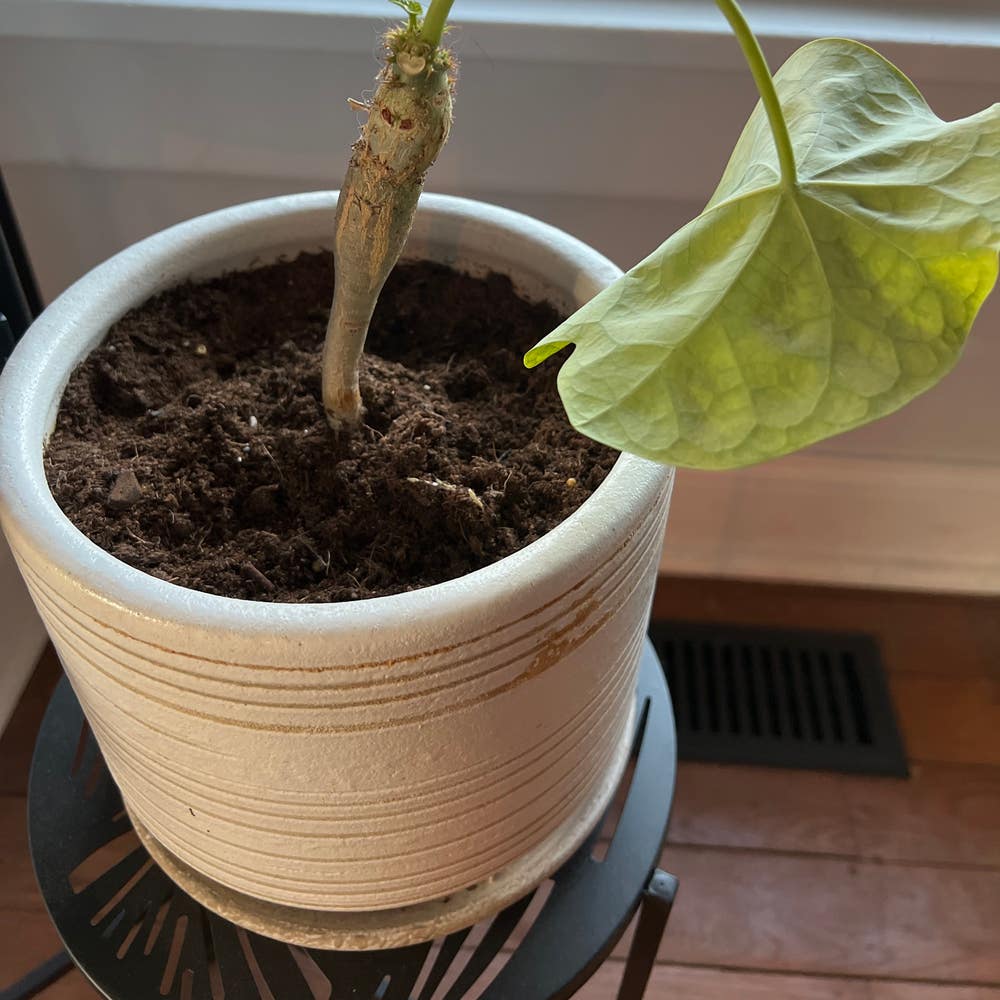
The Mahafaly Jatropha features a unique taproot system complemented by fibrous roots. This structure allows the plant to access deeper soil moisture while also stabilizing it against strong winds.
Root Depth and Spread Characteristics 📏
Roots can reach depths of 2-3 feet, making them well-suited for various soil types. They also extend laterally beyond the plant's canopy, ensuring a broad area for nutrient absorption.
Common Root-Related Issues ⚠️
Root rot is a common issue, primarily caused by overwatering. To prevent this, ensure proper drainage in your planting area.
Rootbound conditions can occur in container-grown plants. Signs include stunted growth and roots circling the pot, indicating they need more space.
Visual Cues for Healthy vs. Unhealthy Roots 👀
Healthy roots are firm, white, and spread throughout the soil, indicating a thriving plant. In contrast, unhealthy roots appear dark, mushy, or foul-smelling, signaling potential problems that need immediate attention.
Understanding the root system of Mahafaly Jatropha is crucial for its successful growth. Proper care and monitoring can help you avoid common issues and ensure your plant thrives.
Next, let’s explore the numerous benefits this remarkable plant offers!
Benefits
Top 5 Benefits of Mahafaly Jatropha 🌱
1. Drought Resistance
Mahafaly Jatropha thrives in low-water conditions, making it a perfect choice for gardens in arid climates. Its ability to withstand drought not only conserves water but also reduces maintenance efforts.
2. Attractive Flowers
The plant produces vibrant flowers that enhance garden aesthetics. These blooms attract pollinators, contributing to a healthier ecosystem.
3. Medicinal Properties
Traditionally, Mahafaly Jatropha has been used for various medicinal purposes. Its leaves and seeds are believed to possess healing properties, showcasing its value beyond mere decoration.
4. Erosion Control
This hardy plant plays a crucial role in stabilizing soil in arid regions. By preventing erosion, it helps maintain the integrity of the landscape, making it a valuable addition to any garden.
5. Cultural Significance
In many cultures, Mahafaly Jatropha symbolizes resilience and adaptability. Its presence in gardens reflects a connection to local traditions and a commitment to sustainable practices.
These benefits make Mahafaly Jatropha not just a beautiful addition to your garden but also a practical choice for enhancing biodiversity and supporting local ecosystems. As we explore further, we'll delve into how to propagate this remarkable plant effectively.
Companion Plants
🌱 Companion Planting
Companion planting is a fantastic way to enhance your garden's diversity and health. By strategically placing plants together, you can improve pest management and create beneficial symbiotic relationships.
🌼 Best Companion Plants
When it comes to Mahafaly Jatropha, consider pairing it with succulents, cacti, and other drought-tolerant plants. These companions share similar care needs and water requirements, making them ideal partners in your garden.
🚫 Plants to Avoid
On the flip side, steer clear of plants that require high moisture or shade. These can compete for resources and hinder the growth of your Mahafaly Jatropha, leading to less-than-ideal results.
By choosing the right companions, you can create a thriving garden that showcases the beauty and resilience of Mahafaly Jatropha while ensuring all plants flourish together.
Toxicity to Humans
Toxic Parts and Symptoms 🧪
The Mahafaly Jatropha is not just a pretty plant; it has toxic components. The leaves, stems, and seeds contain harmful compounds known as phorbol esters, which can lead to unpleasant symptoms like nausea, vomiting, diarrhea, abdominal pain, dizziness, and confusion.
Exposure Risks ⚠️
Exposure can occur in various ways. Ingesting any part of the plant, coming into contact with its sap, or inhaling smoke from burning the plant can all pose risks to your health.
Medical Guidance 🚑
If you experience any symptoms after exposure, don’t hesitate—seek immediate medical attention. It’s always better to be safe and get checked out by a professional.
Toxicity to Dogs
Toxic Parts and Symptoms 🐶
All parts of the Mahafaly Jatropha plant are potentially harmful to dogs. Symptoms of toxicity include drooling, vomiting, diarrhea, weakness, and tremors.
Exposure Risks ⚠️
Dogs can be exposed to the plant through ingestion of its material or contact with its sap. It's crucial to be aware of these risks, especially if your dog enjoys exploring the garden.
Veterinary Care 🏥
If you suspect your dog has ingested any part of the Mahafaly Jatropha, seek immediate veterinary care. Quick action can make a significant difference in treatment outcomes.
Prevention Tips 🛡️
To keep your furry friends safe, supervise their outdoor time and remove the Mahafaly Jatropha from accessible areas. Creating a pet-friendly garden ensures both beauty and safety for your beloved companions.
With these precautions in place, you can enjoy the beauty of Mahafaly Jatropha while keeping your dogs safe from its toxic effects. Next, let’s explore how this plant can impact your cats.
Toxicity to Cats
Toxic Parts and Symptoms 🐱
All parts of the Mahafaly Jatropha plant are toxic to cats. If ingested, your feline friend may experience drooling, vomiting, diarrhea, weakness, or tremors.
Exposure Risks ⚠️
Cats can be exposed to the plant through ingestion of its material or contact with its sap. It's crucial to be aware of these risks, especially if your cat enjoys exploring the outdoors.
Veterinary Care 🏥
If you suspect your cat has ingested any part of the Mahafaly Jatropha, seek immediate veterinary care. Quick action can make a significant difference in your pet's recovery.
Prevention Tips 🛡️
To keep your cat safe, supervise their outdoor activities and consider keeping them indoors. Removing the Mahafaly Jatropha from accessible areas can help prevent any accidental exposure.
By being vigilant and informed, you can enjoy the beauty of the Mahafaly Jatropha while ensuring your furry companions stay safe. Next, let’s explore the potential toxicity of this plant to dogs.
Problems
Common Problems Faced 🌱
Growing Mahafaly Jatropha can be rewarding, but it comes with its share of challenges.
Incorrect Watering
Overwatering can lead to yellowing leaves, while underwatering results in wilting.
Incorrect Light Conditions
Too much sun can scorch the leaves, whereas insufficient light may cause leggy growth.
Diseases
Watch out for fungal issues like powdery mildew and root rot, which can compromise plant health.
Leaf Issues
You might notice scorching, yellowing, or fuzzy growth on the leaves, signaling distress.
Growth Problems
Stunted growth, leaning plants, or a lack of flowering can indicate underlying issues.
Identification and Solutions 🔍
Recognizing symptoms early is key to maintaining a healthy plant.
Monitoring Symptoms
Keep an eye on changes in leaf color, growth patterns, and overall health.
Solutions
- Adjust your watering schedule based on the plant's needs.
- Relocate the plant if it's not getting the right light.
- Apply fungicides to combat diseases when necessary.
By staying vigilant and responsive, you can help your Mahafaly Jatropha thrive despite these common problems. Next, let’s explore the pests that might also pose a threat to your plant's health.
Bugs
🐜 Potential Pest Issues
Mahafaly Jatropha is generally resilient against pests, but it can still fall victim to a few troublesome critters. Keeping an eye out for these pests is essential to maintain the health of your plants.
🔍 Identification of Pests and Damage Caused
- Spider Mites: Look for fine webbing and stippled leaves, which indicate these tiny pests are at work.
- Scale Insects: These pests leave behind a sticky residue and can cause yellowing leaves, making them easy to spot.
- Mealybugs: Identified by cotton-like masses on stems and leaves, mealybugs can quickly become a nuisance.
🛠️ Effective Treatment Options
To combat these pests, consider using:
- Insecticidal Soap: This is effective for many soft-bodied insects and is safe for your plants.
- Neem Oil: A natural pesticide that disrupts the life cycle of pests without harming beneficial insects.
- Beneficial Insects: Introducing ladybugs or lacewings can help keep pest populations in check.
By staying vigilant and employing these treatment methods, you can protect your Mahafaly Jatropha from unwanted pests. Next, let’s explore the various animals that might also pose a threat to your plants.
What Eats
Common Animals That May Damage 🦌
Mahafaly Jatropha can attract a variety of herbivores. Common culprits include deer, rabbits, squirrels, and rodents, all of which may find the plant's leaves and stems quite appetizing.
Signs of Animal Presence and Damage 🐾
Keep an eye out for signs of animal activity around your plants. Chewed leaves, broken branches, and droppings nearby can indicate that these critters are enjoying a snack at your expense.
Deterrent Methods 🚫
To protect your Mahafaly Jatropha, consider using various deterrent methods. Chemical repellents can be effective, but you might also explore organic options, like planting deterrent species or using physical barriers to keep the munchers at bay.
By staying vigilant and employing these strategies, you can help ensure your Mahafaly Jatropha thrives without unwanted visitors. Next, let’s dive into the potential pest issues that can affect this resilient plant.
⚠️ Safety First
This content is for general information and may contain errors, omissions, or outdated details. It is not medical, veterinary advice, or an endorsement of therapeutic claims.
Always consult a qualified healthcare professional before using any plant as food, medicine, or supplement.
Never eat any plant (or feed one to pets) without confirming its identity with at least two trusted sources.
If you suspect poisoning, call Poison Control (800) 222-1222, the Pet Poison Helpline (800) 213-6680, or your local emergency service immediately.
Spotted an error? Please report it here.
Cultivating a thriving Mahafaly Jatropha 🌼 is easy when you understand its needs, and with Greg's tailored care reminders, you'll keep your plant flourishing beautifully for years to come!