How to Know When to Repot a Madagascar Physic Nut?
Jatropha mahafalensis
By the Greg Editorial Team
Apr 25, 2024•4 min read
This article was created with the help of AI so we can cover more plants for you. May contain errors. See one? Report it here.
Discover when to repot your Madagascar Physic Nut 🌿 for a happier, healthier plant life.
- Roots circling or escaping? Time to repot your Madagascar Physic Nut.
- Choose terracotta for breathability, plastic for moisture, or ceramic for balance.
- After repotting: water thoroughly, monitor for stress, and hold off on fertilizing.
Spotting the Telltale Signs for Repotting
🌱 Root Revelations
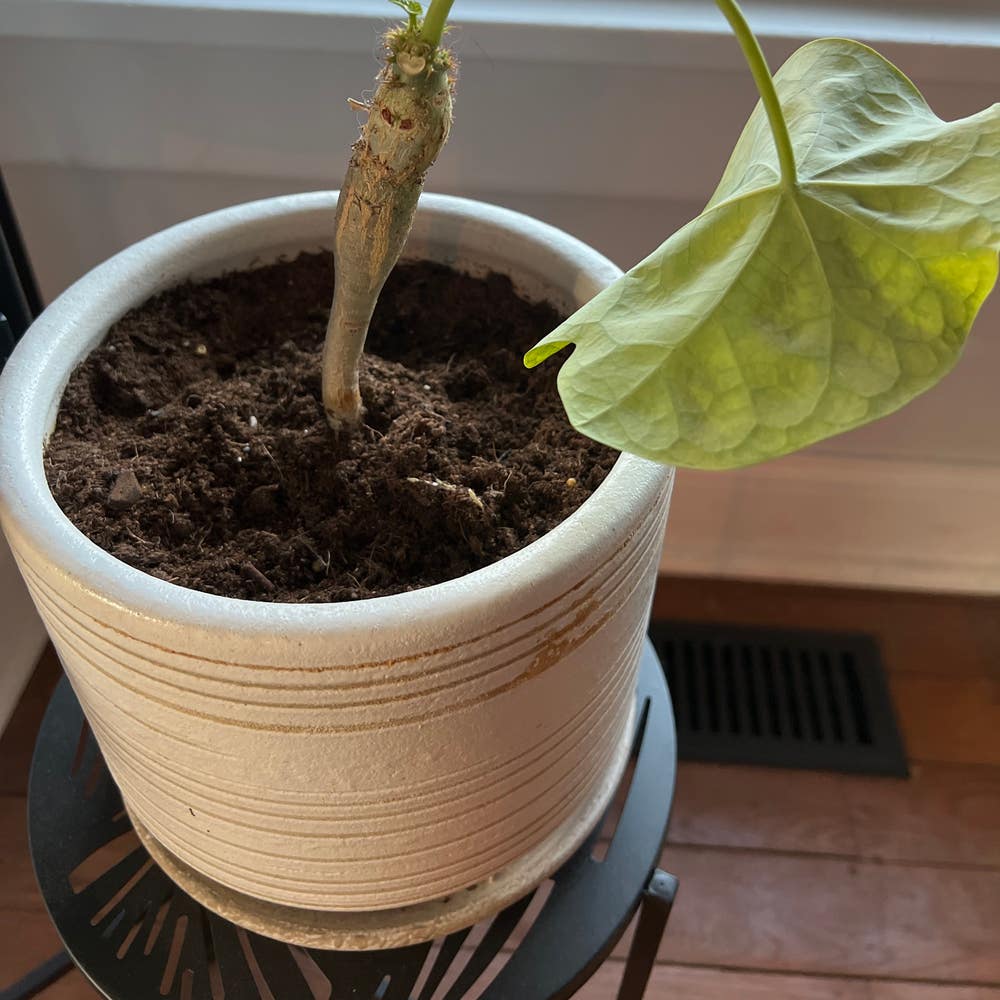
Roots should be comfortably underground, not making unscheduled appearances. Root-bound conditions are like a packed elevator — no one's comfortable. If you see roots circling the soil's surface or trying to escape through the drainage holes, it's a clear signal: they're suffocating and need more space.
💧 Thirsty Plant, Dry Soil
When your Madagascar Physic Nut guzzles water faster than a marathon runner, take note. If the soil dries out quicker than your smartphone battery, it's not just thirsty — it's parched. This quick-drying soil indicates a root takeover, leaving little room for moisture. It's your cue to give your plant a new home with room to grow.
Choosing the Right Home: Pot Selection
🌱 Size Matters
When it's time to upgrade your Madagascar Physic Nut's digs, size is your first consideration. Aim for a pot that's 1-2 inches larger in diameter than the current one. Too big, and you're practically inviting root rot to the housewarming party.
🏺 Material World
Next up, let's talk material. Terracotta is the old reliable, with its porous nature allowing the soil to breathe and reducing the risk of waterlogged roots. It's like the comfortable jeans of the pot world—classic, sturdy, but a bit heavy.
Plastic pots are the flip-flops here—light, cheap, and they keep the soil moist for longer. Great for drought-prone areas or for those who sometimes forget to water. Just make sure they have drainage holes, or you'll be swimming in trouble.
Ceramic pots are the dress shoes—sleek, more expensive, and they hold moisture well. They're less breathable than terracotta but can be a good middle ground if you're not overzealous with the watering can.
Remember, the right pot is a balance between your plant's needs, your watering habits, and, let's be real, what looks good on your patio.
The Repotting Rundown
🌱 Prep Work
Before the big transplant, assemble your tools: a new pot, fresh potting mix, a trowel, and maybe a little bit of moxie. Ensure the new pot is a snug upgrade—like going from a studio to a one-bedroom, not a mansion. Clean the pot to avoid any unwanted guests, and lay down a base layer of soil that's as inviting as a freshly made bed.
🌿 Gentle Transitions
It's showtime. Water your Madagascar Physic Nut a few hours prior to loosen up those roots. Coax the plant out gently—if it's clinging on for dear life, a tap on the pot's bottom should loosen its grip. Once out, it's time for a root inspection. Snip the dead ends, but treat the living ones with the tenderness of a first kiss.
🌱 Soil and Settling In
Now for the soil mix—think of it as the plant's new mattress. It should be nutrient-rich and well-aerated, like a gourmet meal for the roots. Center your plant in the new pot, ensuring it's not too high or too low, like Goldilocks finding the perfect chair. Fill in the sides with more mix, tamping it down to remove air pockets—consider it a gentle pat down. Water sparingly at first; overwatering is a one-way ticket to root rot.
Aftercare: Helping Your Plant Settle In
💧 First Watering
After repotting your Madagascar Physic Nut, it's time for a drink—but not a deluge. Water the plant thoroughly, ensuring the soil is moist throughout. Then, hit pause. Let the top layer of soil dry before you even think about the watering can again. Overwatering is a rookie mistake; don't let your enthusiasm turn into a root-rot horror story.
Monitoring and Maintenance
Keep an eye on your green charge like it's the new intern at the office. Signs of distress such as wilting or leaves turning yellow are your cues to act. Maybe it's thirsty, or maybe it's had too much to drink—adjust your watering accordingly. And don't get too handsy with the pot; find a bright spot with indirect light and let it be. Stability is key during this adjustment phase. Remember, no fertilizer for a bit. Let the plant focus on settling in, not shooting up.
⚠️ Safety First
This content is for general information and may contain errors, omissions, or outdated details. It is not medical, veterinary advice, or an endorsement of therapeutic claims.
Always consult a qualified healthcare professional before using any plant as food, medicine, or supplement.
Never eat any plant (or feed one to pets) without confirming its identity with at least two trusted sources.
If you suspect poisoning, call Poison Control (800) 222-1222, the Pet Poison Helpline (800) 213-6680, or your local emergency service immediately.
Spotted an error? Please report it here.
Recognize when your Madagascar Physic Nut is ready for a new pot and repot with confidence, while Greg 🌿 supports your green thumb with timely care reminders and aftercare tips.