Japanese Poinsettia - Fertilizing 101
Euphorbia tithymaloides
By the Greg Editorial Team
Jun 08, 2024•4 min read
This article was created with the help of AI so we can cover more plants for you. May contain errors. See one? Report it here.
- Seasonal fertilizing schedule is crucial for Japanese Poinsettia health.
- NPK ratios matter; choose fertilizer carefully for growth and blooms.
- Prevent over-fertilization to avoid growth and bloom issues.
Timing is Everything: When to Fertilize
⏰ Seasonal Fertilization Schedule
Spring is the alarm clock for Japanese Poinsettias; it's when you need to start feeding them to kickstart their growth. Monthly fertilization is recommended, but always after watering to avoid shocking the roots.
Come summer, your plant is in its prime, so maintaining a bi-weekly to monthly feeding schedule will keep it vibrant. Remember, overdoing it can lead to all leaves, no flowers.
As fall approaches, it's time to wind down. Reduce the frequency of fertilization to prepare your plant for its winter nap. This is the plant's downtime, so don't jolt it with unnecessary nutrients.
🌱 Growth Stage Considerations
For seedlings, think of fertilizer as the foundation of their nutrition. A balanced, soluble fertilizer after they emerge sets the stage for healthy growth.
Mature plants, on the other hand, need sustenance to keep blooming and thriving. Stick to a monthly routine during the growing season, but let them rest in winter. It's their time off; respect it.

Choosing Your Plant's Meal: Selecting the Right Fertilizer
💡 Understanding NPK Ratios
NPK ratios are the backbone of fertilizer talk. Nitrogen (N) is the go-to for green leafy growth. Phosphorus (P) is the wingman for roots and those coveted blooms. Potassium (K) is the all-rounder, keeping the plant's systems in check. A 10-10-10 blend is a safe start, but don't just stop there. Micronutrients are the unsung heroes that round out your plant's diet.
🍽️ Organic vs. Synthetic: Pros and Cons
When it comes to organic versus synthetic fertilizers, it's a bit like choosing between a home-cooked meal and fast food. Organic is slow-release, building up the soil community along with your plant. Synthetic gives you that quick fix, a burst of nutrients, but with the risk of going overboard. Long-term effects? Organic plays the long game, improving soil health over time. Synthetic is the sprinter, fast and furious, but potentially burning out your plant's roots if not used with care.

Fertilizer Application: Techniques for a Happy Plant
💧 Method Matters: Liquid, Granular, or Spikes?
Liquid fertilizers are like a quick snack for your Japanese Poinsettia, offering fast-release nitrogen that's readily available. Even coverage of the root zone and proper dilution are key to their success. Granular fertilizers, on the other hand, are the slow burners, releasing nutrients over time. They require even spreading and a follow-up with watering to ensure they reach the roots. Fertilizer spikes are the set-it-and-forget-it option, providing pre-measured nutrients with minimal risk of overuse. However, they may not distribute nutrients as evenly as other methods.
🚫 Avoiding Common Pitfalls
Over-fertilization is the silent killer of many a plant's vibe. To prevent fertilizer burn, stick to the mantra: less is more. Excessive nitrogen can lead to all leaves and no flowers, and nobody wants a leafy green bush when they were promised blooms. Always follow the recommended dosage, and remember that watering after application is not just a suggestion—it's a must to prevent nutrient loss and ensure your plant gets the full meal.

Reading the Signs: Over-Fertilization and Its Remedies
🚨 Spotting Trouble Early
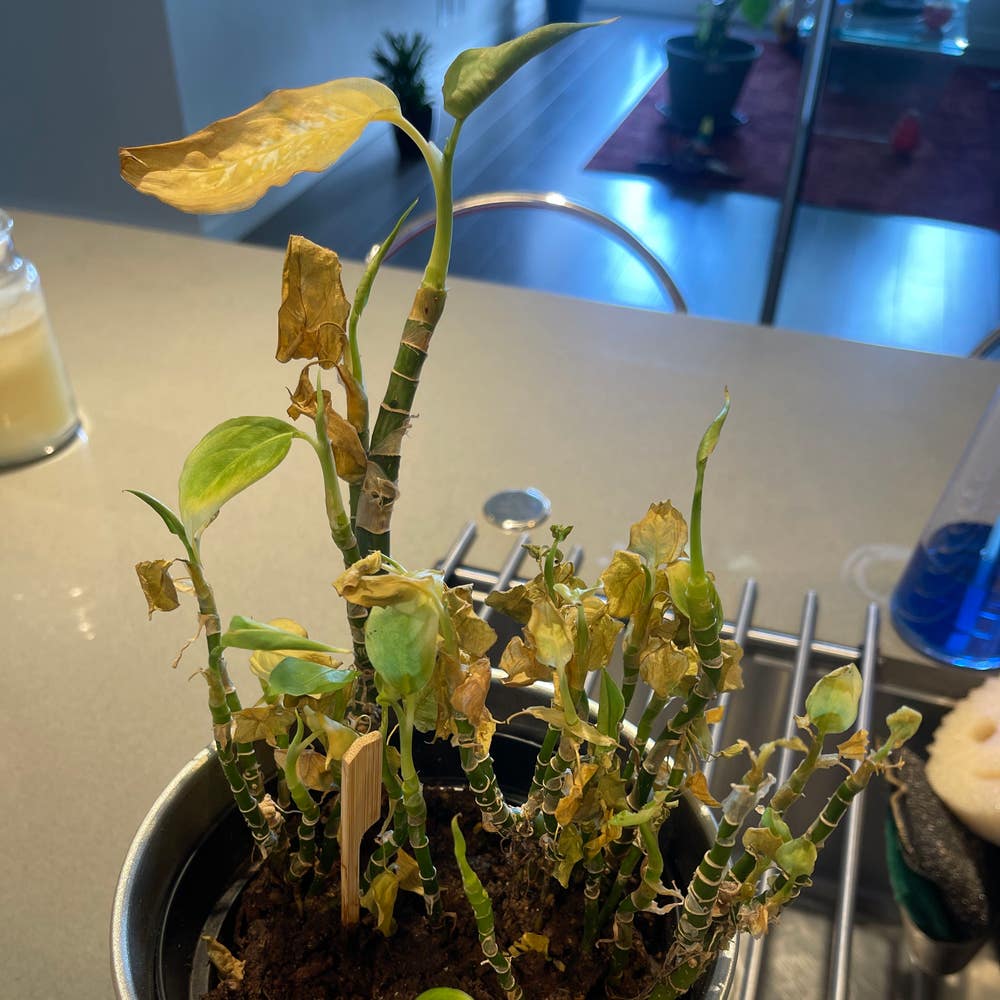
Recognizing symptoms of excess nutrients is crucial to prevent long-term damage to your Japanese Poinsettia. A white crust on the soil surface or pot edges is a clear indicator of salt buildup from over-fertilization. Other signs include stunted growth, leaf browning at the tips and margins, and a general halt in progress. These symptoms demand immediate attention and a reassessment of your fertilization strategy.
Getting Back on Track
To correct over-fertilization, start by leaching the soil. Run water through it to flush out excess salts—think of it as a detox for your plant's roots. If a crust of fertilizer is present, carefully remove it, taking care not to disturb too much soil. Prune away any wilted or burned leaves; they won't recover. Hold off on further fertilization; give your plant a break to recuperate from the nutrient shock. Remember, moderation is key—more isn't always better when it comes to plant nutrition.
⚠️ Safety First
This content is for general information and may contain errors, omissions, or outdated details. It is not medical, veterinary advice, or an endorsement of therapeutic claims.
Always consult a qualified healthcare professional before using any plant as food, medicine, or supplement.
Never eat any plant (or feed one to pets) without confirming its identity with at least two trusted sources.
If you suspect poisoning, call Poison Control (800) 222-1222, the Pet Poison Helpline (800) 213-6680, or your local emergency service immediately.
Spotted an error? Please report it here.
Nurture your Japanese Poinsettia to perfection by adhering to a smart fertilizing routine, with Greg's tailored alerts 🌱 ensuring you never over or underfeed.