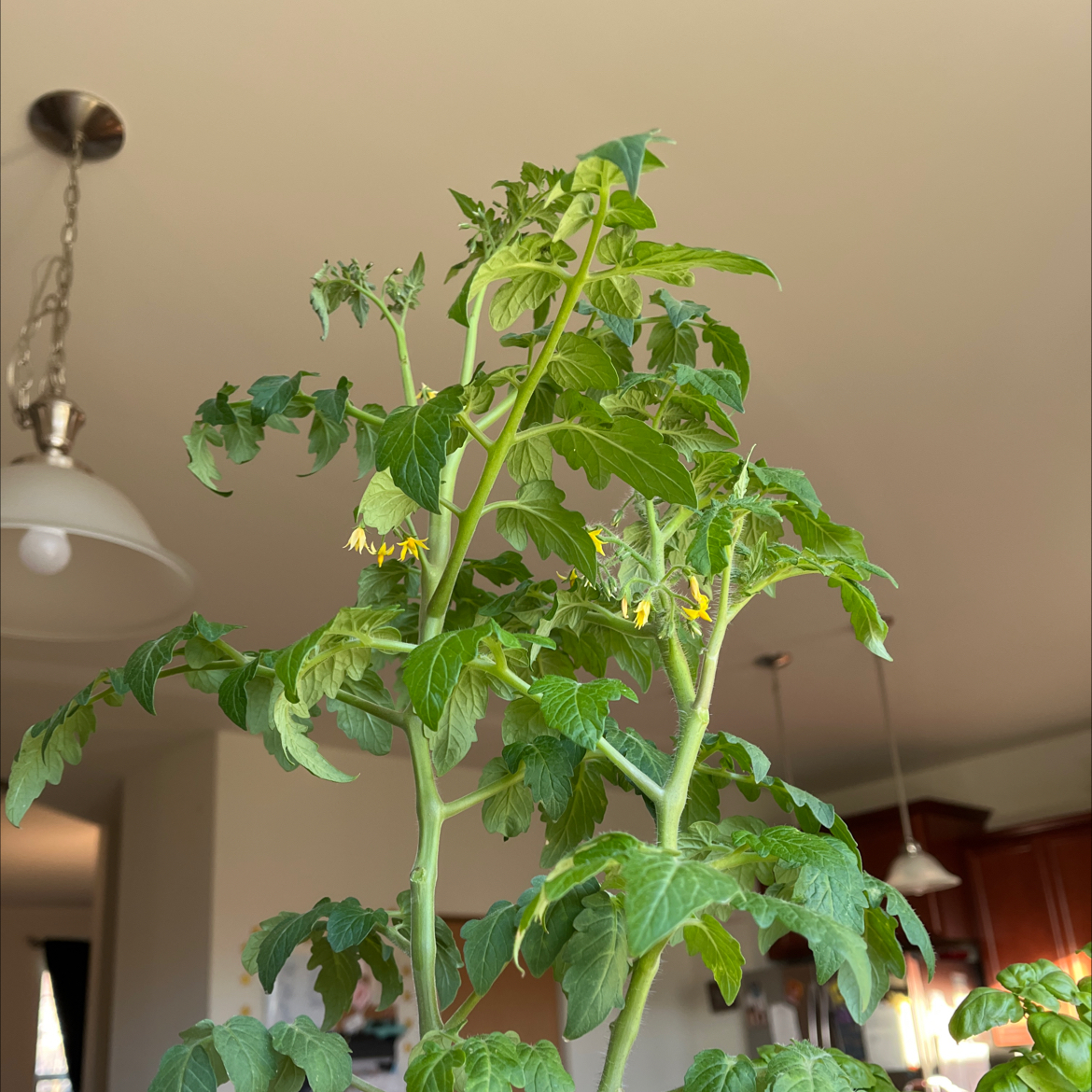
How to Repot a Tomato Plant
If you started Tomato Plants from seed, pot up from the starter cell to a 4 inch pot once they have true leaves, then to a 12 inch (or 5 gallon) final container after frost. If you bought a nursery seedling, move straight from the nursery pot to the final container after frost. Bury the stem up to the first true leaves at every repot.

How to Know It's Time to Repot
Tomato Plants tell you clearly when they've outgrown their current pot, whether you started them from seed or brought home a nursery seedling. Here are four signals to watch for.
-
1Roots circle the bottom of the pot or push out through the drainage holes.
-
2The plant has roughly doubled in height since you last potted it up.
-
3Soil dries out within a day of watering, even when the weather is mild.
-
4The plant wilts between waterings, even when it's out of direct midday sun.
One sign on its own isn't enough to act on, but two or more together means it's time. Most Tomato Plants need one or two repots in a season. One if you bought a nursery seedling, two if you started from seed.
The Best Time of Year to Repot
Tomato Plants can't tolerate any frost and want warm soil to settle into. Wait for your last frost date to pass and overnight temperatures to stay above 50°F before moving them outside or doing the final repot.
Seed-starters can pot up earlier under grow lights, as soon as the seedlings outgrow their starter cell. The outdoor final move waits for settled weather. Use the map below to find your window.

How to Choose a Pot and Soil Mix
Pot Size
Tomato Plants grown from seed move from the starter cell to a 4 inch pot once they have true leaves, then to a 12 inch (or 5 gallon) final container once frost is past.
Nursery-bought seedlings skip the intermediate step and go straight from the nursery pot to the 12 inch (or 5 gallon) final container after frost.
Pot Material
Fabric grow bags and plastic pots are the best fit for Tomato Plants. Both hold moisture well, which matters for a plant that drinks heavily once it's flowering and fruiting in summer heat.
Terracotta dries too fast and forces you to water twice a day to keep up. Whichever container you pick, make sure it has drainage holes. Tomato roots rot quickly in standing water.
Soil Mix
Mix two parts standard potting soil with one part compost for the rich, well-fed mix Tomato Plants want. A handful of slow-release fertilizer granules worked into the soil helps carry the plant through the heaviest weeks of fruiting.
Skip pure cactus mix, which dries out too fast, and avoid plain garden soil, which compacts in containers and starves the roots of air.
How to Repot a Tomato Plant, Step by Step
-
1Water the day before. Give the plant a thorough drink the day before repotting. Moist soil holds the root ball together when you slide it out of the old pot and keeps the fine roots from tearing as you work.
-
2Pick the next pot up. If you're potting up from a starter cell, choose a 4 inch pot. If you're moving a 4 inch pot or a nursery seedling to its outdoor home after frost, choose a 12 inch pot or 5 gallon container. Pick a pot with drainage holes.
-
3Slide the plant out. Tip the old pot onto its side and gently work the root ball loose. Avoid pulling on the stem. If the plant is stuck, run a butter knife around the inside edge of the pot to release it.
-
4Plant deep. Set the plant low enough that the soil line reaches the first set of true leaves. Tomato Plants root all along the buried stem, and the new roots make for a stronger, more productive plant. Pinch off any leaves that would sit below the soil line.
-
5Fill in around the sides. Pack fresh mix around the buried stem, pressing gently as you go to remove air pockets. Bring the soil up to just below the first true leaves.
-
6Water and place in full sun. Water slowly until you see it run out the drainage holes. Set the plant in full sun once frost has passed and overnight lows stay above 50°F. Hold off on fertilizer for 4 to 6 weeks so the freshly cut roots can settle in.
What to Expect After Repotting
Day 1 to 3
Tomato Plants often wilt for a day or two after repotting, especially if you planted deep. That's normal as the buried stem starts forming new roots.
Keep the soil moist but not soggy, and give the plant bright shade for the first couple of days if it's hot. Most plants perk back up within three days.
Week 1 to 2
Fresh upward growth and new leaves at the top mean the plant has rooted in and is ready for full sun and your normal watering rhythm.
Start a half-strength liquid fertilizer once new growth is clearly underway, building up to full strength over the next two or three feedings.
Got More Questions?
About This Article
