πŸ‰ Should I Repot My Dragonfruit And If So, How?

Selenicereus undatus

By the Greg Editorial Team

Jun 18, 202413 min read

This article was created with the help of AI so we can cover more plants for you. May contain errors. See one? Report it here.

Boost your dragonfruit's vigor and harvest 🌡 by nailing the perfect repotting season and technique!

Dragonfruit
  1. Roots peeking out? Time to repot your dragonfruit.
  2. Spring repotting aids recovery during growth phase.
  3. Terracotta, plastic, or fabric pots? Each has pros and cons.

Signs That Your Dragonfruit Needs Repotting

Roots making a break for it through the drainage holes? That's your dragonfruit's version of waving a white flag. When roots start to resemble a jailbreak, it's time to repot. Compacted soil is another tell-tale sign; it's like your plant's living in a too-tight pair of jeans and it's just not sustainable.

Stunted growth and a downturn in fruit production? These are your plant's subtle hints that it's not living its best life. If your dragonfruit is giving you the cold shoulder in the growth department, it's probably because it's packed in tighter than a Tokyo subway car during rush hour.

Inspecting the root system is like a plant check-up. If you find a tangle of roots resembling a ball of yarn after a kitten attack, it's time for a bigger home. And remember, dragonfruit roots are delicate, so handle with careβ€”think bomb defusal levels of gentleness.

If your plant's growth is more sluggish than a sloth on a lazy Sunday, it's likely root-bound. This isn't just about cramped quarters; it's about your plant's ability to soak up water and nutrients. It's like trying to drink a thickshake through a coffee stirrerβ€”frustrating and ultimately, unfulfilling.

Remember, repotting isn't just a chore; it's an upgrade for your plant. Think of it as moving from a cramped studio apartment to a spacious loft. Your dragonfruit will thank you with growth so vigorous it might just need its own zip code.

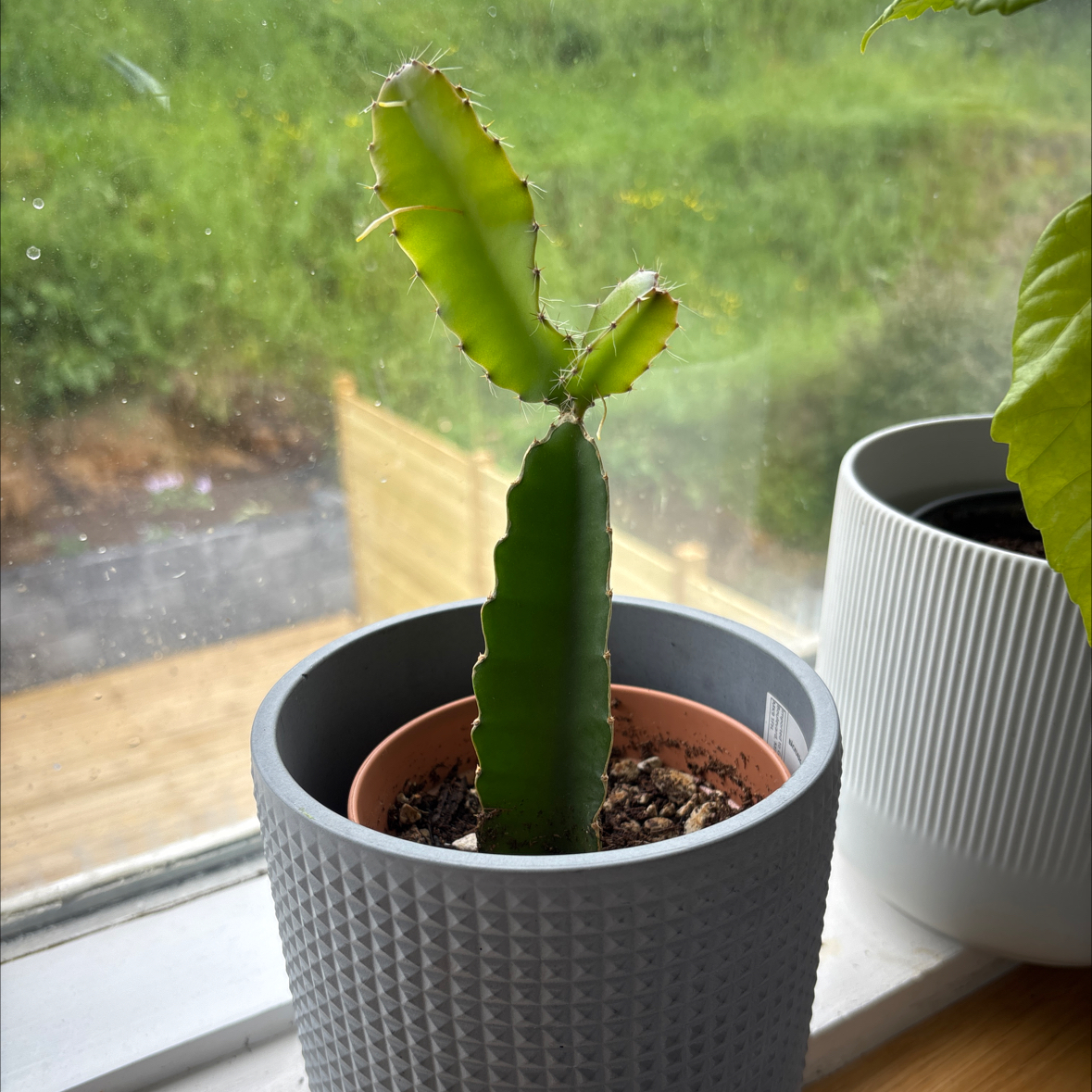
Potted dragonfruit plant with a long, slender stem in a well-drained soil.

Assessing the Root System

Inspecting the root system is crucial to determine if your Dragonfruit is screaming for a new home. Gently remove the plant from its pot; a root-bound cactus will make you work for it.

🌱 Root-Bound Symptoms

Wilting leaves and stunted growth are your Dragonfruit's cry for help. Roots peeking out of the drainage holes? It's repotting time.

🩺 Health Check

Healthy roots are the color of fresh cream and springy to the touch. Dark, mushy roots spell trouble – think root rot or disease.

🚧 Damage Control

If the roots are circling the pot like a botanical tornado, they're choking themselves. Carefully tease them apart before repotting.

πŸ‘€ The Unseen Clues

Don't just look; feel the roots. A firm root ball suggests resilience, while a loose, wobbly one might mean your plant's on the brink.

🌟 Expert Tip

Snip away any dead or damaged roots with sterilized scissors. It's like giving your Dragonfruit a haircut before moving it into a new apartment.

Young dragonfruit plant in a clear plastic container with soil, held by a hand.

When to Repot Dragonfruit

Springtime is repotting season for dragonfruit. This period offers the plant a chance to recover swiftly as it enters its growth phase.

🌱 Best Time of Year

Spring offers the ideal balance of temperature and natural growth cycles for dragonfruit repotting. It's like a fresh start for both you and your spiky green buddy.

πŸ•° Considering Plant Age and Growth Rate

Younger plants might need a yearly shuffle into new pots, while older, more established ones can chill for about two years. Keep an eye on the growth rate; if your dragonfruit is sprinting in size, it's time to upsize its home.

Small dragonfruit plant in a white pot held by a hand, with visible soil.

How to Repot Dragonfruit

πŸ’‘ Preparing to Repot

Before you start, choose a pot that's 1 to 2 inches wider than the current one. Ensure it has drainage holes to prevent root rot.

πŸ’§ Step 1: Remove the Plant

Water the plant lightly the day before to keep the soil cohesive. Tilt the pot and gently coax the dragonfruit out. If it's stubborn, run a blunt instrument around the pot's interior.

🌱 Step 2: Inspect and Prune the Roots

Once out, examine the roots for any signs of decay or damage. Trim as necessary, but handle with care to avoid unnecessary harm.

🏞️ Step 3: Prepare the New Pot

Place a screening at the bottom for soil retention and proper drainage. Add a base layer of soil, formulated for succulents and cacti, to support the plant.

🌿 Step 4: Repotting

Set the dragonfruit in the center and fill around it with moist potting mix. Leave about an inch of space at the top. Firm the soil gently to secure the plant and eliminate air pockets.

πŸ’¦ Step 5: Aftercare

Water the plant thoroughly after repotting. Then, place it in a location with partial shade to recover. Keep an eye on the moisture level and adjust as needed.

Pot Material Options for Dragonfruit

Selecting the right pot for your dragonfruit is a bit like choosing the perfect pair of shoesβ€”crucial for support, but with a bit of personal style. Let's dive into the options.

🏺 Terracotta Pots

Terracotta is the classic choice, a bit like the reliable old boots of the plant world. Its porous nature offers breathability, pulling excess moisture away from the soil and helping prevent the dreaded root rot. Just remember, they're hefty, so think twice if you plan on playing musical chairs with your plant's location.

πŸ‘Ÿ Plastic Pots

Plastic pots are the sneakers hereβ€”lightweight and versatile. They retain moisture longer, which can be a blessing or a curse, depending on your watering habits. Overzealous with the watering can? You might want to think twice.

πŸ‘Ÿ Fabric Pots

Then there's the fabric pot, the trendy newcomer akin to those breathable running shoes everyone's raving about. They promote air pruning and offer great drainage, but they can make a bit of a mess as they don't hold water in. Also, they're not the sturdiest, so if your dragonfruit is a hefty beast, they might not cut it.

The Drainage Imperative

Regardless of your material choice, drainage is the hill to die on. Without it, you're setting your plant up for a soggy demise. If you're smitten with a pot that lacks holes, grab a drill and get to workβ€”your dragonfruit will thank you.

Remember, the pot is more than just a home for your plant; it's part of its life support system. Choose wisely, and you'll be rewarded with a thriving dragonfruit that's as happy as a clam at high water.

Terracotta Pots

Terracotta pots are the old reliables of the plant world, and for good reason. They're like the denim jeans of gardening: classic, hard to mess up, and they go with just about everything.

πŸ’¨ Breathability

Terracotta's porous nature is a win for dragonfruit plants, which prefer to avoid soggy roots. The material allows air to flow to the roots, keeping them happy and healthy.

πŸ—οΈ Stability

These pots are sturdy. They won't tip over when your dragonfruit gets top-heavy with fruit or growth, providing a solid foundation for your plant's skyward ambitions.

πŸ’§ Moisture Regulation

Thanks to terracotta, overwatering is less of a death sentence. The pots wick away excess moisture, reducing the risk of root rot. It's like having a built-in safety net for watering mishaps.

🎨 Aesthetic and Practicality

Let's not forget they look pretty darn good too. Terracotta has a timeless appeal that fits into any garden or balcony scene without stealing the spotlight from your dragonfruit's show-stopping appearance.

πŸ› οΈ Maintenance Tips

But they're not invincible. Terracotta can accumulate salt deposits from water and fertilizer, so give them a scrub now and then. And beware of frost – terracotta can crack if it gets too chilly.

Remember, while terracotta is a solid choice, it's not the only pot on the block. Always consider your environment and care habits when choosing a home for your dragonfruit.

Plastic Pots

πŸ’ͺ Advantages of Plastic Pots

Plastic pots are the gymnasts of the pot world: flexible, lightweight, and they come in all the colors of the rainbow. They're a breeze to move around, which is a godsend when your Dragonfruit decides to bulk up. Plus, they're kind to your wallet, which means more money for your Dragonfruit's fancy soil mix.

β˜” Disadvantages of Plastic Pots

But it's not all sunshine and rainbows. Plastic pots can be a bit of a stage-five clinger when it comes to water. They hold onto moisture like a toddler with a security blanket, which can spell disaster for your Dragonfruit's roots. Overwatering and root rot can creep up on you if you're not vigilant, turning your tropical paradise into a soggy mess.

πŸ’¬ Real Talk on Plastic Pots

Let's get real: plastic pots won't win any awards for breathability. Your Dragonfruit's roots might feel a bit stifled, craving that sweet, sweet oxygen. And while we're keeping it 100, let's not forget that plastic can be a bit of an environmental no-no. If you're eco-conscious, this might weigh on your conscience like a lead balloon.

🌡 Tips for Using Plastic Pots

If you're set on plastic, make sure those pots have drainage holes that could make a colander jealous. Pair them with a well-draining soil mix that's as loose as a goose, and you'll mitigate those water retention issues. Remember, it's all about giving your Dragonfruit the right amount of hydration without drowning it in love.

Fabric Pots

Fabric pots, often known as grow bags, offer unique advantages for dragonfruit cultivation. They facilitate air pruning, which naturally restricts root growth, preventing the plant from becoming root-bound. This process encourages the development of a dense network of healthier, fibrous roots, which can enhance nutrient uptake and overall plant vigor.

🌱 Air Pruning and Temperature Regulation

Air pruning occurs when roots reach the edge of a fabric pot and are exposed to air. This exposure causes the roots to dehydrate and naturally prune themselves, stimulating the growth of new feeder roots within the pot. Temperature regulation is another perk; the breathable fabric allows heat to dissipate, keeping roots cooler in hot climates.

🚱 Limitations of Fabric Pots

Despite their benefits, fabric pots are not without their drawbacks. They require more frequent watering due to increased air flow, which can dry out the soil more quickly than in traditional pots. Additionally, while high-quality fabric pots can last several years, they may not have the longevity of terracotta or plastic options.

πŸ› Choosing Quality

When selecting a fabric pot, look for durable materials that resist degradation. Some are designed with handles for easier movement, a useful feature given the size and weight of a mature dragonfruit plant. Remember, the quality of the fabric influences moisture retention and the overall lifespan of the pot.

πŸ€” Practical Considerations

It's crucial to balance the benefits of fabric pots with the practical aspects of dragonfruit care. If you live in a hot, dry climate or can't commit to more regular watering, a fabric pot may not be the best choice. However, for those seeking to optimize root health and plant growth, fabric pots are a worthy option to consider.

Potential Challenges and Mistakes to Avoid

πŸŒ‹ Common Repotting Challenges

Repotting your Dragonfruit can feel like defusing a bomb – one wrong move and boom – you've got a mess on your hands. Root damage is the ticking time bomb here. When you're excavating your plant from its old home, be as gentle as Sherlock Holmes on a crime scene. Those roots are as fragile as a house of cards.

🚱 Mistakes to Dodge

Overwatering post-repot is like throwing your plant a pool party without a life jacket. It's a no-go. Give your Dragonfruit time to acclimate to its new pot before you bring on the waterworks. And speaking of the pot, size matters. Too big and your plant's swimming in soil; too small and it's cramped like a sardine. Find that Goldilocks zone.

🌱 Soil and Potting Mix

Don't just shovel any old dirt into your new pot. Soil conditions are key. Your Dragonfruit's roots crave a mix that's as balanced as a gymnast on a beam – think well-draining but moisture-retentive.

🚧 Avoiding Overcrowding

Trying to create a lush look by jamming plants together? Bad move. Each Dragonfruit needs its personal space to thrive. Overcrowding is the fast track to stunted growth and a sad, fruitless existence.

πŸ•΅οΈβ€β™‚οΈ Root Health Inspection

When you're checking the roots, you're looking for a healthy, creamy color – not a scene from a horror movie. Black or mushy roots are a sign of root rot. If you smell something foul, it's not just last night's fish; it's a cry for help from your plant's roots.

🌱 Transplant Depth

When you're tucking your Dragonfruit into its new pot, don't bury it alive. The right transplant depth ensures your plant isn't too deep or sitting too high, like a kid at an adult's table.

πŸ› οΈ Overcoming Challenges

If you hit a snag, don't panic. Adjust your approach, maybe lighten up on the watering, or switch up the soil mix. It's all about being as adaptable as a chameleon in a bag of Skittles.

Remember, repotting is more art than science. With a bit of finesse and a lot of attention to detail, your Dragonfruit will be living its best life in its new pot.

Aftercare for Repotted Dragonfruit

After repotting your Dragonfruit, the real work begins. It's critical to strike the right balance in aftercare to help your plant thrive in its new home.

πŸ’§ Watering

Start by watering thoroughly; this settles the soil around the roots and eliminates air pockets. However, don't drown your Dragonfruit. The soil should feel moist, not soggy. Stick a finger in; if the top inch is dry, it's time to water again. Remember, overwatering is the fast track to root rot, especially during this vulnerable time.

🌀 Sunlight and Placement

Your Dragonfruit craves sunlight, but right after repotting, it's a bit like a vampire at dawnβ€”too much direct light can be harmful. Give it a partially shaded spot for a week to recover from the shock of repotting. Gradually reintroduce it to its usual sunny spot, ensuring it gets at least 6 hours of sunlight daily.

πŸ‘€ Monitoring and Adjusting

Keep a close eye on your Dragonfruit. Signs of stress, such as drooping or yellowing leaves, call for action. If you notice these, reassess your watering schedule and the amount of light it's getting. Adjust as necessary; your plant's feedback is more reliable than any guide.

🌱 Fertilizing

Hold off on the fertilizer for at least a month. When you do start, opt for a balanced fertilizer and consider diluting it to half strength. This will provide nutrients without overwhelming the roots.

πŸ’¦ Humidity

Dragonfruit doesn't need tropical humidity, but it doesn't want to live in a desert either. If your indoor air is dry, consider misting the leaves or using a humidifier. Just don't turn your plant's environment into a steam room.

πŸ•° Patience is Key

Finally, be patient. It can take a few weeks for your Dragonfruit to show signs of new growth, which is the ultimate sign of successful repotting. Keep up the good care, and soon enough, you'll see your Dragonfruit flourish in its new pot.

⚠️ Safety First

This content is for general information and may contain errors, omissions, or outdated details. It is not medical, veterinary advice, or an endorsement of therapeutic claims.

Always consult a qualified healthcare professional before using any plant as food, medicine, or supplement.

Never eat any plant (or feed one to pets) without confirming its identity with at least two trusted sources.

If you suspect poisoning, call Poison Control (800) 222-1222, the Pet Poison Helpline (800) 213-6680, or your local emergency service immediately.

Spotted an error? Please report it here.

Repot your dragonfruit with confidence and let Greg's tailored reminders 🌱 guide you through the perfect post-repotting care schedule for robust growth.


You Might Also Want to Know...

Should I repot my dragonfruit seedlings?

Yes, it is necessary to repot dragonfruit seedlings in order for them to grow properly.

What kind of soil mixture should I use when repotting dragonfruit seedlings?

A mixture of perlite, river sand, vermicompost, and a little bit of cocopeat is recommended for repotting dragonfruit seedlings.

Do I need to add fungicide when repotting dragonfruit seedlings?

Yes, it is important to add fungicide when repotting dragonfruit seedlings.

Why is it important to use a small pot when repotting dragonfruit seedlings?

Using a small pot is important because the plant is still small and needs a proportionate pot size.

How should I water the repotted dragonfruit seedlings?

It is recommended to use a spray bottle to water the repotted dragonfruit seedlings, and to avoid pouring water directly on top of the plant.

Can I repot multiple dragonfruit seedlings together?

It is best to avoid repotting multiple dragonfruit seedlings together to prevent any damage to the root system.

When should I keep the repotted dragonfruit seedlings inside the house?

After repotting, it is advisable to keep the dragonfruit seedlings inside the house for some time before moving them outside.

What should I do if some of the dragonfruit seedlings are sticking together?

If some of the dragonfruit seedlings are sticking together, it is better to leave them as they are to avoid damaging the root system.

Is repotting dragonfruit seedlings an experiment?

Yes, repotting dragonfruit seedlings can be considered an experiment to see how they grow.