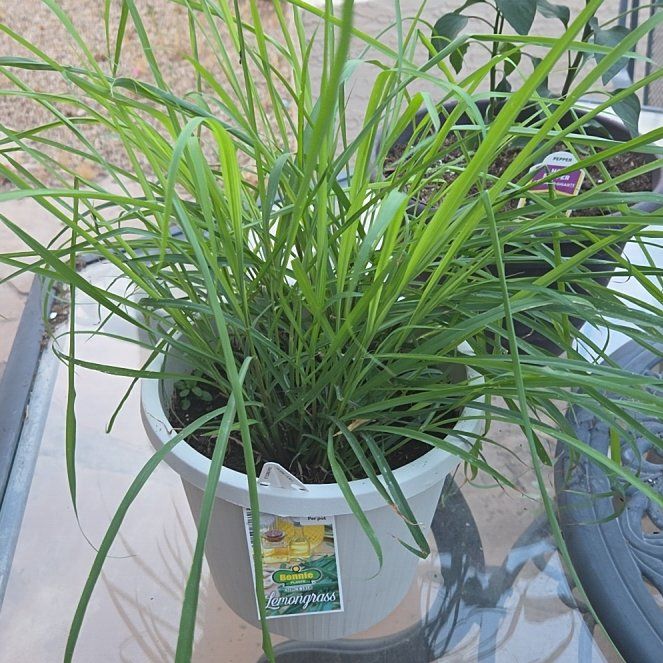
Lemon Grass

How to Prune Lemon Grass

Cymbopogon citratus
Reviewed by Kiersten Rankel M.S.
Quick Answer
Cut Lemon Grass back to about 6 inches from the ground in early spring before new growth starts. Remove dead outer stalks throughout the season as they yellow and dry. Never remove more than two-thirds of the clump at once to avoid shocking the plant.

When is the best time to prune?

Lemon Grass is a tropical clumping grass that thrives in warm climates, so pruning timing shifts based on how cold your winters get and when new growth resumes.

US pruning regions map
Pacific
Feb–Mar
Mountain
May–Jun
Midwest
Apr–May
Northeast
Apr–May
Southeast
Feb–Mar
Stay on top of plant care
Get seasonal reminders for watering and fertilizing — personalized for your plants.
Try Greg Free

Why Should I Prune My Lemon Grass?

Lemon Grass forms dense clumps that accumulate dead outer stalks over time. Without pruning, the dead material builds up, the base gets woody, and airflow through the clump drops, which can invite fungal problems.

The main annual task is a hard cut-back in early spring, just before new stalks emerge from the base. Cutting the whole clump down to 6 inches removes the accumulated dead material and encourages a flush of fresh, strongly scented growth.

Throughout the growing season, pull away or snip yellowing outer stalks as they appear. These dry stalks are spent and won't green up again. Removing them keeps the clump looking tidy and prevents the base from becoming too dense.

Wear gloves when pruning Lemon Grass. The leaf edges are sharp enough to cause small cuts on bare hands.

Know Before You Cut

Difficulty Easy
Max removal Down to 6 inches in spring; outer dead stalks anytime
Growth pattern Clumping grass
Tools Loppers or shears, gloves

What Should I Remove?

Cut entire clump to 6 inches in early spring
Remove yellowing or dead outer stalks throughout season
Wear gloves to protect hands from sharp leaf edges
Clear all cut material away from the base
Don't prune in fall or winter in zones 10-13
Don't remove more than two-thirds of the clump at once
Don't cut below soil level

How Do I Prune Step by Step?

1
Put on gloves before you start
Lemon Grass leaf edges are surprisingly sharp. Heavy gloves protect your hands throughout the process.
2
Gather the clump and cut straight across
Bundle the stalks together with one hand and cut across with loppers or heavy shears at about 6 inches above the soil. One clean cut is easier than cutting stalk by stalk.
3
Remove any remaining dead outer stalks
After the main cut, pull away any dried outer stalks that are still attached at the base. They should come free with a firm downward tug.
4
Clear debris from the base
Remove all cut material from around the crown. Leaving dead stems piled at the base can hold moisture and encourage rot or pests.
5
Water the clump after cutting
A good watering after the hard cut-back helps the plant push new growth. New stalks should emerge from the base within a few weeks once temperatures warm.

Got More Questions?

Can I prune Lemon Grass in fall?
In zones 10-13, where it stays warm year-round, light tidying is fine in fall. In cooler climates where it dies back, wait until early spring when you can see new growth starting rather than cutting in fall, since the old stalks provide some frost protection.
What if I cut my Lemon Grass too short?
It will recover. Lemon Grass is vigorous and grows back readily from the base as long as you don't cut into the soil. Even a very hard cut-back in spring is unlikely to kill an established clump.
How do I know which stalks to remove during the season?
Outer stalks that are fully yellow, dry, or papery are spent and won't green up again. Inner stalks that are still green or pale yellow-green are alive and should stay.
Can I harvest Lemon Grass at the same time I prune?
Yes. The thick, pale inner stalks near the base are the part used in cooking. You can harvest them while doing your spring cut-back or any time they are large enough, about the diameter of a pencil or thicker.
Stay on top of plant care
Get seasonal reminders for watering and fertilizing — personalized for your plants.
Try Greg Free

About This Article

Kiersten Rankel M.S.
Botanical Data Lead at Greg · Plant Scientist
About the Author
Kiersten Rankel holds an M.S. in Ecology & Evolutionary Biology from Tulane University. A certified Louisiana Master Naturalist, she has over a decade of experience in science communication, with research spanning corals, cypress trees, marsh grasses, and more. At Greg, she curates species data and verifies care recommendations against botanical research.
See Kiersten Rankel's full background on LinkedIn.
Editorial Process
Pruning guidance verified against Cymbopogon citratus growth data from Greg's botanical database, cross-referenced with USDA hardiness zone data and published horticultural research.
1,673+ Greg users growing this plant
USDA hardiness zones 10a–13b
Grow plants with confidence