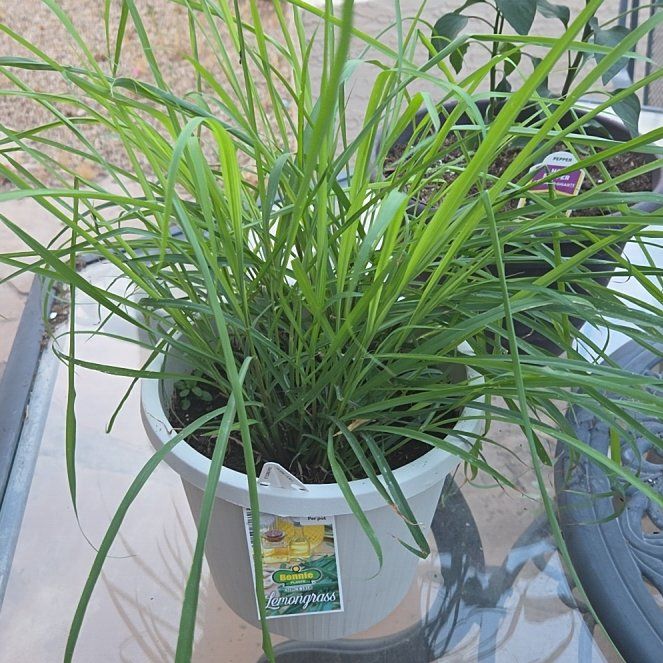
How to Grow a Lemon Grass
Plant Lemon Grass in full sun with rich moist soil, water two to three times a week, and feed monthly. The clump bulks up fast in heat, ready to harvest 90 to 100 days from planting. Below zone 9, grow in a container that moves indoors before frost.

Where to plant
Lemon Grass is a tropical clumping grass hardy outdoors year-round in USDA zones 9 through 11. In zones 8 and colder, grow as an annual or in a container that overwinters indoors. A single clump fattens to 3 to 4 feet tall and wide in one season under good conditions.
Sun
Six or more hours of direct sun is the minimum for vigorous growth. Eight or more hours produces the fastest bulking and the most fragrant stalks.
Indoors over winter, set the pot at the brightest south-facing window in the house and add a grow light if the daily light drops below six hours through short days.
Drainage
Lemon Grass tolerates more moisture than most herbs, but standing water in winter rots the clump from the base. Beds or pots must drain freely after a soak. Heavy clay yards benefit from a raised mound or a large container with drainage holes.
Soil
Rich loamy garden soil with plenty of organic matter is ideal. Work two to three inches of compost into the planting area before setting in the clump. A container needs a quality potting mix with a third part compost stirred in.
Space
Give the clump at least 3 feet of clear space in every direction. The leaves arch outward and can shade nearby plants by midsummer. A 5-gallon or larger pot suits a single clump for one growing season.
How to plant
Plant in spring once nights stay above 55 F. Lemon Grass sulks in cool soil and only takes off when the heat arrives. Start with a nursery clump or a rooted stalk from the grocery store, since seed-grown plants are slow and uneven.
-
1Pick the right stalks if rooting from grocery store Choose firm fresh stalks with the base intact. Trim the leafy tops back to 3 inches and stand the stalks in an inch of water on a sunny windowsill. Roots appear in 1 to 2 weeks. Once roots are at least an inch long, the stalk is ready for soil.
-
2Dig or fill the planting hole Dig a hole twice as wide as the root mass and just as deep, or fill a 5-gallon pot two-thirds full with rich potting mix. The clump needs lateral room for new shoots to spread outward from the base.
-
3Set the clump at the same depth The top of the root ball should sit level with the surrounding soil. Buried crowns are slow to send up new shoots and can rot in wet weather.
-
4Backfill and firm gently Use the dug soil amended with a few handfuls of compost. Press the soil down around the base with your palms to remove air pockets without compacting the root zone.
-
5Water in deeply Soak the root zone until water runs off the surface. This first watering settles the soil around the roots and starts the clump growing.
-
6Mulch two inches deep Straw, grass clippings, or shredded bark all work. Mulch keeps the soil warm and moist while the clump establishes, both of which speed the first month of growth.
Watering and feeding
Watering
Water two to three times a week through the growing season, keeping the soil consistently moist but never soggy. The grass shows wilting fast in dry conditions and bounces back quickly with a soak.
Containers dry out fast in summer heat and may need a daily check. A 5-gallon pot in full sun in July often needs water every day. The clump tolerates more water than most herbs, so erring slightly on the wet side is fine in summer.
Feeding
Feed monthly with a balanced fertilizer or weekly with a half-strength liquid feed. The grass is heavy nitrogen feeder during active growth and responds visibly to a regular schedule with broader leaves and more new shoots.
Pull back on feeding in fall as growth slows. Container-grown clumps overwintering indoors do not need feeding from October through February.
Pruning
Lemon Grass needs very little pruning. The clump self-prunes by letting older outer leaves brown off as fresh ones rise from the center. The main task is removing the dried leaves a few times a season and cutting the whole clump back at the end of the growing season.
Cleaning up brown leaves
Pull or cut away dried brown leaves at the base of the clump every few weeks. Tidy leaves let air circulate through the middle of the clump and reduce hiding spots for spider mites. Wear gloves since the leaf edges are sharp.
End-of-season cutback
After a hard frost in zones where Lemon Grass dies back, cut the whole clump down to 4 inches above the ground. In zones 9 and warmer, cut back in late winter before new growth begins. The clump returns thicker and more vigorous the next spring.
Save the leafy tops from the cutback for tea. Dry them on a screen out of direct sun and store in a sealed jar for up to a year.
Dividing crowded clumps
Every two to three years, dig the clump in spring and pull or cut it into three or four sections, each with its own roots and several stalks. Replant one section in the original spot and pot up or share the others. Division refreshes vigor and produces fatter cooking stalks.
Harvest
Lemon Grass produces harvestable stalks 90 to 100 days from planting in warm weather. The pale base of each stalk is the cooking part, fragrant with citrus and a hint of ginger. A healthy clump yields a dozen or more stalks through the season.
When stalks are ready
Look for stalks at least the thickness of a pencil at the base, ideally as thick as a finger. Thinner stalks are usable but yield less of the tender cooking core. The clump bulks up through summer, so a slow start in cool June often turns into heavy August harvests.
Picking and storing
Twist and pull a stalk straight up from the base of the clump or cut at ground level with a sharp knife. Trim off the leafy top for tea and use the pale bottom 4 to 6 inches in cooking.
Fresh stalks hold for two weeks wrapped loosely in damp paper in the refrigerator. For longer storage, freeze whole stalks in a sealed bag for up to a year. Frozen stalks lose no flavor.
Tea from the leaves
Snip leafy tops at any time of the growing season for fresh or dried tea. Steep a small handful of chopped fresh leaves in hot water for 5 to 7 minutes for a citrusy herbal infusion. The leaves dry well on a screen out of direct sunlight and store in a sealed jar.
Common problems and pests
Most Lemon Grass troubles trace back to cool soil, too little water, or overwintering indoors with low light. Pest pressure outdoors is light.
Slow growth in early summer
Cool soil and cool nights below 55 F stall the clump. Mulch warms the root zone and a black plastic ground cover speeds things further in cold-summer climates. The plant takes off as soon as nights warm into the 60s F and a slow June often turns into a dense August clump.
Yellowing lower leaves
Older leaves yellow and brown naturally as new shoots rise from the center. A general yellow cast across the whole clump signals nitrogen deficiency, which a feeding corrects within a week. Sudden yellowing all at once after a wet spell points to root rot, which calls for better drainage.
Tips browning in midsummer
Drought stress between waterings. Lemon Grass shows tip burn fast when the soil dries out. Mulch the base, water more often, and check container drainage to make sure water reaches the bottom of the pot.
Stalks too thin to use
Insufficient light or insufficient feeding. The grass needs at least six hours of direct sun and steady fertility to fatten the stalks. Move container-grown plants to the sunniest available spot and start a weekly half-strength liquid feed. Thin stalks fatten over two to three weeks once conditions improve.
Spider mites on leaves
Tiny mites cluster on the underside of leaves and cause fine pale stippling on the upper surface. They love hot dry indoor conditions over winter and on hot midsummer days outside. Shower the plant with a strong spray of water and raise local humidity. Repeat every few days through the hot spell.
Rust spots on leaves
Orange or brown pustules on the leaf surface from a fungal rust, common in humid weather with poor airflow. Cut affected leaves at the base and discard. Thin the clump to improve airflow and water at the soil level rather than overhead. Severe outbreaks respond to a copper fungicide.
Aphids on new shoots
Small green or black insects cluster on new growth in spring. Knock them off with a strong water spray. Heavy infestations respond to insecticidal soap. Outdoor clumps usually attract enough ladybugs to control aphids without intervention.
Whole clump collapses after winter
Frost killed the crown in a borderline-hardy zone. Lemon Grass survives outdoors in zone 9 with a heavy mulch and the base protected, but a hard freeze below 25 F kills the clump even when mulched. In colder zones, treat as an annual or dig and pot before the first frost.
Stunted growth in a container
Root-bound roots have filled the pot, leaving no room for new shoots. Divide the clump in spring and repot a division in fresh mix, or step up to a pot at least one size larger. Lemon Grass roots fill a 5-gallon pot in a single season under good conditions.
About This Article
