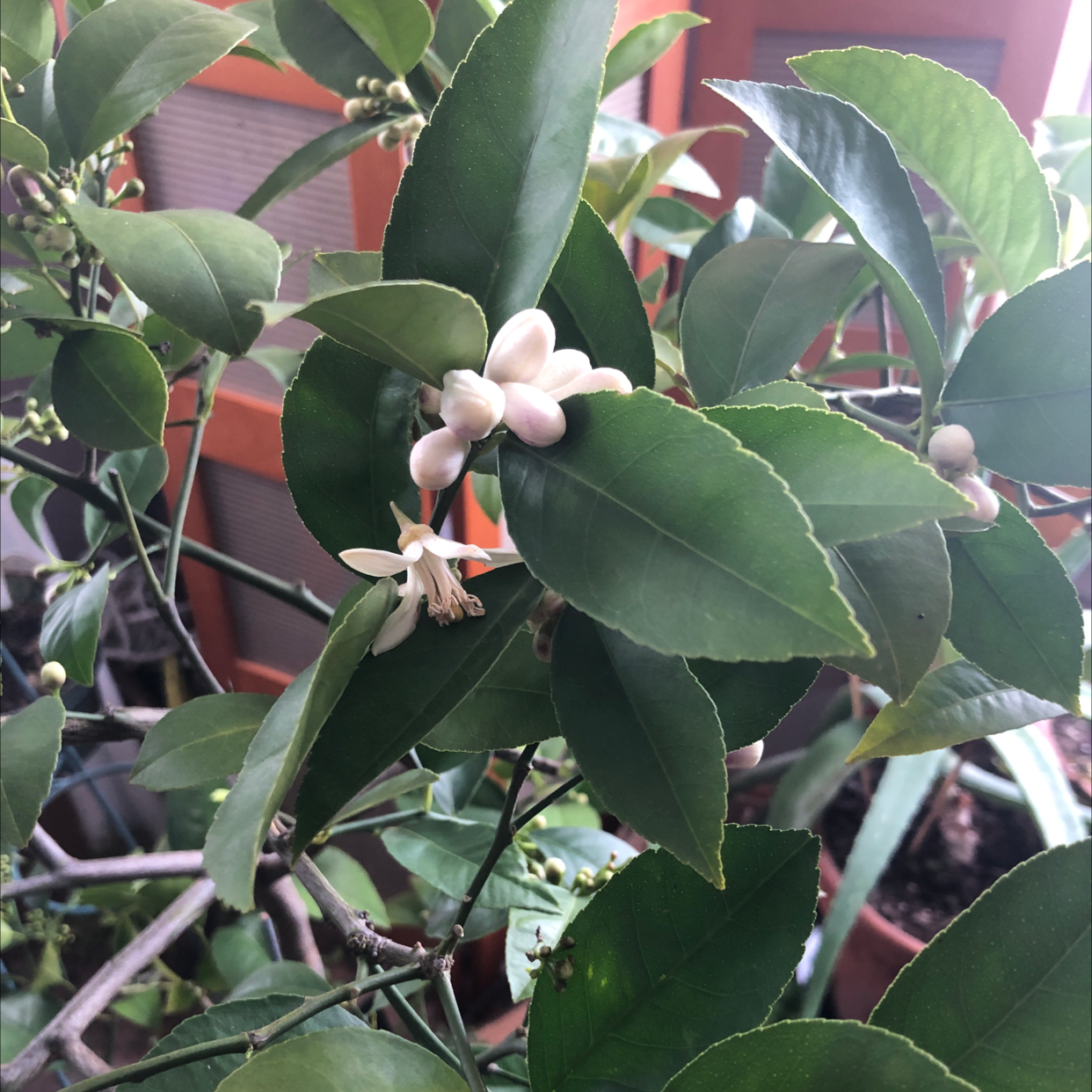
How to Grow a Lemon Tree
Plant a Lemon Tree in full sun and well-drained slightly acidic soil. Below USDA zone 9, grow it in a pot so it can move indoors before frost. Water deeply once the top inch dries out, feed monthly with citrus fertilizer, and expect first fruit in year two or three from a grafted nursery tree.

Where to plant
Lemon Trees are evergreen subtropicals hardy outdoors in USDA zones 9 through 11. Below zone 9, plan from the start to grow the tree in a pot so it can move indoors for winter. In the ground, a mature tree reaches 10 to 20 feet tall and roughly as wide. In a pot, it stays around 4 to 8 feet depending on the container size and pruning.
Sun
Full sun, meaning eight or more hours of direct light a day. Less than six hours produces weak growth, few flowers, and almost no fruit.
Indoors, place the pot in front of the brightest south- or west-facing window in the home. A grow light placed 12 inches above the canopy for 12 hours a day fills in for a dim winter window.
Drainage
Well-drained soil is non-negotiable. Standing water at the roots is the fastest way to kill a Lemon Tree. In the ground, dig a one-foot test hole and fill it with water. If it sits overnight, build a raised mound 12 inches above grade and plant on top of it. In a pot, the container must have drainage holes and the saucer should be emptied after every watering.
Soil
Slightly acidic, loose, and rich in organic matter is the target. In the ground, work compost and a few handfuls of pine bark fines into the planting area. In a pot, use a citrus or cactus mix amended with extra perlite, since standard potting soil holds too much water for a citrus root system.
Space
In the ground, give the tree at least 10 feet of clear space in every direction. Lemon Trees are self-fruitful, meaning a single tree produces fruit on its own without a pollinator partner. In a pot, choose a container at least 16 inches across to start, and step up one size every two to three years as the tree grows.
How to plant
Plant a Lemon Tree in early spring after the last frost or in early fall once the worst summer heat has passed. Container-grown trees can go in any time during the growing season. Buy a grafted nursery tree at least 2 to 3 years old rather than starting from seed, since seed-grown lemons take 8 to 10 years to fruit and rarely come true to the parent.
-
1Dig a wide shallow hole Twice as wide as the root ball and only as deep as the root ball is tall. Lemon Tree roots spread sideways, and a wide saucer-shaped hole helps them establish faster than a narrow deep one. For a pot, choose a container at least 4 to 6 inches wider than the root ball.
-
2Inspect the roots Slide the root ball out of the nursery pot and look for thick roots circling the outside. Gently tease any circling roots outward or score the outside of the root ball with a knife. Circling roots never straighten on their own and eventually choke the tree.
-
3Find the graft union Look for a slight bend or scar a few inches above the roots. This is where the lemon variety was grafted onto the rootstock. The graft union must stay above the soil line forever. A buried graft union encourages the rootstock to send up shoots that hijack the tree.
-
4Set the tree at the right depth Position the root ball so the top sits about an inch above the surrounding soil or potting mix. The tree settles as the soil compacts, and a buried trunk flare rots faster than a high one.
-
5Backfill and water deeply Use native soil mixed with a little compost in the ground, or fresh citrus mix in a pot. Soak the root zone until the top six inches feel uniformly damp. The first watering is the most important one of the tree's first year.
-
6Mulch two to three inches deep Use shredded bark or wood chips, kept a few inches back from the trunk. Mulch keeps the shallow citrus roots cool and holds moisture between waterings. In a pot, a thin layer of pine bark on the surface helps too.
Watering and feeding
Watering
Water deeply when the top inch of soil feels dry to the touch, then let the top inch dry out again before the next watering. In the ground, that pattern usually means a deep weekly soak through the growing season and less in winter. In a pot, check every few days in summer and weekly in winter, since pots dry out faster than open ground.
Water at the base of the tree, not the leaves. Wet leaves invite fungal disease. Yellow leaves with green veins almost always signal a watering problem rather than a feeding one, so adjust water first before reaching for fertilizer.
Feeding
Lemon Trees are heavy feeders compared to most fruit trees. Use a fertilizer specifically labeled for citrus, which carries extra micronutrients like iron, manganese, and zinc that lemons need in higher amounts than most plants. Feed monthly from early spring through mid fall.
Skip feeding entirely from late fall through late winter, when the tree slows down. Indoor trees on a winter break also stop feeding. Yellow leaves with green veins usually signal iron or manganese deficiency, easily fixed with a citrus-labeled foliar spray.
Pruning
Lemon Trees do not need much structural pruning compared to other fruit trees. The main jobs are removing suckers from below the graft union, keeping the canopy open for air and light, and shaping the tree to fit its space. All pruning is best done in late winter or early spring before new growth pushes.
Removing suckers
Watch the trunk below the graft union for vigorous shoots growing straight up. These are suckers from the rootstock and produce inferior fruit or no fruit at all. Cut suckers off flush with the trunk as soon as they appear, year-round.
Thinning the canopy
Each spring, remove dead and broken branches, then thin a few crowded inward-facing twigs from the center of the canopy. Air and light moving through the tree reduce disease pressure and improve fruit color.
Avoid heavy cuts on a mature lemon tree. Citrus bark heals slowly, and large wounds invite gummosis. Cut back to a healthy outward-facing bud or to the branch collar where a side branch meets a main limb.
Shaping a potted tree
A potted Lemon Tree can be kept small with annual pruning. Cut the longest shoots back by about one third in late winter to maintain the size and encourage branching. Pinch the tips of vigorous new shoots through the growing season to keep the tree bushy. Avoid shearing, which chops through flower buds.
Harvest
A grafted nursery Lemon Tree usually produces its first fruit in year two or three after planting. Mature trees bear nearly year-round in the right climate, with multiple flushes of bloom and fruit at different stages on the tree at the same time.
When it's ready
Lemons ripen on the tree over several months, turning from green to fully yellow. Color alone is not enough since some lemons sweeten further after coloring. The fruit is ready when it feels heavy for its size and the skin gives slightly when squeezed. A small twist usually frees a ripe lemon. If the lemon resists, leave it a few more days.
Unlike most fruits, lemons hold well on the tree for weeks after ripening without dropping or going soft. The tree itself acts as the storage, so harvest as you need them rather than picking the whole tree at once.
Picking and storing
Twist the fruit gently or snip the stem with pruners just above the fruit. Avoid pulling, which can tear the bark.
Lemons keep at room temperature for about a week and in the refrigerator for 3 to 4 weeks. Juice freezes well in ice cube trays for longer storage, and the zest freezes in small jars too.
Bringing a potted tree indoors
In zone 8 and colder, move a potted Lemon Tree indoors before night temperatures drop below 50 degrees Fahrenheit. Acclimate the tree over a week by moving it to progressively shadier spots before bringing it inside, then place it in the brightest window in the home. Expect some leaf drop in the first week or two as the tree adjusts to lower indoor light. Cut watering back during the indoor stretch since growth slows.
Common problems and pests
Most Lemon Tree complaints involve yellow leaves, leaf drop, or fruit problems. Diagnosing the symptom correctly almost always points to either watering, feeding, or a pest issue.
Yellow leaves all over the tree
Most often a watering problem. Soggy soil drowns the roots and the tree cannot pull water up. Check that the soil drains freely and let the top inch dry out between waterings. A pot with no drainage hole or a saucer left full of water is the most common cause in container-grown trees.
Yellow leaves with green veins
Iron or manganese deficiency, common in alkaline soil or when feeding has been irregular. Apply a citrus-labeled foliar spray that includes micronutrients, and adjust the regular feeding to a fertilizer specifically formulated for citrus. Persistent veiny yellowing in a potted tree usually means the soil pH has drifted alkaline and the tree needs fresh acidic potting mix.
Leaves dropping suddenly
Stress reaction to a change in conditions. Common triggers include the move from outdoors to indoors in fall, a cold draft, sudden underwatering, or a swing in temperature. The tree usually recovers on its own once conditions stabilize. Avoid feeding a stressed tree, which makes recovery slower.
Sticky leaves and black sooty mold
Almost always scale or mealybugs feeding on sap and excreting sticky honeydew. Look closely at stems and the undersides of leaves for small bumps or white cottony tufts. Wipe individual pests off with a cotton swab dipped in rubbing alcohol. Heavier infestations respond to horticultural oil. The sticky residue and mold wash off with soapy water once the pests are gone.
Tiny webs on new growth
Spider mites, especially in dry indoor air. Hose the tree down thoroughly to dislodge them, then mist the leaves daily for a week. Insecticidal soap or neem oil sprayed on the undersides of leaves clears stubborn infestations. A small humidifier near an indoor tree helps prevent return visits.
Curled and silvered new leaves
Citrus leaf miner, a tiny larva that tunnels inside the new leaf. Damage is mostly cosmetic and mature trees tolerate it well. Pick off heavily mined leaves and discard them. Mature trees outgrow the damage, and the new flush of leaves later in the year usually looks fine.
Flowers without fruit
Lemons are self-fruitful, so pollination is rarely the issue. The usual cause is environmental stress at bloom time, like a heat wave or sudden cold, which makes the tree drop young fruit. A more common indoor cause is dry stagnant air, since pollen needs to move. Shake the tree gently each day during bloom or run a small fan in the room to move air and help pollen along.
Splitting fruit
Inconsistent watering, where the tree dries out and is then deeply watered, makes the rind expand faster than the inside and split. Settle into a steady watering pattern based on the dry-the-top-inch rule and apply a 2 to 3 inch mulch layer to even out soil moisture.
Greasy black spots on fruit
Greasy spot, a fungal disease that lives in fallen leaves and infects new ones during humid weather. Rake up and discard fallen leaves in fall, improve airflow by thinning the canopy in late winter, and water at the base instead of overhead. A copper-based fungicide applied in summer reduces infection in chronically affected trees.
Sap oozing from the trunk
Gummosis, a fungal disease that enters through wounds in the bark, often near the soil line. Scrape away the affected bark down to clean wood, let the area dry, and avoid piling mulch against the trunk. Trees planted with the graft union or trunk flare buried are far more prone, so check the planting depth and replant high if needed.
About This Article
