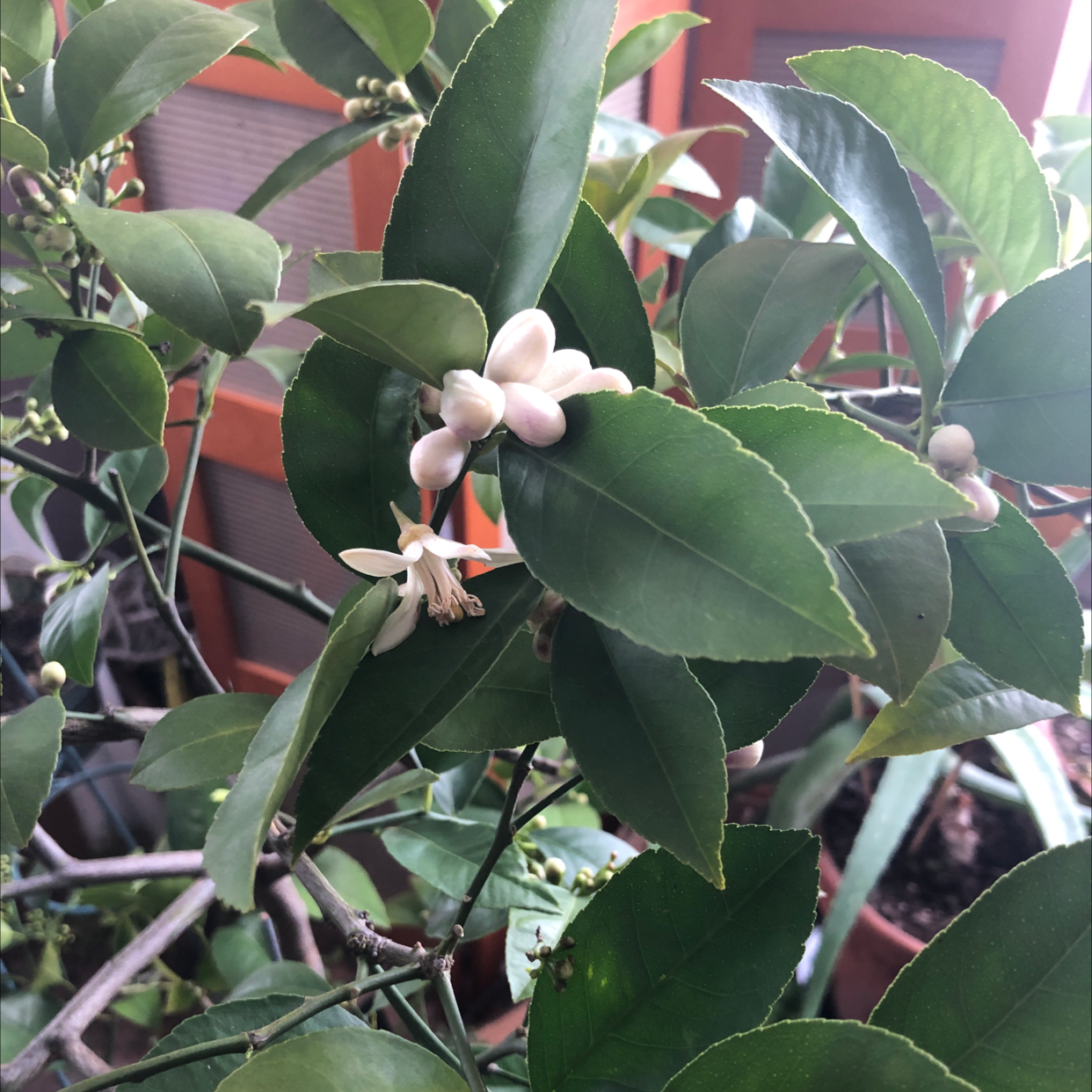
Best Pot for Lemon
What Size Pot Does a Lemon Tree Need?
Lemon trees form deep, woody root systems that need a tall pot with room to grow downward. Start with a pot just 1-2 inches wider than the current rootball. Going too large too fast leaves excess wet soil around the roots, which citrus cannot tolerate.
As your lemon tree matures, size up one pot at a time every 2-3 years. A mature container lemon typically ends up in a 20-25 gallon pot, which is about as large as you can practically move indoors for winter.
Choose a pot that is as tall as it is wide, or even slightly taller. Shallow pots force deep citrus roots to circle the bottom, which stunts growth.
What Material Pot Is Best for a Lemon Tree?
Citrus roots need excellent drainage and some airflow to stay healthy. They are highly prone to root rot in soggy conditions, so the pot material should help excess moisture escape rather than trap it.
Weight matters too. A large lemon tree in a heavy pot is nearly impossible to move, and most container lemons need to come indoors for winter in zones below 9a. Balance drainage needs with portability.
Lemon trees need excellent drainage and plenty of airflow around the roots. Unglazed ceramic is the classic citrus pot because it breathes well and wicks away excess moisture, keeping roots healthy.
Wood half-barrels are another time-tested option that insulates roots from both heat and cold. Fabric and plastic both work, though plastic pairs best with a very coarse, fast-draining soil mix.
Metal pots are a poor fit for outdoor lemon trees. They overheat in the full sun that citrus needs, damaging the fine feeder roots near the pot walls.

Does My Lemon Tree Need Drainage Holes?
Absolutely. Citrus trees are among the most drainage-dependent plants you can grow in a pot. Without drainage holes, water collects at the bottom and root rot sets in quickly, often before you notice any leaf symptoms.
Use a pot with multiple drainage holes, not just one small center hole. Elevating the pot slightly on pot feet or a wheeled plant caddy improves airflow under the container and keeps roots from sitting in runoff.
When Should I Repot My Lemon Tree?
Repot your lemon tree every 2-3 years in early spring, just as new growth begins. Citrus trees are not fast growers in containers, so they do not need annual repotting.
When you repot, go up only one pot size (2 inches wider). Use a citrus-specific or cactus potting mix that drains quickly. Regular potting soil holds too much water for citrus roots.
Be gentle with the rootball. Citrus roots are brittle and take time to recover from damage. If roots are circling the bottom of the old pot, loosen them slightly but do not tear them apart.
When Can I Plant My Lemon Tree in the Ground?
Lemon trees are hardy in USDA zones 9a through 11b. If you live in those zones, you can plant your lemon directly in the ground in spring after the last frost risk has passed. Choose a sunny, sheltered spot with well-draining soil.
In zones below 9a, keep your lemon in a container so you can bring it indoors before temperatures drop below 50F. Many growers move their potted citrus outside for summer and back inside to a bright window for winter. This works well as long as you acclimate the tree gradually over a week or two each time you move it.
Got More Questions?
About This Article
