π What To Do About Bugs on My Lemon?
Citrus x limon
By the Greg Editorial Team
Jun 18, 2024•10 min read
This article was created with the help of AI so we can cover more plants for you. May contain errors. See one? Report it here.
Protect your lemon tree's health and harvest with these vital pest-fighting strategies! ππ‘οΈ
- Identify pests early by checking leaf undersides for aphids, spider mites, and more.
- Natural controls work: Use ladybugs, water sprays, and pruning to fight infestations.
- Integrated Pest Management: Combine cultural, biological, and chemical strategies.
Identifying Common Pests on Lemon Trees
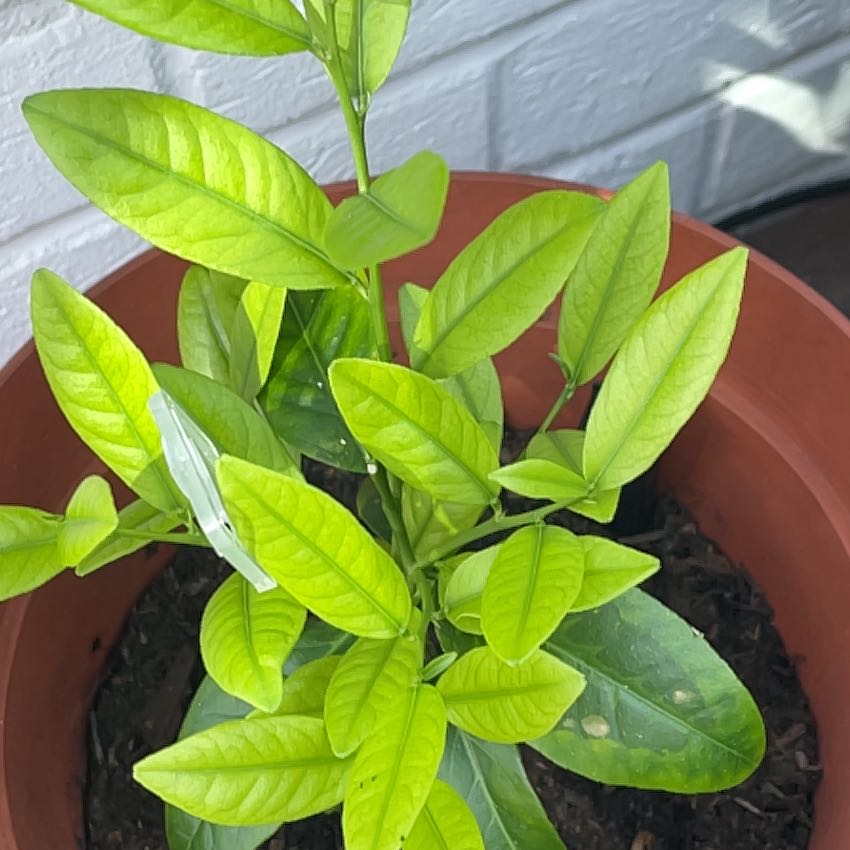
In the battle against pests, vigilance is your first line of defense. Recognizing a healthy lemon tree is straightforward: glossy leaves, robust growth, and blemish-free fruit. Conversely, signs of distress such as yellowing leaves, stunted growth, or damaged fruit often point to a pest problem.
π΅οΈ Signs of Pest Presence
Check the undersides of leaves; pests love to hide there. Look for sticky honeydew, a clear sign of sap-sucking insects like aphids. Trails or holes in the leaves can indicate caterpillars or citrus leaf miners at work.
π Common Culprits
Aphids are notorious for clustering on new growth, while spider mites leave fine webs and cause leaves to look dusty. Scale insects often resemble small bumps on stems and leaves, and mealybugs leave a cottony residue. Don't overlook the possibility of larger pests like rodents, which can gnaw on bark and roots.
π Tools for Detection
Arm yourself with a magnifying glass to spot the tiny terrors. Pay attention to the fruit, especially those shaded from the sun, as some mites prefer to feast on the rinds. Meyer lemons, with their sweeter flavor, can attract a unique suite of pests, including the citrus rust mite, which leaves silvery spots on the fruit.
π¨ Early Intervention
If you catch them early, physically removing affected leaves and fruit can curb the spread of pests. Prune away dead or unhealthy branches to prevent infestations from taking hold. Remember, a high-pressure hose can dislodge many pests, and introducing beneficial predators like ladybugs can provide natural control.
Stay proactive. Regular inspections and prompt action are key to maintaining the health of your lemon trees. Keep an eye out for recurring pests; if they return after previous eradication, it may be time to consider other treatment options.
Battling Spider Mites
π Spotting the Culprits
Tiny terrors, spider mites are nearly invisible but betray themselves with telltale webbing and leaf damage. Check the undersides of lemon tree leaves for fine silk and reddish-brown spots. Use a magnifying lens if you have to; these guys are masters of hide and seek.
π¨ Immediate Action
Upon discovery, isolate your lemon tree faster than a sneeze in flu season. Prune affected areas with no mercyβbetter to lose a leaf than the whole tree. Remember to clean your tools and hands afterward to prevent a mite mutiny.
πΏ Wash and Repeat
Give your plant a shower with room temperature water, focusing on the leaf undersides. It's like a spa day for your lemon tree but a nightmare for mites. Repeat every few days; consistency is key.
πΏ Natural Miticides
Mix up a herbal tea miticide with household spices, garlic, and a dash of soap. It's like brewing a potion to vanquish mini vampires. Spray diligently every three days for a couple of weeks, and watch the mites tap out.
πΌ Commercial Solutions
If DIY isn't your style, grab a plant-based miticide. Neem oil and rosemary oil are like the bouncers at the club, showing pests the door. Rotate products to keep mites guessing.
ποΈ Cut Your Losses
Sometimes, you've got to know when to fold 'em. If the infestation is more like an invasion, it might be time to discard the plant. Clean the area thoroughly before introducing any new plants to avoid a repeat performance.
π‘οΈ Prevention is Key
Keep leaves dust-free and plants well-watered. A stressed plant is a spider mite's all-you-can-eat buffet. Use a leaf shine product to keep things slick and unappetizing for pests.
π± Organic and Persistent
Insecticidal soaps or botanical insecticides can be your spot treatment sidekicks. But remember, it's a marathon, not a sprint. Repeat treatments are your mantra against these rapid breeders.
β’οΈ The Nuclear Option
If you're at your wit's end, predatory mites are like sending in the special forces. They'll take down spider mites with extreme prejudice. It's nature's way of saying, "Not today, mites."
Tackling Scale Insects
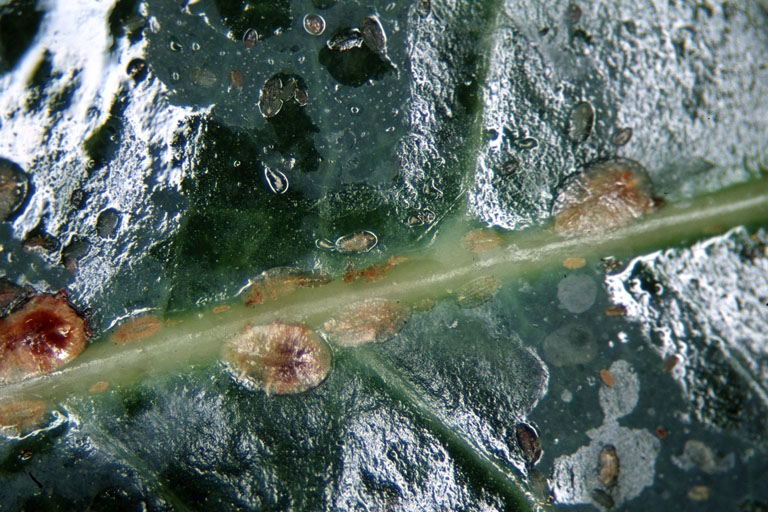
Recognizing scale insects is step one. They're sneaky critters, masquerading as bumps on your lemon tree's leaves and stems. Armored scales are the tough guys with a hard shell, while soft scales are the roamers, secreting a sticky honeydew that invites sooty mold.
π΅οΈ Identification
Look for brownish bumps or clusters along stems; these are your scales. Soft scales will be easier to spot as they move and drop off when dead, unlike their armored cousins.
π¨ Immediate Action
Act fastβthese pests multiply quicker than bad news spreads. If you spot a few, get your tweezers out and pluck them off. For a larger infestation, consider pruning to reduce their numbers and improve spray penetration.
πΏ Natural Remedies
Rubbing alcohol is your friend here. Dab it on with a cotton ball to break through their defenses. Insecticidal soaps and neem oil can also be effective, but remember to drench the tree thoroughly.
π Biological Warfare
Release ladybugs or introduce parasitic wasps if you're feeling like playing god. These natural predators love to feast on scale larvae.
β£οΈ Chemical Solutions
If you're going for the nuclear option, use pesticides like Imidacloprid or Acephate. But always read the labelβsafety first.
π Ant Control
Don't forget about the ants. They're the scale's sidekick, spreading them around like gossip. Control the ants, and you'll slow the spread.
π‘οΈ Prevention
Finally, prevention is key. Start with certified nursery stock to avoid bringing these pests home in the first place. Monitoring your lemon tree regularly is like checking your bank account; it's the only way to catch problems before they spiral.
Controlling Fungus Gnats and Fruit Flies
Fungus gnats and fruit flies can turn your lemon tree into an insect amusement park if not managed promptly. Here's how to reclaim your citrus sovereignty.
π Spot the Invaders
Fungus gnats resemble tiny mosquitoes and love to hover around damp soil and plants. They're a sign your lemon tree's soil might be too wet. Fruit flies, slightly larger, are attracted to fermenting fruit, not your plant's soil.
π Break the Cycle
Overwatering is a VIP pass for gnats. Let soil dry out between waterings to crash their breeding party. Cleanliness is next to gnatlessnessβremove decaying plant matter to avoid unwanted guests.
πͺ° Sticky Business
Yellow sticky traps are like fly paper promβgnats can't resist. Place them near your lemon tree to catch adult gnats looking for a dance.
π¦ Biological Warfare
Introduce nematodes or the fungus Beuaveria bassiana to the soil. These microscopic predators feast on gnat larvae, turning the tide in your favor.
π‘ Home Remedies
Mix one part hydrogen peroxide with four parts water and drench the soil. The fizzing sound? That's the sound of gnat larvae meeting their maker. A layer of sand on top of the soil can also help by keeping the surface dry and inhospitable.
π Chemical Interventions
If all else fails, consider Bacillus thuringiensis israelensis (BTi), found in mosquito dunks or granules. It targets larvae without harming your plant. Follow the package instructions for a strategic strike.
Remember, your lemon tree doesn't need a swampy base. Moderation in watering is key to keeping these pests at bay.
Eliminating Mealybugs
Mealybugs can turn your lemon tree into a sticky mess. Spotting these pests early is key; look for the telltale white, cottony masses on leaves and stems.
π΅οΈ Identification
Mealybugs are sap-sucking insects that leave behind a waxy residue. Yellowing leaves and stunted growth often signal their presence.
π¨ Immediate Action
Upon detection, isolate the affected plant. This prevents the mealybugs from staging a coup on your other greenery.
π¦ Physical Removal
Start with a strong water spray to dislodge the bugs. For stubborn pests, dabbing with alcohol-soaked cotton swabs works wonders.
βοΈ Pruning
If the infestation is severe, prune the affected areas. This can prevent a full-scale invasion.
π Natural Predators
Introduce ladybugs or lacewings to your garden; they're mealybug mercenaries.
πΆοΈ Homemade Solutions
A spray made of rubbing alcohol, a few drops of dish soap, and water can be effective. For a spicy alternative, try a jalapeΓ±o or cayenne pepper mixture.
β£οΈ Chemical Treatments
In extreme cases, insecticidal soaps or neem oil may be necessary. Always follow label instructions to avoid harming your plant.
πΏ Prevention
Prevent future mealybug meetups by inspecting new plants and practicing good hygiene with garden tools.
Remember, mealybugs are more of an annoyance than an apocalypse for your lemon tree. With vigilance and the right tactics, your citrus should remain unscathed.
Managing Aphids on Lemon Trees
π Early Detection is Key
Aphids are sneaky critters. They love to feast on the new growth of your lemon trees, often going unnoticed until they've formed a full-blown colony. Check regularly for these pear-shaped pests, focusing on the undersides of leaves where they like to hide.
π¦ The Water Works
Sometimes the simplest solutions are the best. A strong blast of water can knock aphids right off your plants. It's a quick, chemical-free method to reduce their numbers, but it's not a one-and-done dealβstay vigilant and ready to spray at the first sign of their return.
βοΈ Prune with Purpose
When aphids decide to throw a party on your lemon tree, it's time to crash it. Prune affected areas to disrupt their shindigs. Remember, though, this isn't just about cutting leaves; it's strategic surgery for the well-being of your plant.
π Natural Allies
Ladybugs aren't just cute; they're aphid-eating machines. Introducing beneficial insects can help keep the aphid population in check. It's like having your own garden security team, but they work for aphids instead of cash.
π§Ό Soap and Oil: The Dynamic Duo
Mix up a concoction of neem oil and a dash of soap. This dynamic duo can make life for aphids on your lemon trees pretty miserable. Spray judiciously, thoughβmore isn't always better.
πΈ Alcohol: Not Just for Happy Hour
A 50/50 blend of water and rubbing alcohol isn't just a cocktail for your hands. Spray it on your plants to give aphids a hangover they won't recover from. Just ensure your plant can handle the mix; we're not aiming for a plant hangover here.
π£ Insecticides: The Last Resort
When all else fails, it's time to bring out the big guns. Insecticides can be effective, but they're not to be taken lightly. Read the label, apply with care, and remember, you're not just targeting aphids but protecting your lemon tree's future.
Integrated Pest Management Strategies
Integrated Pest Management (IPM) is not your grandma's bug-squashing routine; it's a sophisticated dance of cultural, biological, and chemical steps to keep those lemon-loving pests in check.
π± Cultural Controls
Let's start with the basics: cultural controls. These are your everyday habits that make your lemon tree's environment less inviting for pests. It's like keeping your house tidy to avoid uninvited guests. Rotate crops, use resistant varieties, and keep the area free of debris. Think of it as setting the stage for a pest-resistant paradise.
π Biological Controls
Next up, biological controls. This is where you enlist an army of natural predators to take down your pests. Ladybugs, lacewings, and parasitic wasps are like the bouncers at the club of your lemon tree, showing the door to aphids and mites. It's nature's way of saying, "Not in my backyard!"
βοΈ Chemical Controls
Now, for the necessary evil: chemical controls. Use them sparingly and smartly. It's like antibiotics; you don't want to overdo it and end up with superbugs. Go for targeted strikes with low-toxicity options like neem oil or insecticidal soaps. And always read the labelβthose things are like the terms and conditions of pest warfare.
π§ Quarantine and Inspection
Finally, don't forget about quarantine and inspection. New plants can be Trojan horses for pests. Isolate them like they're coming from a pest-infested planet until you're sure they're clean. It's the equivalent of making sure your friends don't bring uninvited plus-ones to your party.
Remember, IPM is about being proactive, not reactive. It's a chess game, and you're playing for the long haul. Keep your moves strategic and your lemon trees will thank you.
β οΈ Safety First
This content is for general information and may contain errors, omissions, or outdated details. It is not medical, veterinary advice, or an endorsement of therapeutic claims.
Always consult a qualified healthcare professional before using any plant as food, medicine, or supplement.
Never eat any plant (or feed one to pets) without confirming its identity with at least two trusted sources.
If you suspect poisoning, call Poison Control (800) 222-1222, the Pet Poison Helpline (800) 213-6680, or your local emergency service immediately.
Spotted an error? Please report it here.