๐Ÿ› What's Eating Your Lemon

Citrus x limon

By the Greg Editorial Team

Jul 25, 20248 min read

This article was created with the help of AI so we can cover more plants for you. May contain errors. See one? Report it here.

Balance your lemon tree's charm with wildlife savvy for a lush, coexisting garden. ๐Ÿ‹๐ŸŒฟ

  1. ๐ŸฆŒ Deer and rodents threaten lemon trees, but are part of the ecosystem.
  2. ๐Ÿ‡๐Ÿฟ๏ธ Fencing and repellents help protect against rabbits, squirrels, and other critters.
  3. ๐Ÿ Encourage bees and butterflies for pollination, balancing ecosystem with lemon care.

Lemon Plant Appeal

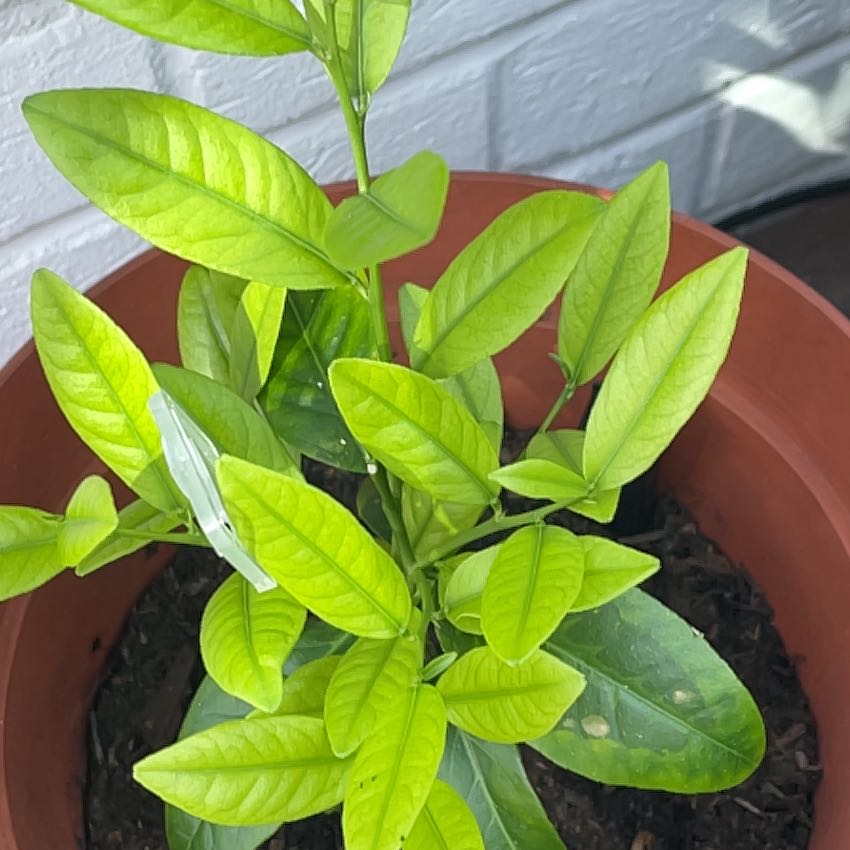
Lemons are more than just a culinary staple; they're a visual and olfactory delight in any garden. With glossy green leaves, fragrant white blossoms, and bright yellow fruits, lemon plants (Citrus limonia) are a feast for the senses.

  • Describing the Lemon Plant The lemon plant's vibrant green leaves sway gently in the breeze, while its white flowers emit a sweet, citrusy fragrance. When in fruit, the bold yellow of the lemons adds a pop of color that's hard to miss.

  • Attractive Lemon Parts to Animals Animals are drawn to various parts of the lemon plant, each with its unique appeal:

    • Leaves: Their glossy appearance and citrus scent can attract herbivores.
    • Flowers: The fragrant blossoms are magnets for bees and other pollinators.
    • Fruits: Ripe lemons serve as a food source for some wildlife, despite their potential toxicity to domestic pets like dogs and cats.

Deer Interactions

Spotting deer damage is straightforward once you know what to look for. Deer leave behind distinct signs, such as jaggedly torn leaves and twigs, as they lack upper incisors and tear at plants rather than cutting cleanly. You might also notice trampled vegetation, hoof prints, or even deer droppings near your lemon plants. During fall, look out for bark damage from antler rubbing, which can be more detrimental than browsing.

๐ŸฆŒ Deer: Friend or Foe?

Deer play a complex role in the garden. While they can cause significant plant damage, they are also an integral part of the local ecosystem. Understanding this duality is key. Deer are attracted to lemons for their nutritional value, especially in early spring or during stressful conditions like drought. However, their foraging can be harmful, stripping young shoots and damaging trees.

๐Ÿ›ก๏ธ Deer Deterrence Tactics

To protect your lemon plants from deer, employ a combination of strategies:

  • Use fencing that is high and angled to prevent jumping and crawling through gaps.
  • Apply both contact and area repellents to make plants less appealing.
  • Netting can help shield young trees from nibbling.
  • Be proactive; it's easier to deter deer before they make a habit of visiting your garden.
  • Since deer adapt, rotate deterrents to maintain effectiveness.
  • Aim for a reduction in damage rather than complete elimination, as deer are persistent creatures.

Rabbit Challenges

  • Identifying Rabbit Marks

  • Assessing Rabbit Impact

    • Rabbits reproduce rapidly, which can lead to a significant increase in plant damage over time.
    • They prefer tender, young growth, which can stunt the development of your lemon plants.
  • Rabbit Control Methods

    • Fencing: Erect a fine mesh fence at least 2 feet high around your lemon plants to keep rabbits out.
    • Habitat modification: Remove any potential rabbit shelters near your lemon plants.
    • Repellents: Apply organic or chemical repellents around the plants as a deterrent.
    • Timing: Implement control measures promptly, especially during peak breeding seasons to prevent population surges.

Squirrel Problems

๐Ÿฟ๏ธ Detecting Squirrel Presence

Squirrels are acrobatic and can often be spotted darting up and down lemon trees. Look for these tell-tale signs:

  • Chewed fruits or small bites taken out of lemons.
  • Scratches or small holes in the bark, where squirrels may have attempted to access sap.
  • Piles of nut shells or half-eaten lemons at the base of your tree.

๐Ÿ‹ Squirrels' Effect on Lemons

Squirrels can be quite the headache for lemon growers. They not only feast on the fruits but can also harm the tree itself:

  • They strip bark, which can lead to branch damage or even tree death.
  • Young shoots may be nipped off, affecting the tree's growth.
  • Harvests can be significantly reduced as squirrels pilfer lemons before they're ripe.

๐ŸŒฒ Squirrel Management Options

Managing squirrels requires a mix of ingenuity and persistence. Here are some effective strategies:

  • Use netting or cages to physically block squirrels from accessing the tree.
  • Apply taste deterrents or hot pepper sprays to make lemons less appealing.
  • Install motion-activated sprinklers or noise devices to startle and scare squirrels away.
  • For a more hands-off approach, encourage natural squirrel predators, like birds of prey, to frequent your garden.

Bird Encounters

Birds flitting around lemon trees can be a delightful sight, but their visits may leave behind telltale signs. Look for:

  • Feathers scattered near the plant base.
  • Peck marks or holes in fruit and leaves.
  • Bird droppings splattered on leaves or the ground.
  • Twigs and other nesting materials lodged in branches.

๐Ÿฆœ Birds: Harmful or Helpful?

Birds play a complex role in the garden. On one hand, they feast on insects that could harm lemon plants. On the other, they might peck at the fruits or strip the leaves. It's a balancing act between enjoying their ecological benefits and mitigating their potential for plant damage.

๐Ÿšซ Bird Deterrent Strategies

To keep birds from turning your lemon bounty into a buffet, consider these methods:

  • Hang reflective objects or bird tape to startle them away.
  • Install a scarecrow or a fake predator, like an owl statue.
  • Place netting around the lemon tree to physically block access.
  • Offer an alternative food source, like a bird feeder, placed away from the lemon tree.

Recognizing Rodent Damage

Rodents, including mice and voles, often leave telltale signs of their presence in the garden. Look for:

  • Gnaw marks on lemon tree bark and fruit.
  • Upturned soil or disturbed mulch around the base of the tree.
  • Small, round droppings near the plant or in sheltered areas.
  • Evidence of burrowing or nesting close to the lemon tree.

๐Ÿญ Rodents and Lemon Health Rodents can significantly impact lemon tree health. They:

๐Ÿ›ก๏ธ Rodent Prevention Techniques Preventing rodent damage requires a multi-faceted approach:

  • Remove attractants by keeping the area free of fallen fruit and debris.
  • Use physical barriers like trunk guards to protect young trees.
  • Seal off potential entry points to your home and outbuildings.
  • Consider placing bait stations or traps strategically, following safety guidelines to avoid non-target species.
  • Maintain a clean and tidy garden to reduce hiding spots for rodents.

Groundhog/ Woodchuck Issues

๐Ÿ•ต๏ธ Groundhog/ Woodchuck Signs

Groundhogs, also known as woodchucks, leave distinct signs of their presence. Look for:

  • Freshly dug soil around burrow entrances, often near garden edges.
  • Gnawed stems and leaves, typically at a 45-degree angle.
  • Partially eaten fruits, especially those lying on the ground.

๐Ÿ” Analyzing Groundhog/ Woodchuck Interactions

Groundhogs are primarily herbivores and can cause significant plant damage. They're drawn to the tender shoots and fruits of lemon plants. While they aerate the soil with their burrowing, which can be beneficial, the damage to lemon plants often outweighs these indirect benefits.

๐Ÿšซ Groundhog/ Woodchuck Deterrents

To manage these garden visitors, consider:

  • Erecting fencing at least 3 feet high and buried a foot underground to prevent digging.
  • Planting less appealing flora around your lemon plants, such as marigolds or ageratum.
  • Removing brush piles and weedy areas to reduce attractive habitats.
  • Using humane traps and relocating the animals, if local regulations permit.

Beneficial Garden Visitors

Gardens are not just about the plants we cultivate; they're also about the bustling life they support. Let's dive into the world of beneficial insects and their love affair with lemon plants.

๐Ÿ Bees and Pollination

Bees are the superstars of pollination, and lemon plants are among their favorite stages. Here's what they bring to the show:

  • They transfer pollen from flower to flower, ensuring your lemons grow plump and juicy.
  • A diverse garden with blooms throughout the seasons keeps them coming back for more.

๐Ÿฆ‹ Butterflies as Pollinators

Butterflies add a splash of color and are also vital pollinators. To roll out the red carpet for these graceful visitors:

  • Include nectar-rich flowers like milkweed and butterfly bush.
  • Remember, the more variety in your garden, the more butterflies you'll attract.

Encouraging Beneficial Insects

Creating a haven for these garden allies is simple and rewarding. Here are some top tips:

  • Plant a mix of species that flower at different times to offer a constant buffet of pollen and nectar.
  • Steer clear of pesticides; they're the quickest way to send these helpful critters packing.
  • Add a water source like a shallow dish or fountain to quench their thirst.

By nurturing these relationships, you're not just growing lemons; you're cultivating a vibrant ecosystem right in your backyard.

Balancing Ecosystem and Protection

Gardeners love their lemon trees, but so do many animals. Here's how to protect your citrus while respecting the backyard's ecological balance.

๐Ÿฆ Preventive Measures for Lemon Safety

  • Install physical barriers like fencing or netting to deter animals without causing them harm.
  • Use natural repellents, such as predator urine or spicy sprays, that discourage herbivores without introducing toxins to the environment.
  • Cultivate companion plants that can either repel unwanted animals or attract beneficial predators.

๐ŸŒบ Seasonal Considerations in Animal Behavior

๐Ÿšจ Reactive Solutions for Sudden Damage

  • If damage occurs, immediately prune affected areas to prevent disease and further harm.
  • Employ catch-and-release traps for rodents and relocate them far from your garden.

๐Ÿพ Potential Toxicity of Lemons to Animals

  • Be aware that lemon tree leaves and peels contain compounds that can be toxic to pets and wildlife.
  • Create safe zones with non-toxic plants and educate others about the risks to prevent accidental ingestion.

โš ๏ธ Safety First

This content is for general information and may contain errors, omissions, or outdated details. It is not medical, veterinary advice, or an endorsement of therapeutic claims.

Always consult a qualified healthcare professional before using any plant as food, medicine, or supplement.

Never eat any plant (or feed one to pets) without confirming its identity with at least two trusted sources.

If you suspect poisoning, call Poison Control (800) 222-1222, the Pet Poison Helpline (800) 213-6680, or your local emergency service immediately.

Spotted an error? Please report it here.

Safeguard your zesty lemons from wildlife nibbles ๐Ÿพ with Greg's tailored reminders and community tips for a thriving garden ecosystem.