💧 How Do I Know When My Gasteria 'Grey Ghost' Needs Water?
Gasteria 'Grey Ghost'
By the Greg Editorial Team
Apr 14, 2024•3 min read
This article was created with the help of AI so we can cover more plants for you. May contain errors. See one? Report it here.
Keep your 'Grey Ghost' thriving 🌵—learn the telltale signs for watering and dodge overwatering woes!
- 🍂 Wrinkled leaves mean it's time to water your 'Grey Ghost'.
- Check top inch of soil to gauge watering needs.
- 🚫 Overwatering? Cease watering, trim rot, and repot.
Spot the Thirst: Visual Cues Your 'Grey Ghost' Needs a Drink
🍂 Leaf Telltales
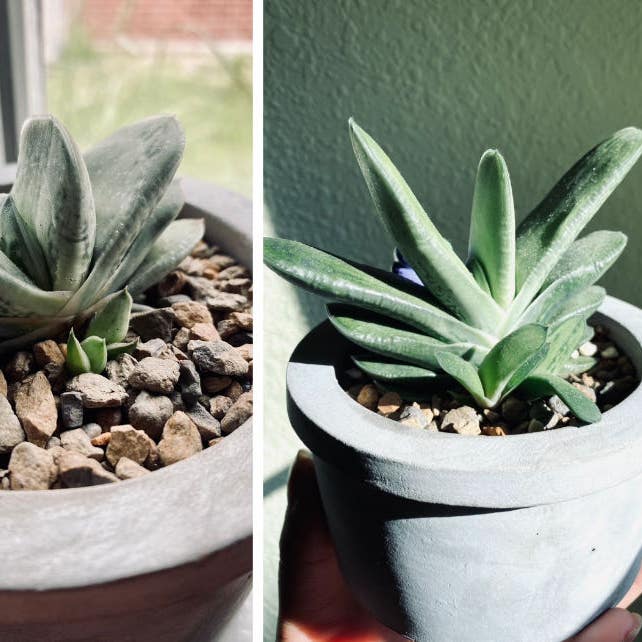
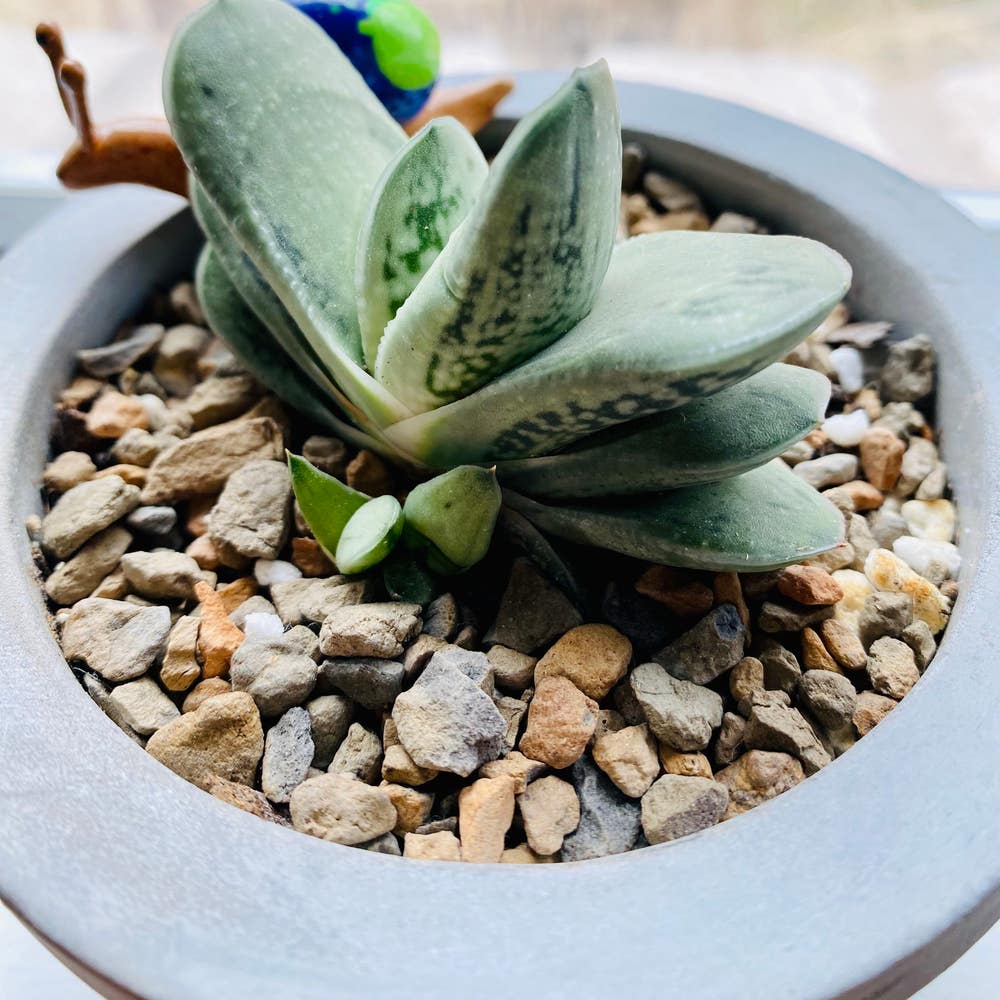
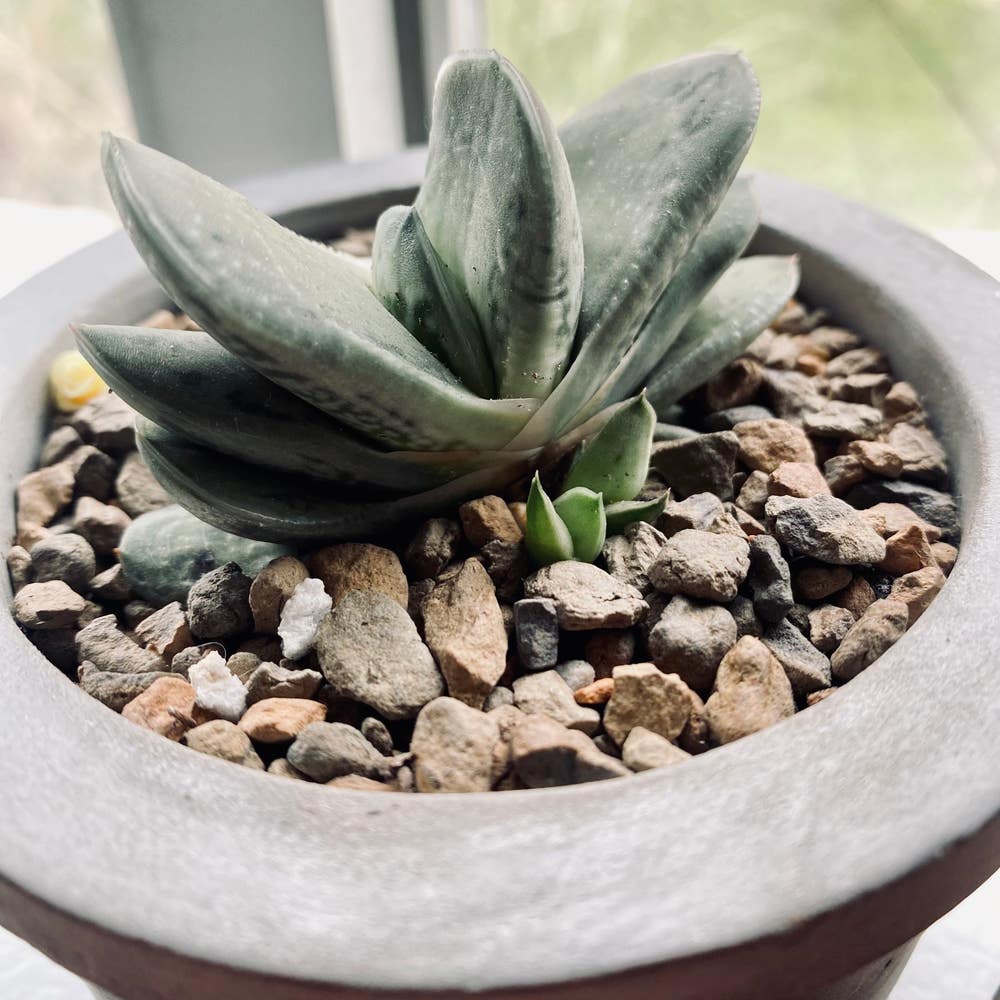
Wrinkled leaves on your Gasteria 'Grey Ghost' are a dead giveaway it's time to water. These succulents will start to look more like a prune than a plant when they're thirsty. If you notice the leaves drooping, that's your 'Grey Ghost' waving a white flag for hydration.
🏖️ Soil Check
Before you reach for the watering can, do a soil check. The top inch of soil should be your guide; if it feels dry as a week-old loaf of bread, it's time to water. Resist the urge to water on a schedule—instead, let the soil's moisture level be your compass.
Watering Wisdom: How to Quench Your 'Grey Ghost's' Thirst
💧 The Perfect Pour
Watering your Gasteria 'Grey Ghost' is less about sticking to a strict schedule and more about observing its needs. Use a gentle pour around the base of the plant, ensuring that water reaches the roots without flooding them. Allow excess water to drain to prevent root rot. It's a balancing act – too little and your plant shrivels, too much and it drowns.
🌱 Seasonal Sips
Adjust your watering with the changing seasons. During the growth phase in spring and summer, your 'Grey Ghost' will be thirstier, requiring more frequent watering. As autumn rolls in and winter approaches, it's time to cut back. The plant's metabolism slows down in cooler temperatures, meaning less water is needed. Keep an eye on the soil moisture and let the plant's condition guide you.
Pot and Soil: The Dynamic Duo for Proper Hydration
🏺 Choosing the Right Pot
Size and drainage are crucial when selecting a pot for your Gasteria 'Grey Ghost'. A pot that's just right encourages healthy growth and prevents water from overstaying its welcome. Terracotta or ceramic pots are champions at wicking away excess moisture. And remember, drainage holes aren't just nice to have; they're your plant's lifeline.
🌱 Soil Selection
The best soil mix for your 'Grey Ghost' is like a VIP pass to plant health. Aim for a well-draining blend of peat, perlite, and sand—this trio ensures quick drainage and averts root rot. It's the plant's dining table, so serve up a soil that's nutrient-rich and non-clingy, allowing roots to breathe and water to flow freely.
When Too Much Love is a Problem: Overwatering and How to Fix It
🚱 Spotting Overwatering Symptoms
Overwatering your Gasteria 'Grey Ghost' can be a silent killer. The plant's leaves may turn from a firm, healthy texture to a mushy and discolored state. If the base feels soft or the leaves are yellowing, it's a red flag. Root rot is another telltale sign, with roots going from white and robust to black and decayed. Fungus or mold on the soil surface is a clear distress signal.
🚑 Rescue and Recovery
First, stop watering immediately. Let the soil dry out completely; this could be the lifeline your 'Grey Ghost' needs. If the roots are mushy, it's time for surgery—trim away the rotted parts. Repot your plant in fresh, well-draining soil, ideally in a terracotta pot that helps wick away moisture. Adjust your watering habits moving forward, ensuring the top inch of soil is dry before giving your plant a drink. Remember, it's about hydration, not a flood.
⚠️ Safety First
This content is for general information and may contain errors, omissions, or outdated details. It is not medical, veterinary advice, or an endorsement of therapeutic claims.
Always consult a qualified healthcare professional before using any plant as food, medicine, or supplement.
Never eat any plant (or feed one to pets) without confirming its identity with at least two trusted sources.
If you suspect poisoning, call Poison Control (800) 222-1222, the Pet Poison Helpline (800) 213-6680, or your local emergency service immediately.
Spotted an error? Please report it here.
Keep your Gasteria 'Grey Ghost' perfectly hydrated 💧 with Greg's tailored watering reminders, ensuring it thrives in every season.