Why Are My Gasteria 'Grey Ghost' Leaves Curling?
Gasteria 'Grey Ghost'
By the Greg Editorial Team
Apr 14, 2024•4 min read
This article was created with the help of AI so we can cover more plants for you. May contain errors. See one? Report it here.
Solve the curling mystery of your Gasteria 'Grey Ghost' leaves for a happier 🌿, healthier plant.
- 🌊 Overwatering and underwatering cause distinct leaf issues; balance is key.
- 🌞🌡️ Light and temperature greatly affect leaf health; indirect light and moderate temps are ideal.
- 🐜 Pests and diseases can curl leaves; inspect and treat regularly.
Spotting the Signs of Leaf Curling
🚰 Recognizing Overwatering
Yellowing leaves are the plant's way of waving a white flag. If the leaves feel like a wet sponge, it's a sign to ease up on the enthusiasm with the watering can. Mushy leaves and a base that feels too soft are clear indicators of overwatering. Soggy soil is another red flag; it should feel moist, not like a swamp.
🏜️ Identifying Underwatering
When leaves start resembling a piece of parchment more than a plant, it's a cry for hydration. Droopy leaves and dry soil are your plant's way of telling you it's time to step up the watering game. A pot lighter than expected is another hint that your Gasteria 'Grey Ghost' is thirsty.
🌞 Light and Temperature Factors
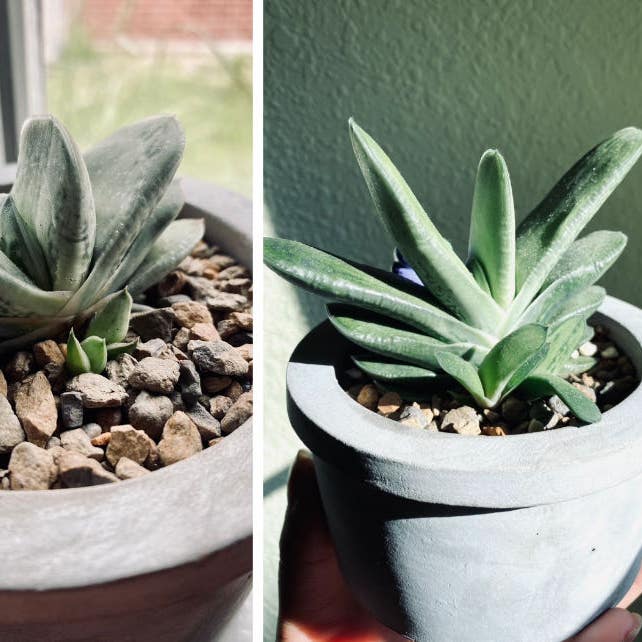
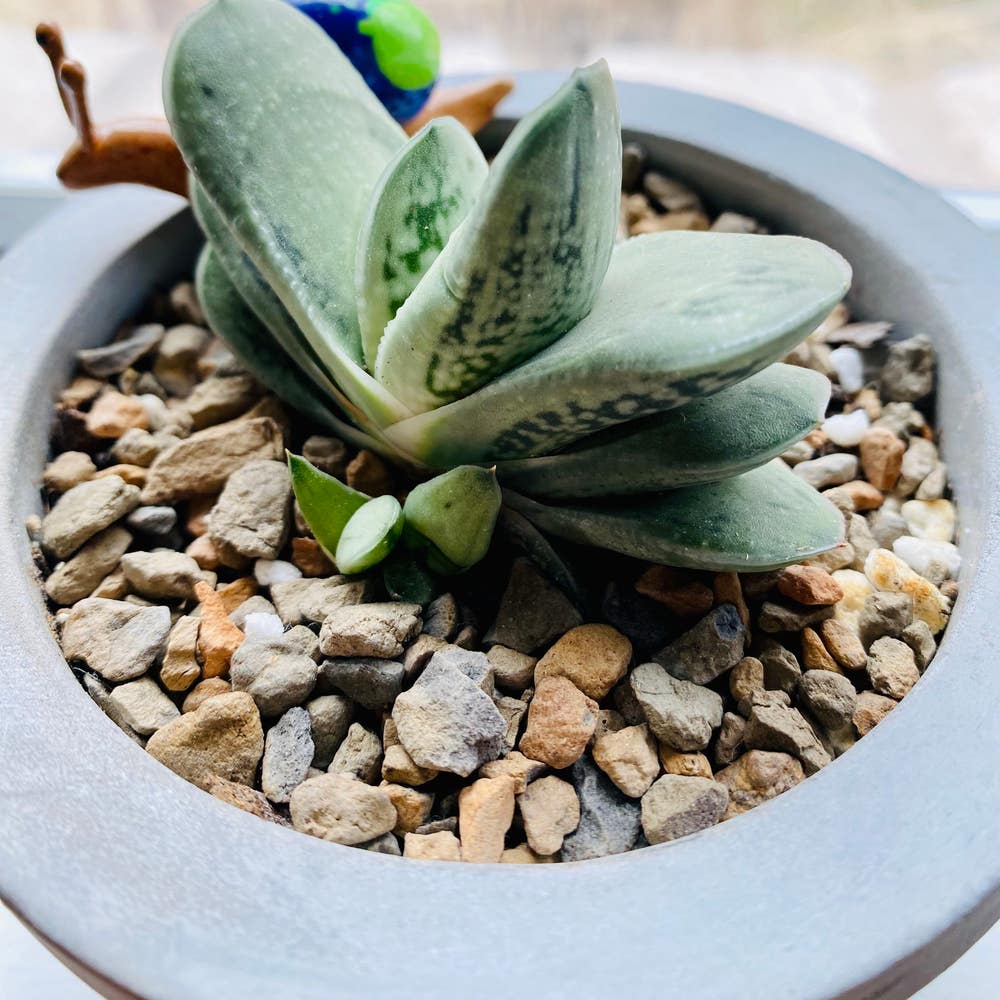
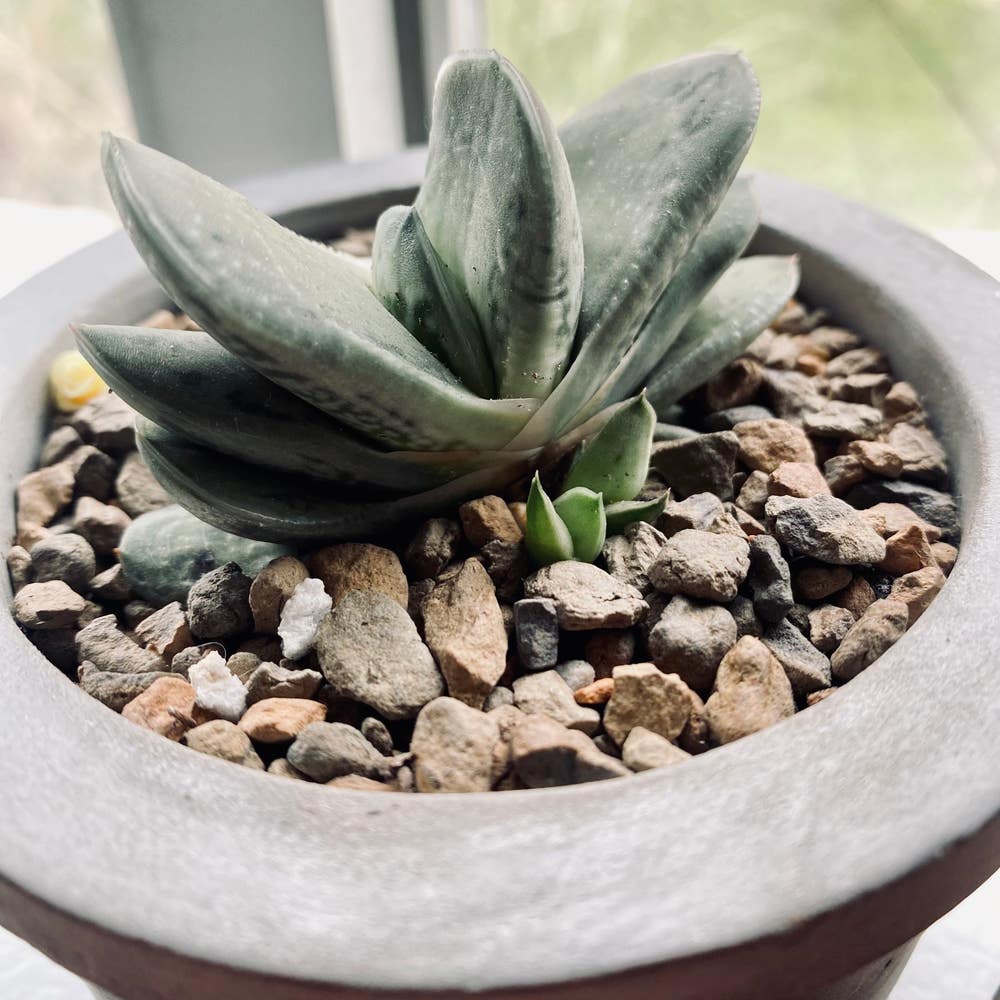
Leaves curling can also be a sign of your plant throwing a fit over improper light or temperature. Faded leaves suggest it's craving more sunlight, while stunted growth can indicate the temperature isn't quite right. Keep an eye out for leaves that start to resemble tiny green canoes; it's a sign they're not getting the light and warmth they need.
Rooting Out the Causes
💧 Water Woes
Overwatering is like helicopter parenting: too much hovering can smother. Gasteria 'Grey Ghost' leaves curl when their roots are drowning in excess moisture. Underwatering, on the flip side, leaves them parched and pleading for hydration. The soil should feel like a wrung-out sponge—moist but not wet.
🌞 Environmental Stress
Your Gasteria could be throwing a fit due to its surroundings. Too much direct sunlight scorches leaves, while insufficient light leaves them straining for more. Aim for a Goldilocks zone of bright, indirect light. Temperature swings are another mood killer; these succulents crave stability. Keep them away from drafty windows and heat sources.
🐛 Unwanted Guests
Pests and diseases are the ultimate party crashers. Mealybugs, spider mites, and fungal issues like root rot and powdery mildew can lead to leaf curling. Regularly check for sticky residue, webbing, or visible bugs. If you spot these red flags, isolate the plant and treat it with a fungicide or neem oil. Remember, good air circulation is like giving your plant its own personal space—vital for keeping pests and diseases at bay.
Turning Over a New Leaf
💧 Fine-Tuning Watering Habits
Watering your Gasteria 'Grey Ghost' is less about sticking to a schedule and more about responding to its needs. Check the soil's moisture level by sticking your finger about an inch deep—if it's dry, it's time to water. Remember, overwatering is a one-way ticket to root rot, so ensure the pot has drainage holes to avoid soggy soil syndrome. During winter, your Gasteria will be more of a camel, requiring less frequent drinks.
🌡️ Creating the Ideal Microclimate
Your Gasteria 'Grey Ghost' doesn't need a tropical paradise; it craves a consistent environment. Aim for a sweet spot between 65-75°F (18-24°C) and keep it in indirect light to avoid the leaf equivalent of a sunburn. If your air is drier than a stand-up comedian's wit, consider a pebble tray or humidifier to up the humidity. Conversely, if you're living in a cloud, a dehumidifier will help prevent your Gasteria from going limp.
🐜 Keeping Pests and Diseases at Bay
Pests and diseases are the uninvited guests at your Gasteria's party. Inspect your plant regularly for freeloaders like spider mites and mealybugs. If you spot these critters, show them the door with a blast of water or a dab of neem oil. Good air circulation is like a bouncer for these pests, so keep the air moving to avoid infestations. And remember, wet leaves are a pest's playground—water the soil, not the foliage.
⚠️ Safety First
This content is for general information and may contain errors, omissions, or outdated details. It is not medical, veterinary advice, or an endorsement of therapeutic claims.
Always consult a qualified healthcare professional before using any plant as food, medicine, or supplement.
Never eat any plant (or feed one to pets) without confirming its identity with at least two trusted sources.
If you suspect poisoning, call Poison Control (800) 222-1222, the Pet Poison Helpline (800) 213-6680, or your local emergency service immediately.
Spotted an error? Please report it here.
Keep your Gasteria 'Grey Ghost' thriving 🌿 with Greg's environment monitoring to prevent overwatering and ensure the perfect amount of sunlight and warmth.