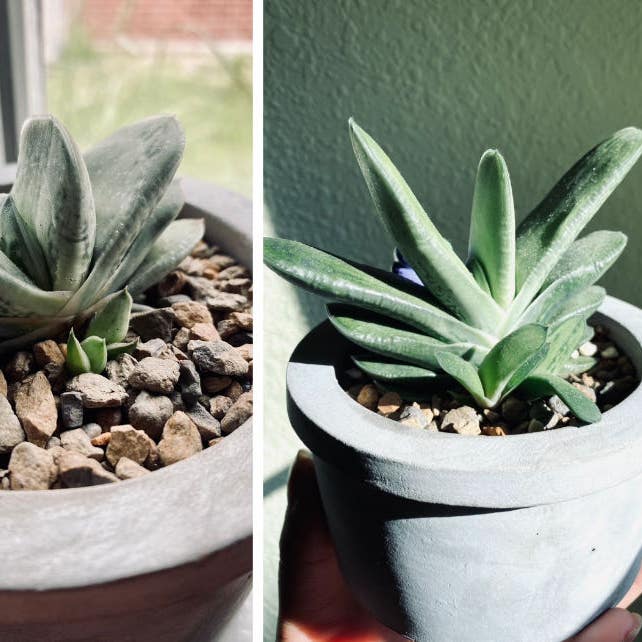
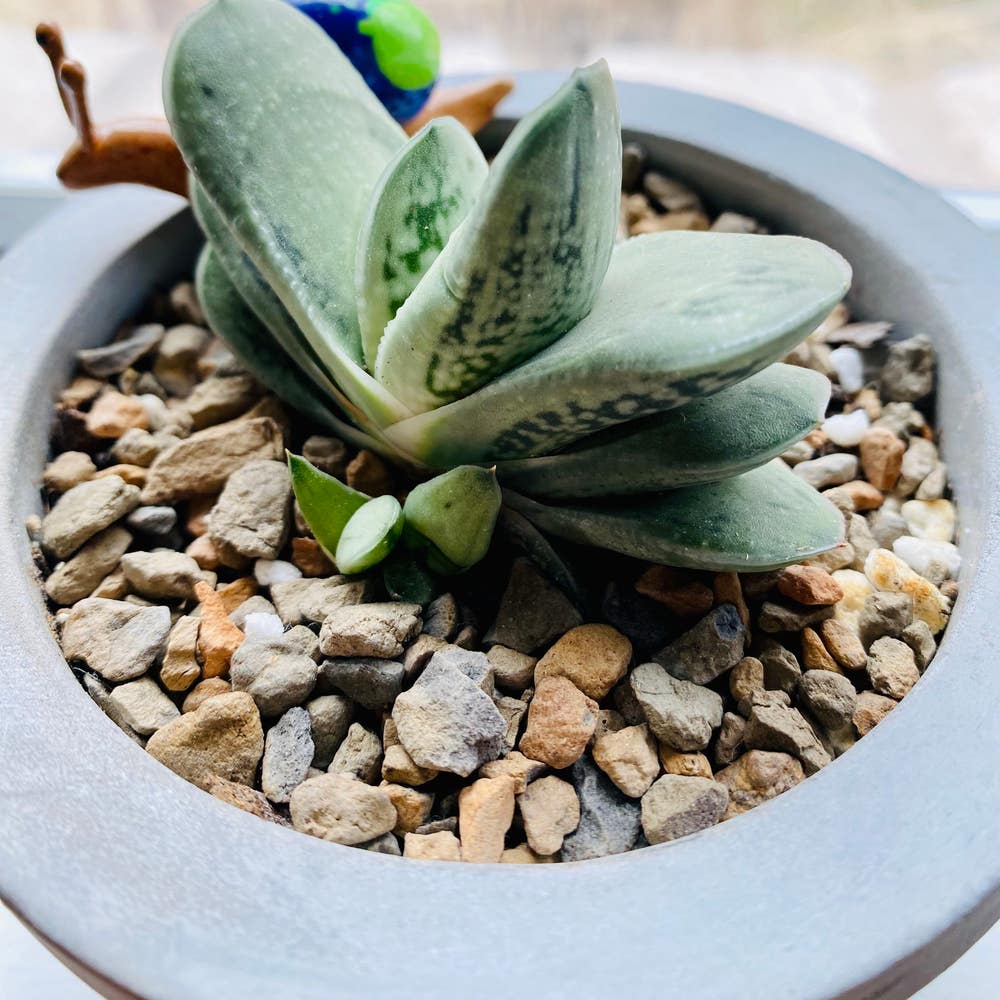
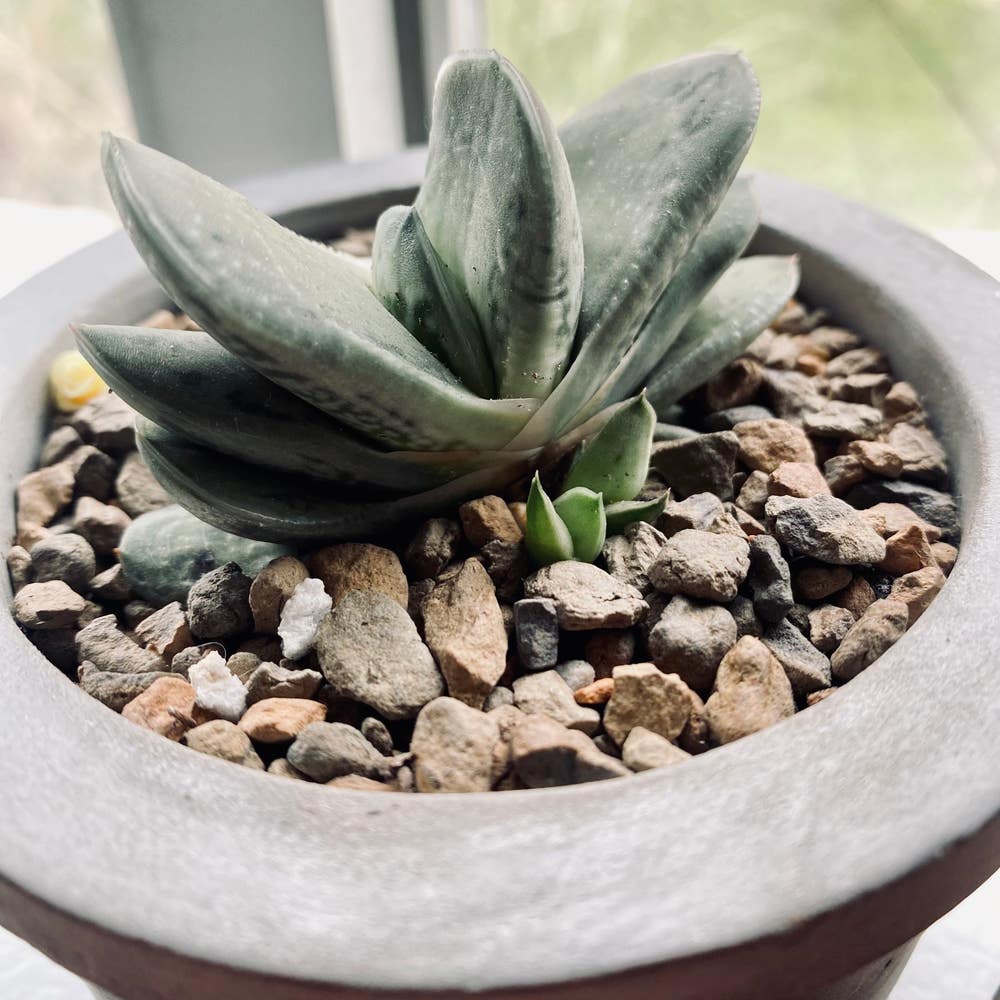
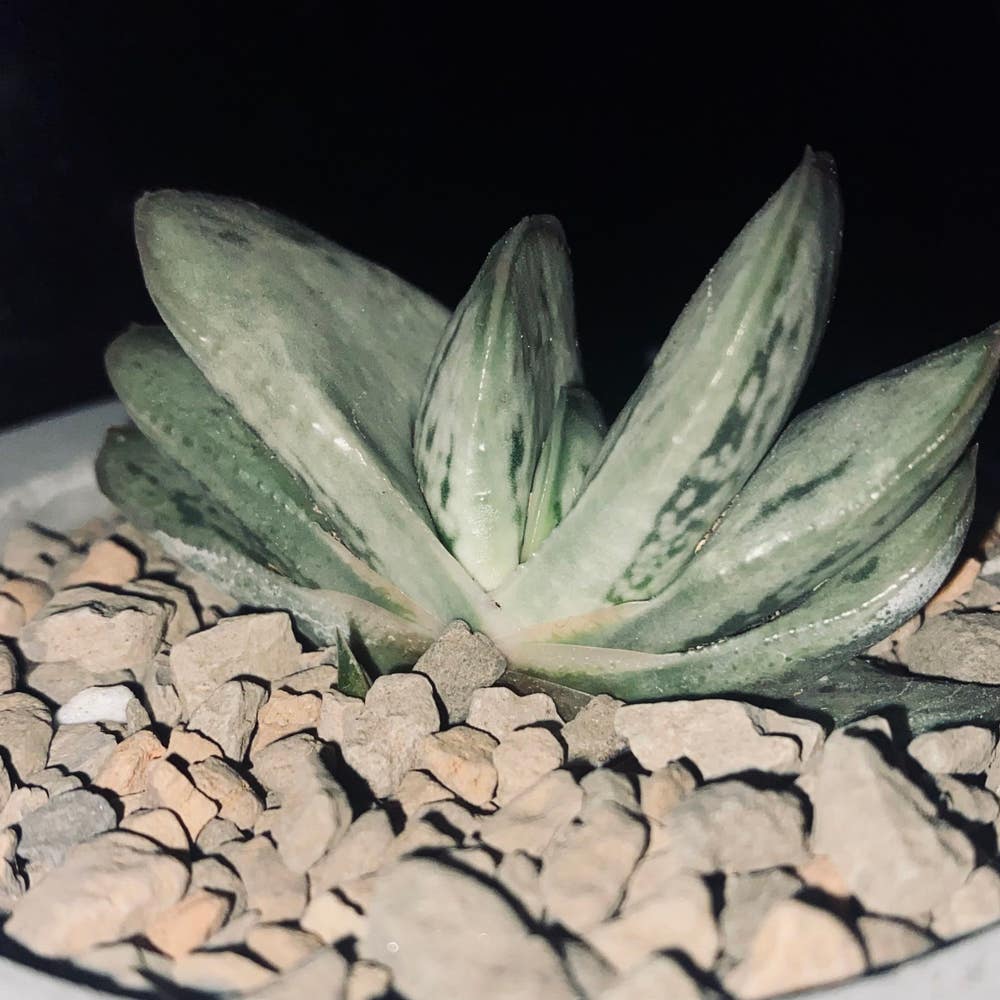
Why Are My Gasteria 'Grey Ghost' Leaves Dropping?
Gasteria 'Grey Ghost'
By the Greg Editorial Team
Apr 14, 2024•4 min read
This article was created with the help of AI so we can cover more plants for you. May contain errors. See one? Report it here.
Prevent your Gasteria 'Grey Ghost' from shedding tears 🍂 with life-saving care secrets.
- 🌊 Overwatering causes mushy leaves; underwatering leads to crispy ones.
- 🌡️💡 Adjust light and temperature to prevent scorching or pale leaves.
- 🐜 Treat pest infestations with insecticidal soap or neem oil.
Pinpointing the Culprit: Common Reasons for Leaf Drop
💧 Too Much Love: The Perils of Overwatering
Spotting the Signs of Overwatering
Yellow, mushy leaves? Overwatering might be your issue. Gasteria 'Grey Ghost' roots abhor a soggy environment. If the soil clings to your fingers, it's a red flag.
How to Rescue an Overwatered Gasteria
Immediate action is crucial. Stop watering, improve drainage, and consider repotting with fresh, dry soil. If the base is healthy, your plant can bounce back.
🏜️ Thirsty Plant Problems: The Underwatering Equation
Identifying a Parched 'Grey Ghost'
Crispy, curled leaves are crying out for water. Check the soil deep down; if it's bone-dry, your Gasteria is thirsty.
Balancing the Watering Scale for Health
Introduce a balanced watering routine. The soil should feel like a wrung-out sponge—moist but not wet. Adjust based on your plant's feedback.
🌞 Feeling the Burn: Temperature and Light Stress
Recognizing Temperature and Light-Related Stress
Scorched or pale leaves? Your Gasteria might be suffering from too much sun or shivering in the cold. Stability is key for these succulents.
Adjusting Your Plant's Environment for Comfort
Find the sweet spot. Bright, indirect light and consistent temperatures will keep your 'Grey Ghost' from getting stressed. No direct sunlight, please.
🐜 Unwanted Guests: Pest Infestations and Leaf Loss
Detecting Pests That Target Gasteria
Aphids, mealybugs, or spider mites—these critters love to feast on your plant. Spot them early; they're sneaky but visible upon close inspection.
Effective Pest Control Measures
Isolate the affected plant and treat with insecticidal soap or neem oil. Prevention is better than cure, so keep those routine checks in place.
First Aid for Fallen Leaves: Immediate Actions
💧 Assess and Adjust Watering Habits
Checking the soil moisture is your first move. If it's dry an inch down, it's time to water. But don't just go on autopilot; tailor your watering to the current climate and your plant's unique thirst levels.
Establish a routine that's less about the calendar and more about what your plant is telling you. Overwatering is a no-go, so wait for that topsoil to dry out before you give it another drink.
🏡 Creating a Cozy Habitat
Light and temperature are your Gasteria's roommates, and they need to get along. Find a spot with bright, indirect sunlight where your 'Grey Ghost' won't get a sunburn or shiver in the cold.
The ideal location strikes a balance between cozy and comfortable. Think stable temperatures, gentle light, and a no-draft zone. Your Gasteria will thank you by keeping its leaves to itself.
Long-Term Leaf Retention Strategies
💧 Water Wisdom: Mastering the Art of Irrigation
Consistency is key in watering your Gasteria 'Grey Ghost'. It's not about sticking to a rigid schedule, but responding to the plant's needs. Check the soil; if the top layer feels dry, it's time to water.
Invest in a moisture meter to eliminate guesswork, or stick to the classic finger test. Remember, the goal is moist, not soggy soil. If you're the forgetful type, consider setting a calendar reminder.
For those who love gadgets, a drip irrigation system can provide a steady, measured supply of water. Ensure your pots have drainage holes to prevent root rot. And don't forget, a layer of mulch can help maintain consistent soil moisture without overdoing it.
🛡️ Building a Strong Defense: Pest Prevention
Routine inspections are your plant's first line of defense. Keep an eye out for early signs of distress like discoloration or wilting. If you spot a rogue leaf on the floor, it's time to play detective.
Air circulation is crucial. Space your plants properly and prune when necessary to reduce humidity and promote leaf drying. Water early in the day so leaves have time to dry, and consider drip irrigation to keep leaves dry and reduce fungal risks.
Rotate your fungicides and bactericides regularly if you use them, and always check for organic options if that's your preference. Remember, the best offense is a good defense, so make pest prevention part of your regular plant care routine.
⚠️ Safety First
This content is for general information and may contain errors, omissions, or outdated details. It is not medical, veterinary advice, or an endorsement of therapeutic claims.
Always consult a qualified healthcare professional before using any plant as food, medicine, or supplement.
Never eat any plant (or feed one to pets) without confirming its identity with at least two trusted sources.
If you suspect poisoning, call Poison Control (800) 222-1222, the Pet Poison Helpline (800) 213-6680, or your local emergency service immediately.
Spotted an error? Please report it here.
Avoid the ghostly sight of dropped leaves and ensure your Gasteria thrives with Greg's custom care alerts 🌱, tailored to your plant's unique needs.