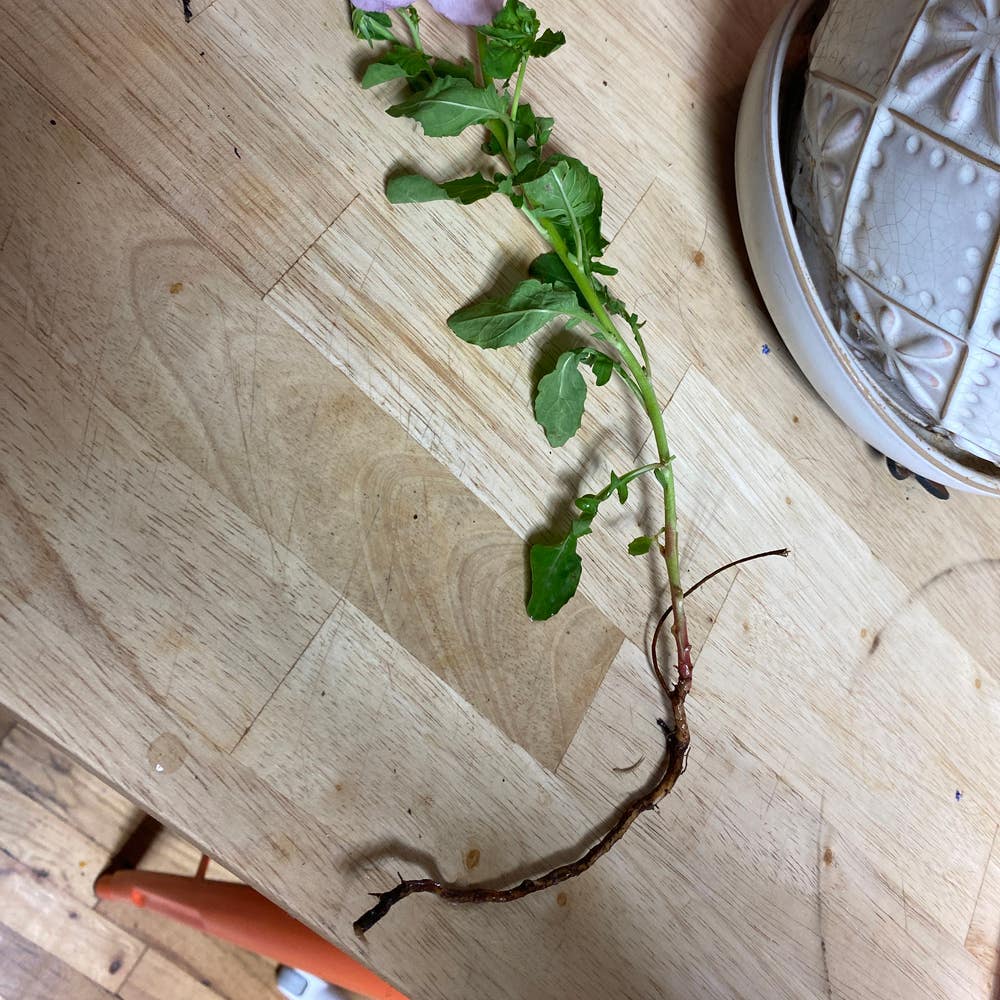
What It Means When Your Hooker's Evening Primrose Wilts 🌼
Oenothera elata subsp. hookeri
By the Greg Editorial Team
Oct 19, 2024•5 min read
This article was created with the help of AI so we can cover more plants for you. May contain errors. See one? Report it here.
Revive your wilting hooker's evening primrose 🌱 with essential tips to diagnose and treat plant stressors!
- 🌱 Wilting in hooker's evening primrose often signals water or heat stress.
- 💧 Check soil moisture to diagnose wilting; adjust watering accordingly.
- ☀️ Provide shade and humidity to combat heat stress and promote recovery.
Common Causes of Wilting Leaves
💧 Water Stress
Wilting leaves can often signal water stress. Look for symptoms like drooping leaves, dry soil, and crispy edges.
Inadequate watering or overwatering can lead to root damage, making it hard for your hooker's evening primrose to thrive. Finding the right balance is crucial.
🌡️ Heat Stress
Heat stress is another common culprit behind wilting. Symptoms include curling leaves, browning tips, and wilting during the hottest parts of the day.
This usually happens when the plant is exposed to high temperatures without enough hydration. Keeping an eye on the weather can help you anticipate these issues.
🌪️ Environmental Sensitivity
Your plant's sensitivity to environmental changes can also lead to wilting. Rapid shifts in temperature or moisture levels can stress the plant.
Being aware of these fluctuations is key to maintaining a healthy hooker's evening primrose. Regular monitoring can help you catch problems before they escalate.
Understanding these common causes will set you on the right path to diagnosing and treating wilting in your plants. Next, let’s dive into how to effectively diagnose wilting.
Diagnosing Wilting
🕵️♂️ Step-by-Step Guide to Diagnose Wilting
Diagnosing wilting in your hooker's evening primrose starts with assessing soil moisture levels. Use a moisture meter or simply stick your finger into the soil to check if it's dry.
Next, look for signs of heat stress. Observe the leaves for curling or browning, especially during the hottest parts of the day.
🌡️ Evaluate Environmental Conditions
Monitor the temperature and humidity around your plant. Rapid changes can contribute to wilting, so keep an eye on these factors.
Inspect for pests or diseases as well. Look for any discoloration or unusual growth patterns that might indicate a problem.
📜 Document Changes
Keeping a log of your watering and environmental conditions can be invaluable. This record helps you identify patterns and make necessary adjustments.
🔍 Identifying Symptoms and Environmental Factors
Correlate the symptoms you see with recent weather changes or your watering habits. This connection can provide clues to the underlying issue.
Don’t forget to note any physical damage to the plant or its surroundings. Sometimes, external factors can play a significant role in wilting.
By following these steps, you can effectively diagnose the causes of wilting and take appropriate action. This proactive approach sets the stage for healthier plants and a more enjoyable gardening experience.
Next, let’s explore actionable solutions for reviving your wilting hooker's evening primrose.
Solutions for Wilting
🌊 Actionable Advice for Each Potential Cause
Addressing Water Stress
Water stress is a common culprit behind wilting leaves. To combat this, adjust your watering schedule to ensure you water deeply but infrequently.
Implementing bottom watering techniques can also be beneficial. This method allows roots to absorb moisture from below, promoting healthier growth.
☀️ Mitigating Heat Stress
Heat stress can wreak havoc on your hooker's evening primrose. Providing shade during peak sun hours is essential; consider using shade cloth or temporarily relocating the plant to a cooler spot.
Increasing humidity around the plant can also help. Misting the leaves or using a humidity tray can create a more favorable environment.
🌱 Reviving a Wilted Plant
If your plant has already wilted, don’t despair. Start by pruning damaged leaves; removing wilted or dead foliage encourages new growth and revitalizes the plant.
Temporary relocation can also aid recovery. Move the plant to a cooler, shaded area until you observe signs of improvement.
With these solutions, you can effectively address the wilting of your hooker's evening primrose and help it thrive once again. Next, let’s explore preventive measures to minimize future wilting episodes.
Preventive Measures
Tips to Minimize Future Wilting Episodes 🌱
Establishing a consistent watering routine is crucial. Regularly monitor soil moisture to ensure your Hooker's Evening Primrose gets just the right amount of water.
Using mulch can be a game-changer. It helps retain soil moisture and regulates temperature, creating a more stable environment for your plant.
Importance of Monitoring Environmental Conditions 🌡️
Regularly checking temperature and humidity levels is essential for plant health. Small fluctuations can have a big impact, so stay vigilant.
Adjust your care practices based on seasonal changes. Being proactive can prevent wilting before it starts, keeping your plant thriving year-round.
By implementing these preventive measures, you can significantly reduce the chances of your Hooker's Evening Primrose wilting. Next, let’s explore when it might be time to seek expert help for your plant.
When to Seek Help
Signs That Require Expert Assistance 🌱
If your hooker's evening primrose continues to wilt despite your best care efforts, it’s time to consider seeking help. Persistent wilting can indicate deeper issues that might not be easily resolved with standard care.
Unusual symptoms that don't match common causes are also red flags. If you notice strange discoloration, growth patterns, or other anomalies, don’t hesitate to reach out for expert advice.
Resources for Assistance 🛠️
Local nurseries can be invaluable resources. They often have staff with expertise in regional plant care who can provide tailored advice.
Consulting plant experts is another great option. They can help diagnose specific issues and suggest effective solutions.
Online communities, like Greg, offer a platform for support and advice from fellow plant enthusiasts. Engaging with others who share your passion can provide insights and encouragement.
By recognizing when to seek help and knowing where to turn, you can give your evening primrose the best chance for recovery. Now, let’s explore how to implement preventive measures to keep your plant thriving.
⚠️ Safety First
This content is for general information and may contain errors, omissions, or outdated details. It is not medical, veterinary advice, or an endorsement of therapeutic claims.
Always consult a qualified healthcare professional before using any plant as food, medicine, or supplement.
Never eat any plant (or feed one to pets) without confirming its identity with at least two trusted sources.
If you suspect poisoning, call Poison Control (800) 222-1222, the Pet Poison Helpline (800) 213-6680, or your local emergency service immediately.
Spotted an error? Please report it here.
Revive your Hooker's Evening Primrose from wilting with Greg's tailored care tips 🌱 and environmental monitoring, ensuring it thrives beautifully all year round!