🌼 Hooker's Evening Primrose: Not an Annual
Oenothera elata subsp. hookeri
By the Greg Editorial Team
Oct 19, 2024•5 min read
This article was created with the help of AI so we can cover more plants for you. May contain errors. See one? Report it here.
Unlock the vibrant beauty of Hooker's Evening Primrose 🌱 with essential tips for thriving biennial growth in your garden!
- 🌼 Hooker's Evening Primrose is a biennial, thriving in its second year with stunning blooms.
- 🌱 First-year growth focuses on roots and foliage, crucial for future flowering success.
- 🌍 Adaptable to various environments, it can even behave like an annual under stress.
Genetic and Physiological Characteristics
Two-Year Lifecycle 🌱
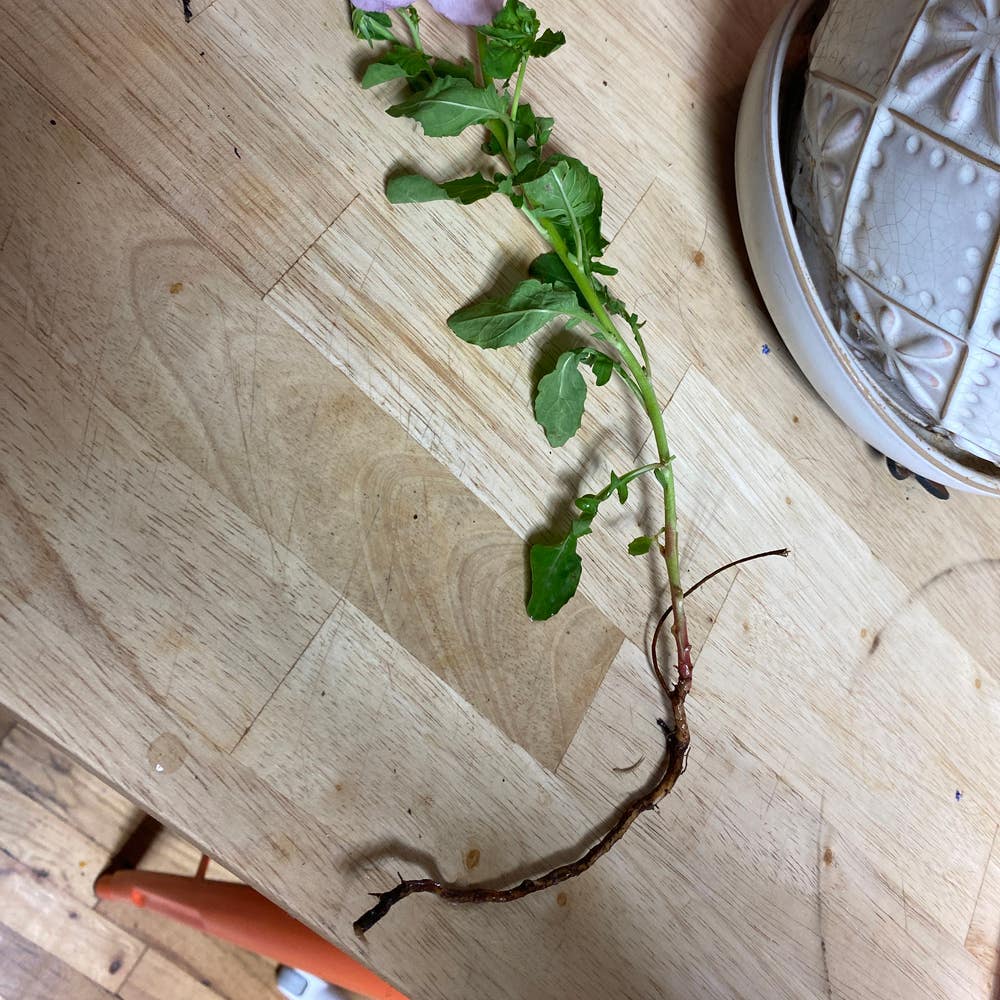
Hooker's Evening Primrose is a biennial plant, meaning it has a two-year lifecycle. In the first year, the focus is on vegetative growth and establishing a robust root system.
During the second year, the plant transitions to flowering and seed production, showcasing its full potential.
Growth Patterns in the First and Second Years 🌿
In the first year, you'll notice the development of rosettes and lush foliage. This stage is crucial for energy storage, setting the stage for the next phase.
By the second year, flowering stalks emerge, leading to vibrant blooms that attract attention.
Reproductive Strategies and Flowering Cycles 🌼
The plant produces large, showy yellow flowers that bloom in the evening. This unique timing attracts nocturnal pollinators, enhancing its reproductive success.
These strategies ensure that Hooker's Evening Primrose thrives in its environment, maximizing its chances for survival and propagation.
As we delve deeper, let's explore the evolutionary advantages of this biennial nature.
Evolutionary Advantages of Biennial Nature
🌍 Adaptation to Different Environments
Hooker's Evening Primrose showcases remarkable adaptability. It thrives in dry, open areas and grasslands, making it a resilient choice for various landscapes.
This plant exhibits variability in growth patterns, influenced by soil types and moisture levels. Such flexibility allows it to optimize its growth in diverse conditions, ensuring survival where other plants might struggle.
🌱 Benefits of a Biennial Lifecycle
The biennial lifecycle of Hooker's Evening Primrose offers significant advantages. Over two years, it efficiently allocates resources, maximizing nutrient and energy use.
This strategy enhances survival rates, particularly in fluctuating environmental conditions. By spreading its lifecycle over two years, the plant can better withstand challenges like drought or nutrient scarcity.
Understanding these evolutionary advantages not only highlights the resilience of Hooker's Evening Primrose but also sets the stage for exploring its growth and flowering patterns.
Impact of Biennial Lifecycle on Growth and Flowering
Year One: Vegetative Growth and Establishment 🌱
In the first year, Hooker's Evening Primrose focuses on establishing a robust root system and lush foliage. This foundational growth is crucial for nutrient uptake and moisture retention, setting the stage for future flowering.
Year Two: Flowering and Seed Production 🌼
As the second year unfolds, the plant transitions to its reproductive phase. Timing is key; optimal conditions for pollination lead to abundant flowering and successful seed production.
Timing of Flowering ⏰
The flowering period is strategically aligned with environmental cues, ensuring that blooms coincide with peak pollinator activity. This synchronization enhances the chances of successful fertilization.
Seed Production 🌾
The quantity and quality of seeds produced in the second year are vital for the plant's lifecycle. A well-timed flowering phase can result in a rich harvest of seeds, ensuring the continuation of the species.
The biennial lifecycle of Hooker's Evening Primrose not only influences its growth patterns but also enhances its reproductive success. Understanding these phases can help gardeners optimize their care strategies for this unique plant.
Next, we’ll explore the evolutionary advantages of this biennial nature and how it adapts to various environments.
Variations and Exceptions in Growth Patterns
🌱 Conditions That May Cause Annual-Like Behavior
Hooker's Evening Primrose can sometimes exhibit annual-like behavior due to environmental stressors. Drought or nutrient-poor soils can push the plant to flower earlier than expected, disrupting its typical biennial cycle.
Warmer climates also play a role in this shift. In such conditions, the plant may adapt by completing its lifecycle in just one year, which can be fascinating yet concerning for gardeners aiming for consistent blooms.
🌦️ Environmental Factors Influencing Growth Patterns
Soil moisture levels are crucial for the growth of Hooker's Evening Primrose. Adequate moisture supports robust vegetative growth and ensures timely flowering, while dry conditions can lead to premature blooming.
Temperature fluctuations can further impact the lifecycle progression. Extreme heat or unexpected cold snaps may alter the timing of flowering, making it essential for gardeners to monitor their local climate closely.
Understanding these variations helps in managing expectations and planning for a thriving garden. As we explore gardening strategies next, these insights will prove invaluable for optimizing growth and flowering.
Gardening Strategies for Hooker's Evening Primrose
🌼 Planting Techniques for Continuous Blooming
To enjoy a vibrant display of Hooker's Evening Primrose, consider staggered planting. This technique ensures that blooms appear across multiple seasons, creating a continuous wave of yellow flowers.
Companion planting is another effective strategy. Pairing Hooker's Evening Primrose with other biennial or perennial plants not only enhances visual interest but also supports a thriving garden ecosystem.
⏳ Managing Growth Cycles for Optimal Seed Production
Timing is crucial for managing growth cycles. Establish a fertilization and watering schedule that aligns with the plant's needs to support robust growth.
In the second year, focus on techniques that encourage healthy seed development. This can include careful monitoring of moisture levels and providing adequate nutrients to maximize seed quality and quantity.
🎨 Tips for Garden Design Incorporating Biennial Plants
When designing your garden, think about the placement of Hooker's Evening Primrose for maximum visual impact. Position these plants where they can be easily admired, especially during their blooming phase.
Creating a diverse garden ecosystem is key. Incorporate other biennial and perennial plants to support the overall health and beauty of your garden, ensuring a lively and colorful environment year-round.
With these strategies, you can cultivate a flourishing garden that showcases the unique beauty of Hooker's Evening Primrose while optimizing its growth and flowering potential. Next, let’s explore the variations and exceptions in growth patterns that can influence your gardening success.
⚠️ Safety First
This content is for general information and may contain errors, omissions, or outdated details. It is not medical, veterinary advice, or an endorsement of therapeutic claims.
Always consult a qualified healthcare professional before using any plant as food, medicine, or supplement.
Never eat any plant (or feed one to pets) without confirming its identity with at least two trusted sources.
If you suspect poisoning, call Poison Control (800) 222-1222, the Pet Poison Helpline (800) 213-6680, or your local emergency service immediately.
Spotted an error? Please report it here.
Unlock a stunning bloom display 🌼 by mastering Hooker's Evening Primrose with Greg's tailored care tips and reminders to support its unique two-year lifecycle!