Hooker's Evening Primrose: Not a Perennial Plant 🌼
Oenothera elata subsp. hookeri
By the Greg Editorial Team
Oct 19, 2024•5 min read
This article was created with the help of AI so we can cover more plants for you. May contain errors. See one? Report it here.
Master Hooker's Evening Primrose's two-year lifecycle for stunning blooms and a vibrant garden! 🌱✨
- 🌼 Hooker's Evening Primrose is biennial, blooming only in its second year.
- 🌱 Understanding its lifecycle helps gardeners plan for blooms and care effectively.
- 🌞 Positioning for evening light maximizes visual appeal as blooms open at dusk.
Lifecycle of Hooker's Evening Primrose
🌱 Two-Year Lifecycle Explanation
Hooker's Evening Primrose is a biennial plant, meaning it completes its lifecycle over two years. In the first year, it focuses on establishing itself, while the second year is all about flowering and reproduction.
Understanding this lifecycle is crucial for effective gardening. It helps you plan when to expect blooms and how to care for the plant throughout its growth stages.
📈 Growth Patterns
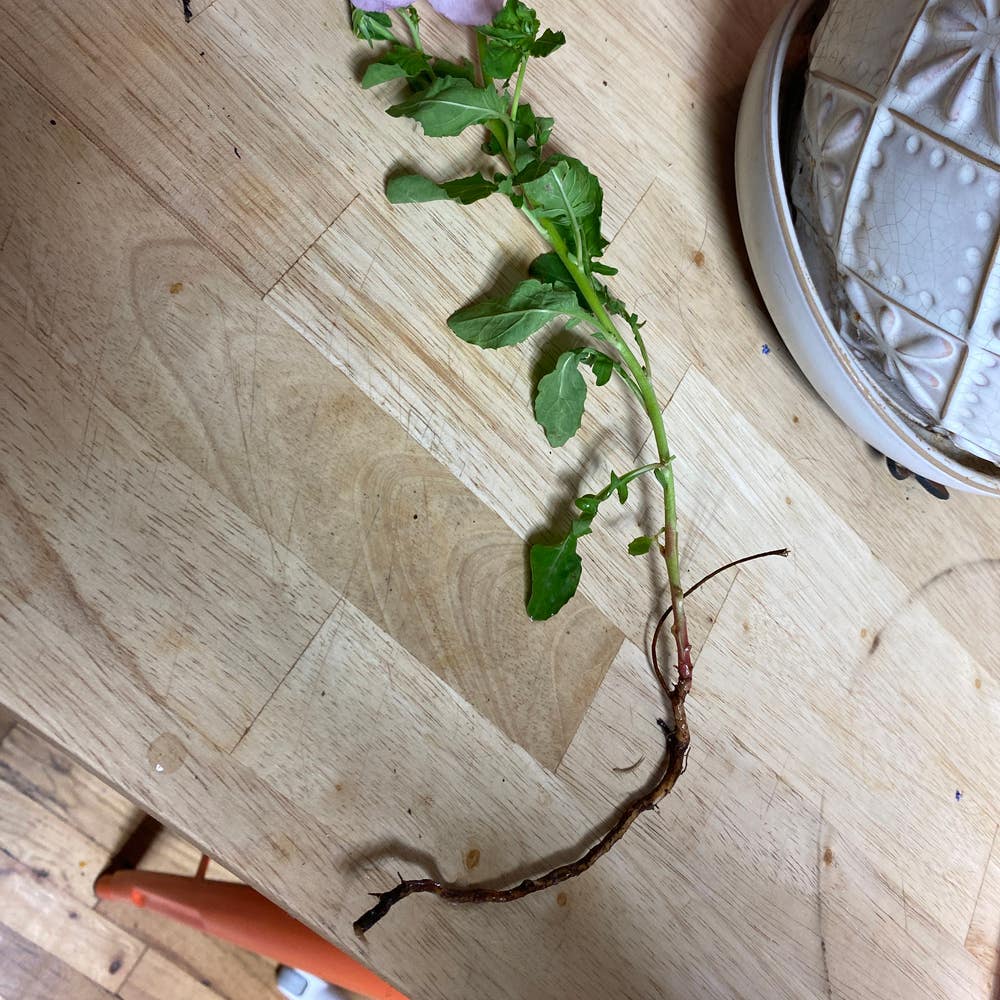
In the first year, Hooker's Evening Primrose develops a rosette of leaves close to the ground. This vegetative growth is essential for storing energy for the flowering phase.
By the second year, the plant shifts gears. It produces tall flower stalks, showcases vibrant blooms, and generates seeds, marking its peak flowering period. This transition is vital for gardeners to anticipate and enjoy the plant's beauty.
Misconceptions and Clarifications
Common Misconceptions 🌱
Many gardeners mistakenly classify Hooker's Evening Primrose as either a perennial or an annual. This confusion often arises from its striking resemblance to perennial plants and its flowering habits, which can mislead even seasoned horticulturists.
Understanding these misconceptions is crucial. When gardeners assume it's a perennial, they may mismanage their expectations regarding its growth and flowering cycles.
Clarifying Its Biennial Nature 🌼
Recognizing Hooker's Evening Primrose as a biennial plant is essential for effective gardening. This classification impacts how and when you should plant it, as well as how you care for it over its two-year lifecycle.
Misunderstandings about its classification can lead to poor gardening practices. For instance, if you expect continuous blooms like a perennial, you might be disappointed when it only flowers in its second year.
Implications of Biennial Nature
Effects on Growth and Flowering 🌸
Understanding the biennial classification of Hooker's Evening Primrose is crucial for predicting its flowering patterns. Unlike perennials, which bloom annually, this plant flowers only in its second year, creating a unique rhythm in your garden.
This means that if you're expecting consistent blooms every year, you might be in for a surprise. The flowering frequency of Hooker's Evening Primrose is less predictable compared to perennials, which can lead to gaps in your garden's visual appeal.
Lifespan Compared to Perennials ⏳
The average lifespan of Hooker's Evening Primrose is typically around two years, which is shorter than many perennials that can thrive for several years. This shorter lifespan can significantly impact your garden planning and plant selection.
When incorporating this plant into your garden, consider its brief lifecycle. Understanding its biennial nature allows you to make informed decisions about companion planting and seasonal rotations, ensuring your garden remains vibrant and full of life.
With this knowledge, you're better equipped to create a garden that celebrates the unique beauty of Hooker's Evening Primrose while maintaining continuous interest throughout the seasons.
Unique Aspects for Gardeners
Distinct Growth Stages 🌱
Understanding the growth stages of Hooker's Evening Primrose is crucial for any gardener. In the first year, the plant focuses on vegetative growth, forming a rosette of leaves close to the ground.
By the second year, the plant shifts gears. It produces tall flowering stalks, showcasing vibrant blooms that attract pollinators and add beauty to your garden.
Situations Where It May Appear Perennial or Annual 🌼
Sometimes, Hooker's Evening Primrose can give the illusion of being a perennial or annual plant. This can happen due to environmental factors like mild winters or rich soil conditions that encourage early growth.
In such cases, gardeners may mistakenly believe the plant is thriving as a perennial. Recognizing these situations helps set realistic expectations for care and maintenance.
Understanding these unique aspects can enhance your gardening experience and ensure you appreciate the true nature of Hooker's Evening Primrose. Now, let's explore effective garden management strategies to make the most of this fascinating plant.
Garden Management Strategies
Planning for Continuous Blooms 🌼
To enjoy a vibrant display of Hooker's Evening Primrose throughout the growing season, stagger your plantings. Start by sowing seeds in early spring, then follow up with additional sowings every few weeks.
This approach ensures that while some plants are finishing their lifecycle, others are just beginning to bloom. By planning strategically, you can create a continuous wave of color in your garden.
Incorporating with Other Plants 🌿
Integrating Hooker's Evening Primrose into your garden design can enhance its beauty. Pair it with early-blooming perennials like daisies or coneflowers to create a dynamic visual contrast.
Consider planting in groups for a more impactful display. This not only highlights the evening primrose but also supports a diverse ecosystem in your garden.
Maximizing Impact in Garden Design 🎨
Showcasing the unique beauty of Hooker's Evening Primrose requires thoughtful placement. Position them in areas where they can catch the evening light, as their blooms open at dusk.
Understanding their lifecycle is crucial for effective garden aesthetics. This knowledge allows you to plan for their peak bloom periods, ensuring your garden remains lively and engaging throughout the seasons.
By embracing these strategies, you can create a garden that celebrates the distinct charm of Hooker's Evening Primrose while maintaining a vibrant atmosphere year-round.
⚠️ Safety First
This content is for general information and may contain errors, omissions, or outdated details. It is not medical, veterinary advice, or an endorsement of therapeutic claims.
Always consult a qualified healthcare professional before using any plant as food, medicine, or supplement.
Never eat any plant (or feed one to pets) without confirming its identity with at least two trusted sources.
If you suspect poisoning, call Poison Control (800) 222-1222, the Pet Poison Helpline (800) 213-6680, or your local emergency service immediately.
Spotted an error? Please report it here.
Unlock the beauty of Hooker's Evening Primrose by mastering its lifecycle with Greg's tailored care reminders, ensuring your garden blooms vibrantly when it matters most! 🌼 Bloom with confidence!