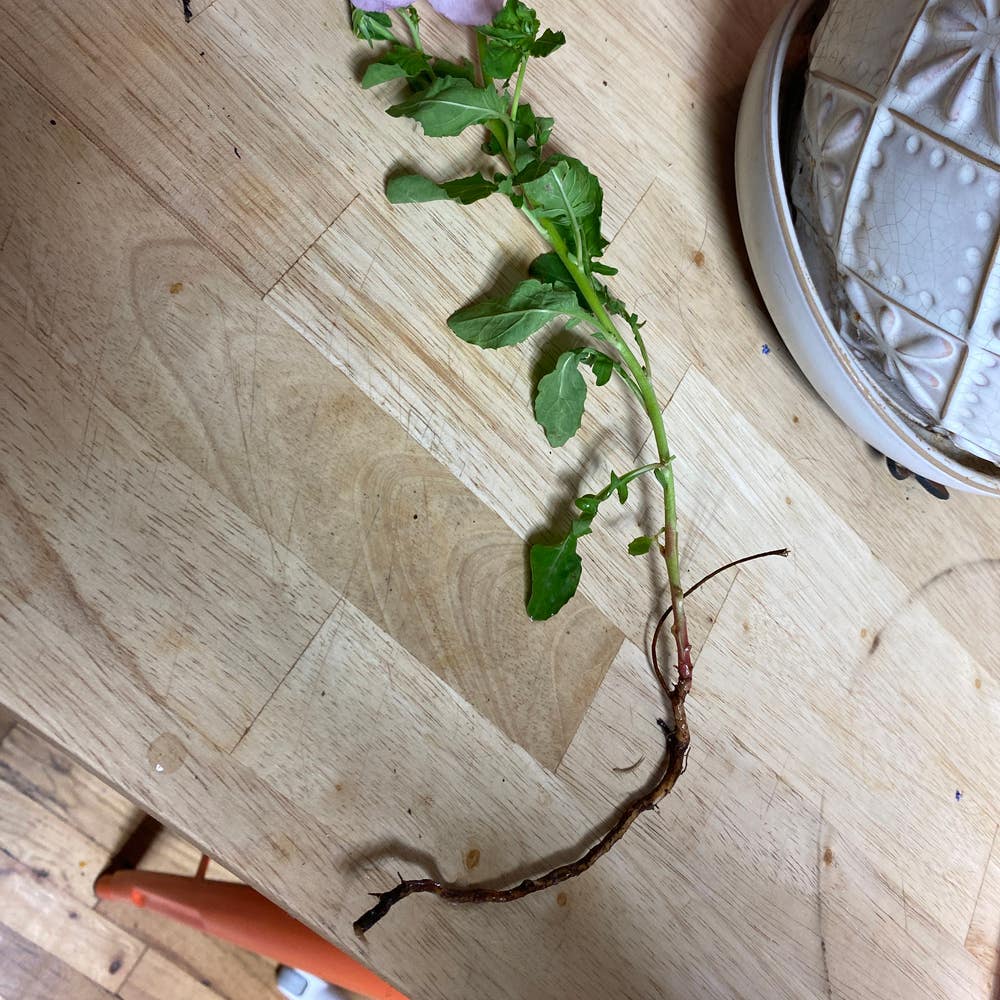
🌼 Best Climate for Hooker's Evening Primrose: Zones 4a-9b
Oenothera elata subsp. hookeri
By the Greg Editorial Team
Oct 19, 2024•4 min read
This article was created with the help of AI so we can cover more plants for you. May contain errors. See one? Report it here.
Unlock the secrets to thriving Hooker's Evening Primrose 🌼 by mastering its temperature tolerance and ideal growing conditions!
- 🌍 Hooker's Evening Primrose thrives in USDA zones 4a-9b, adaptable to diverse climates.
- ❄️ Survives extreme cold down to -30°F, perfect for early spring planting.
- ☀️ Requires full sun and well-drained soil for optimal growth and flowering.
Temperature Tolerance of Hooker's Evening Primrose
❄️ Cold Tolerance Specifics
Hooker's Evening Primrose is remarkably resilient, surviving temperatures as low as -30°F (-34°C) in zone 4a. This cold tolerance makes it an excellent choice for early spring planting, as it can withstand light frosts without significant damage.
🔥 Heat Tolerance Specifics
On the flip side, this plant is sensitive to prolonged heat above 90°F (32°C). Extreme temperatures can stress the plant, impacting flowering and overall health, so it's crucial to monitor conditions during hot spells.
Understanding these temperature tolerances helps gardeners choose the right planting times and locations, ensuring a thriving garden. With the right conditions, Hooker's Evening Primrose can flourish beautifully, setting the stage for our next discussion on ideal growing regions.
Ideal Growing Regions for Hooker's Evening Primrose
🌟 Examples of Ideal US States
When it comes to growing Hooker's Evening Primrose, certain states shine brighter than others.
- California boasts a warm, dry climate with well-drained soils, making it a prime location for this resilient plant.
- Oregon offers moderate temperatures and ample sunlight, creating a nurturing environment for healthy growth.
Other states like Washington, Nevada, and parts of the Midwest also provide suitable conditions. Each of these regions supports the unique needs of Hooker's Evening Primrose, ensuring vibrant blooms.
🌱 Factors Contributing to Ideal Conditions
Several key factors contribute to the ideal growing conditions for Hooker's Evening Primrose.
Soil Type
This plant thrives in sandy or loamy soils that drain well. Good drainage is crucial to prevent root rot and promote healthy growth.
Sunlight Exposure
Full sun is essential for optimal growth. Hooker's Evening Primrose flourishes when it receives at least six hours of direct sunlight daily.
Moisture Levels
While adaptable, this plant prefers dry to moderately moist conditions. Striking the right balance in moisture will help maintain its health and flowering potential.
Understanding these factors can help you create the perfect environment for Hooker's Evening Primrose, ensuring it thrives in your garden.
As we explore further, let’s dive into how microclimates can influence the growing range of this beautiful plant.
Microclimates and Their Effects
🌦️ Definition of Microclimates
Microclimates are small, localized areas that experience different climate conditions compared to the surrounding regions. These variations can significantly impact plant growth, including Hooker's Evening Primrose.
🌱 How Microclimates Can Extend Growing Range
Microclimates can allow for the cultivation of plants outside their typical hardiness zones. For instance, a sheltered garden may provide a warmer environment, enabling plants to thrive even in cooler climates.
Factors influencing microclimates include:
- Elevation: Higher altitudes can lead to cooler temperatures.
- Proximity to Water Bodies: Lakes and rivers can moderate temperatures.
- Urban Heat Islands: Cities often retain heat, creating warmer conditions.
🏖️ Examples of Microclimates in the US
Coastal areas often enjoy milder temperatures due to the influence of the ocean. This can create a perfect environment for Hooker's Evening Primrose.
Urban areas also present unique microclimates. The heat retained by buildings and pavement can create warmer pockets, allowing for diverse plant growth.
Understanding microclimates is essential for maximizing the potential of Hooker's Evening Primrose. By recognizing these localized conditions, gardeners can make informed decisions about where to plant and how to care for their flowers.
Next, we’ll explore the state-level suitability analysis for Hooker's Evening Primrose, identifying the best regions for successful growth.
State-Level Suitability Analysis
Suitable States for Hooker's Evening Primrose 🌼
Hooker's Evening Primrose thrives in several states across the U.S. Notable mentions include California, Oregon, Washington, Nevada, and parts of the Midwest like Illinois and Indiana.
These regions offer favorable temperatures, ideal soil types, and moisture conditions. California's warm, dry climate and well-drained soils create a perfect habitat. Oregon and Washington provide moderate temperatures and ample sunlight, essential for healthy growth. Meanwhile, the Midwest's varied climates can also support this resilient plant.
Unsuitable States and Reasons for Unsuitability 🚫
Not all states are conducive to growing Hooker's Evening Primrose. Florida, Texas, and parts of the Northeast, such as Maine and Vermont, present challenges.
Excessive heat and humidity in Florida and Texas can stress the plant, while the cold temperatures in the Northeast exceed its tolerance. Understanding these limitations helps gardeners make informed choices about where to plant this beautiful flower.
With the right conditions, Hooker's Evening Primrose can flourish, bringing vibrant color to your garden. Next, let’s explore how microclimates can further influence its growing potential.
⚠️ Safety First
This content is for general information and may contain errors, omissions, or outdated details. It is not medical, veterinary advice, or an endorsement of therapeutic claims.
Always consult a qualified healthcare professional before using any plant as food, medicine, or supplement.
Never eat any plant (or feed one to pets) without confirming its identity with at least two trusted sources.
If you suspect poisoning, call Poison Control (800) 222-1222, the Pet Poison Helpline (800) 213-6680, or your local emergency service immediately.
Spotted an error? Please report it here.
Grow your Hooker's Evening Primrose flourishingly 🌱 with Greg's tailored care reminders and tips, ensuring it thrives beautifully in your unique climate!