


Graybark Grape
Also known as
graybark grape, winter grape and possum grape
Taxonomy

Vitis cinerea
Vitis
Vitaceae
Vitales

How to care for Graybark Grape
How often to water your Graybark Grape

every 9
Graybark Grape needs 0.5 cups of water every 9 when it doesn’t get direct sunlight and is potted in a 5" pot.
Use our water calculator to personalize watering recommendations to your environment or download Greg for more advanced recommendations for all of your plants.

Water 0.5 cups every
9
Finding light for Graybark Grape in your home

a window
Graybark Grape love being close to bright, sunny windows 😎.
Place it less than 1ft from a south-facing window to maximize the potential for growth.
Graybark Grape does not tolerate low-light 🚫.
Select your region to see how the current weather in your area affects the placement of Graybark Grape in your home 🏡.
How to fertilize Graybark Grape

Most potting soils come with ample nutrients which plants use to produce new growth.
By the time your plant has depleted the nutrients in its soil it’s likely grown enough to need a larger pot anyway.
To replenish this plant's nutrients, repot your Graybark Grape after it doubles in size or once a year—whichever comes first.
-
Hi I have a vine in my mini yard and had a lots of grape but noticed some bugs and one leave had spider what home made oedtedide canni prep to spray ? #WildGrape
-
My neighbors grape vine is so long and they said that the half that is in my yard it is mine but I do not know how to get it to grow any tips?
-
Leaves turning brown
-
Anyone know what all these pink things are on the plant’s leaf? #WildGrape
-
What is this on my overwintering grape vine? just now noticed these growths, they look like tiny flowers what are they?
-
Should a wine plant be indoor or outdoor #WildGrape
-
🌿🌿 #FarmerFam Update 🌿🌿 We've got some new editions and some breakout stars! Newbies (Courtesy of Country Nursery, Spencerville, MD): #dmvgreggang 🏵 #strawberry (a little dry) #hungarianwaxpepper (coworker request) 🏵 #srirachapepper 😋 #ichibaneggplant (insurance since my #blackbeauty is looking a little weak) 🤩 Breakout Star 🤩 This year's star is definitely going to be the grape vine. Only 2 yrs old so I don't think it will flower until at least next yr but after getting bodied by aphids last year, she's stunning! I normally don't include outdoor plants in my Oasis but she deserves all the shine. More pics in the comments... #eggplant #marigold #squashmountain #squash #brusselsprout #grapevine #strawberry #basketoffirepepper #srirachapepper #hungarianwaxpepper #sweetpepper #cherrytomato #kale #farm #garden #crop #happyplants #plantsmakepeoplehappy #planttherapy #deliciousandnutritious #fruitsandveggies #fruitandvegetableplants #fruitfarmer #veggiegardens #dapperpineapple


Care Summary for Graybark Grape

Graybark Grape
 Greg recommends:
 Water
Water
0.5 cups every 9 days
 Placement
< 1ft from a window
 Nutrients
Repot after 2x growth
Based on the 4” pot your plant is in, and that it doesn’t get direct sunlight.
 Trending in your area














 Similar to Graybark Grape


✨ Discover rare plants

Stomatium acutifolium

Lavandula Pedunculata

Crassula 'Purple Drag…

Echeveria 'Joan Danie…

Treasure Flower

Aeonium 'Blushing Bea…

Anthurium Fingers

Peperomia 'Harmony's …

Maroon Pitcher Plant

Sedum 'White Diamond'

Scindapsus pictus 'Si…

Philodendron eximium

Hoya kalimantan
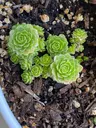
Rosularia platyphylla
Linnaei Kunth

Kilimanjaro Plant

Caladium
