Why Are My Firetails Chenille Leaves Droopy?
Acalypha pendula
By the Greg Editorial Team
Feb 07, 2024•4 min read
This article was created with the help of AI so we can cover more plants for you. May contain errors. See one? Report it here.
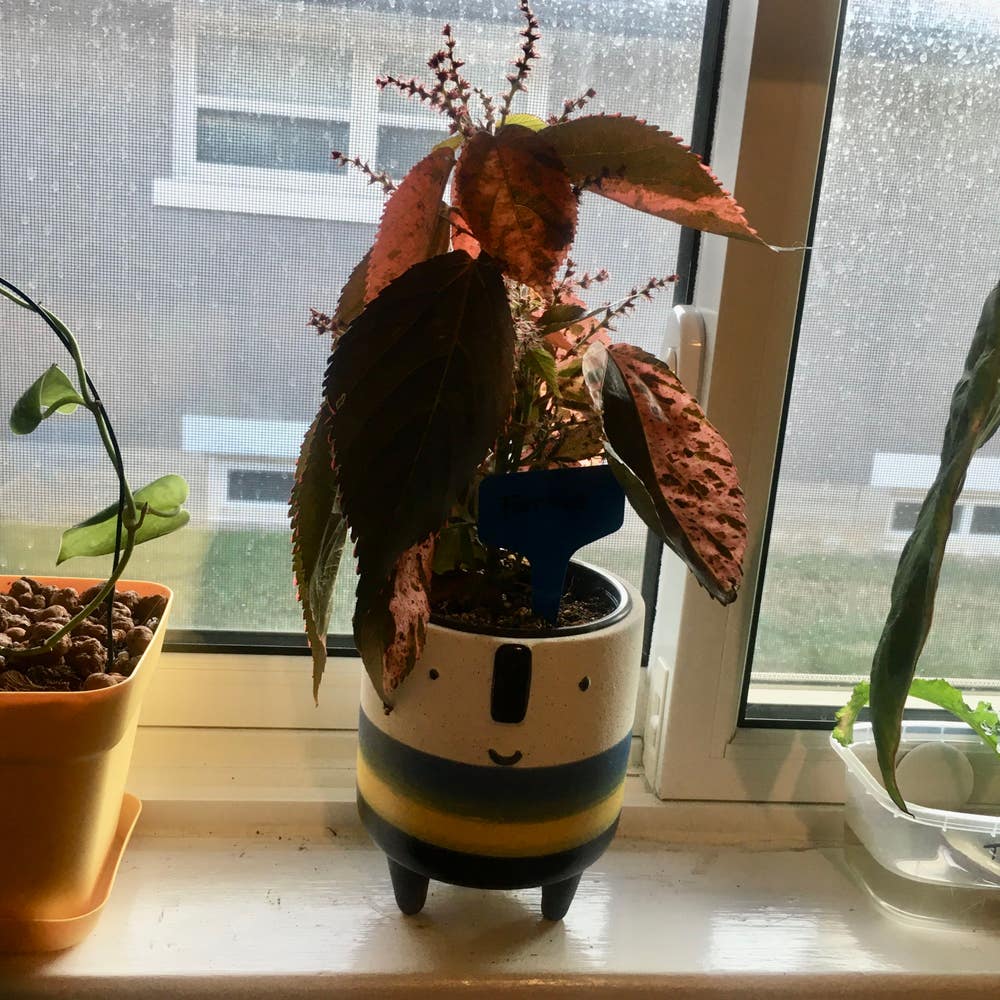
Rescue your Firetails Chenille from droopiness with these essential care tips! 🌿🚫💧
- Overwatering and underwatering can both cause droopy leaves.
- Bright, indirect light and 65-80°F keep Firetails Chenille happy.
- Pests and poor drainage are enemies; use neem oil and well-draining soil.
When Water Works Against You
🌊 Too Much of a Good Thing: Overwatering Woes
Soggy soil isn't a spa treatment for your Firetails Chenille; it's a distress signal. If the soil feels like a wet sponge that's seen better days, you've overdone it. Leaves turning into a mushy mess? That's your cue to cut back on the H2O. Ease up on watering and let the soil dry out to touch. Ensure your pot has drainage holes to prevent your plant from drowning in excess moisture.
🏜️ Thirsty for Attention: The Underwatering Undertaking
When leaves resemble a crunchy autumn leaf pile, your Firetails is screaming for a drink. Crispy tips and a wilted posture are its way of saying, "Water me, please!" To quench its thirst, introduce a soak-and-dry cycle. Let the plant rehydrate slowly, then allow the soil to dry slightly before the next watering. This approach encourages roots to seek moisture and grow stronger. Remember, your plant's hydration needs can change with the seasons, so stay alert and adjust accordingly.
Light and Temperature: The Balancing Act
⭐️ Seeking the Spotlight: Light Levels for Lively Leaves
Firetails Chenille plants can be drama queens when it comes to light. Too much light and they curl up tighter than a hedgehog, trying to escape the sun's harsh rays. Not enough, and they stretch out like they're reaching for the last cookie on a high shelf, resulting in sparse, leggy growth.
Bright, indirect sunlight is the sweet spot. It's like finding the perfect parking space that's not too tight but still close to the entrance. Consider placing your plant near an east or west-facing window to bathe it in that golden glow without the scorch.
❄️ Keeping Your Cool (or Warmth): Temperature Trials
When it comes to temperature, Firetails Chenille plants prefer it just right – not too hot, not too cold. Consistent temperatures between 65°F and 80°F keep them from throwing a fit. Think of it as avoiding the mood swings of a toddler by keeping nap times regular.
Avoid placing your plant near drafts or radiators. Sudden temperature changes are to plants what icebergs were to the Titanic. Instead, create a cozy nook that maintains a steady climate, ensuring your Chenille doesn't go from perky to droopy faster than a deflated balloon.
The Unseen Enemies: Pests and Pathogens
🐛 Bug Battles: Picking on Pests
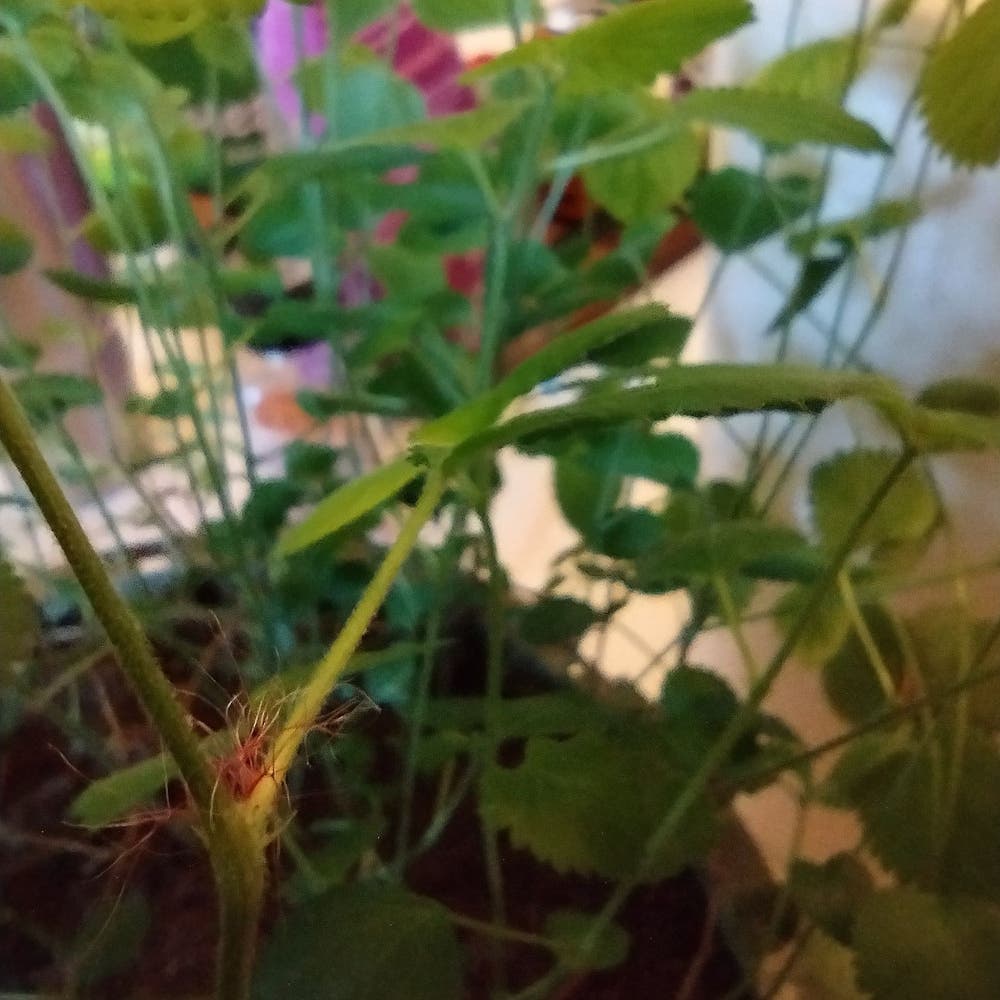
Your Firetails Chenille might be under siege by tiny invaders. Spider mites leave fine webs, while aphids make leaves sticky. Vigilance is key. Flip leaves, inspect stems, and if you spot these pests, it's time to act.
Insecticidal soap or neem oil can serve as your plant's bouncers, showing pests the door. For an eco-friendly approach, consider introducing beneficial insects like ladybugs or predatory mites. They're nature's pest control, turning your plant's problem into their buffet.
🍄 Fungus Among Us: Disease Dilemmas
Fungal issues often start as mysterious spots on leaves. If you see these, increase airflow and consider a fungicide. Fungi are like that guest who never leaves; act fast before they settle in.
Regular inspections are crucial. Look for black spots, wilted shoots, or a rotten smell, which could signal a bacterial infection. These are red flags for a plant health crisis. Be proactive: keep the air moving and foliage dry to fend off these fungal gatecrashers.
Soil and Roots: The Foundation of Firmness
🌱 Getting to the Root of the Problem: Soil and Drainage
Swampy grounds are a no-no for Firetails Chenille. If the soil feels like a wrung-out sponge, you've got a problem. Overly moist conditions are an open invitation for fungal parties—and trust me, you don't want to be on that guest list.
🌿 Laying the Groundwork: Mixing up the Perfect Soil Structure for Stability
A light and fluffy soil mix is what your plant's roots crave. Think of it as a five-star hotel for the root system—luxurious yet functional. Ensure your potting mix is well-draining; it's the difference between a thriving plant and a droopy disaster.
Regular check-ups are crucial. If your soil smells like last week's forgotten leftovers, it's time for an intervention. Mix in some perlite or coarse sand to improve drainage and aeration. Remember, your plant's roots need to breathe, not swim.
⚠️ Safety First
This content is for general information and may contain errors, omissions, or outdated details. It is not medical, veterinary advice, or an endorsement of therapeutic claims.
Always consult a qualified healthcare professional before using any plant as food, medicine, or supplement.
Never eat any plant (or feed one to pets) without confirming its identity with at least two trusted sources.
If you suspect poisoning, call Poison Control (800) 222-1222, the Pet Poison Helpline (800) 213-6680, or your local emergency service immediately.
Spotted an error? Please report it here.
Keep your Firetails Chenille's leaves upright and vibrant 🌿 with Greg's custom care plan, ensuring the perfect balance of water, light, and pest management.