Why Are There Black Spots on My Firetails Chenille Leaves?
Acalypha pendula
By the Greg Editorial Team
Feb 07, 2024•4 min read
This article was created with the help of AI so we can cover more plants for you. May contain errors. See one? Report it here.
Banish black spots on your Firetails Chenille 🍂 with these proven plant-saving strategies!
- Fungal and bacterial infections cause black spots on Firetails Chenille.
- Combat with fungicides, bactericides, and cultural changes like proper watering.
- Prevent spots with early morning watering, airflow, and plant cleanliness.
Spotting the Trouble: Recognizing Black Spots on Your Plant
🚨 Visual Cues: The First Red Flags
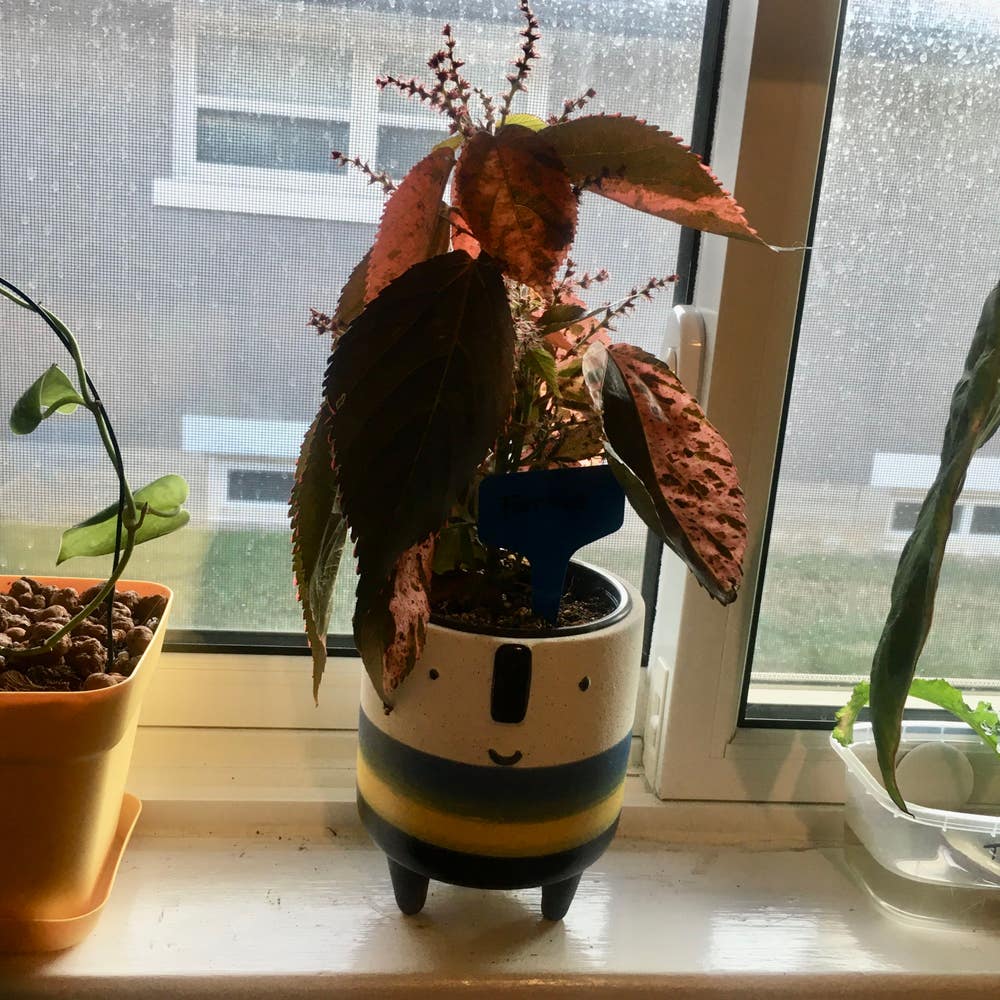
Black spots on Firetails Chenille leaves are like unwanted graffiti on your plant's lush canvas. They start as tiny, dark pinpricks, often less than ⅛ inch in diameter. Don
Rooting Out the Causes: What's Behind the Black Spots?
🍄 Fungal Foes
When your Firetails Chenille sports black spots, it's not just a fashion statement—it's a distress signal. Fungal infections are the prime suspects here. Anthracnose and leaf spot fungi are like unwanted guests at a party, thriving in the moist, warm conditions your plant provides. They leave their mark in the form of circular lesions or irregular brown spots, often surrounded by yellow halos.
🕵️ Identifying Common Fungal Culprits
- Anthracnose: This fungus is notorious for causing dark, sunken lesions on leaves.
- Leaf Spot: Look for brown or black spots with a yellowish border, a classic sign of this fungal annoyance.
💧 Bacterial Baddies
Not all black spots are fungal in nature; some have a bacterial origin. Bacterial leaf spot can hit your Firetails Chenille hard, manifesting as water-soaked lesions that turn into black or brown spots. These spots are typically more irregular in shape compared to their fungal counterparts and can give the leaves a blighted appearance.
🦠 Understanding Bacterial Leaf Spot
- Symptoms: Wet-looking, slimy spots that may coalesce into larger areas of dead tissue.
- Impact: Severe infections can lead to leaf drop and a generally unhappy plant.
Remember, both fungal and bacterial issues love moisture and poor air circulation. So, if your Firetails Chenille is looking spotty, it might be time to reassess your watering habits and airflow around your green buddy.
Nipping It in the Bud: Effective Treatments for Black Spots
🛡️ Battling Fungal Infections
Fungicides are your plant's knights in shining armor against fungal foes. Neem oil and potassium bicarbonate solutions are your trusted allies. Rotate these to keep the fungi guessing and resistance at bay. Apply as soon as you spot trouble, and follow the label's battle plan to the letter.
Cultural changes are your plant's lifestyle adjustments for better health. Water at the base during the early morning, allowing leaves to dry and deny fungi their dance floor. Prune with sterilized tools—think of it as removing the infected limbs to save the body. Keep the area clean; it's the unsung hero in this saga.
🛡️ Combating Bacterial Infections
For bacterial infections, copper-based bactericides are your go-to. They're not miracle cures but part of a broader strategy. Apply with precision and pair with good sanitation and cultural practices to create an environment where bacteria can't thrive.
Cultural practices are your plant's daily habits for a strong immune system. Keep leaves dry, avoid overhead watering, and ensure proper fertilization. A well-fed plant is a fortress against bacterial sieges. Act fast, like catching a cold; the sooner you deal with it, the less damage it'll do.
Keeping Your Plant Spotless: Prevention Strategies
💧 Water Wisdom
Early morning watering is your secret weapon against black spots. It's all about timing—water when the sun can dry the leaves, not when nightfall gives fungi a free pass. Keep the soil moist, but don't drown your plant's roots; think of it as a cocktail, not a swimming pool.
🌡️ Climate Control
Humidity needs a watchful eye. Use a hygrometer to strike that perfect moisture balance. If you're hitting rainforest levels, bring in a dehumidifier; if it's more Sahara, a pebble tray or humidifier can up the ante. And airflow—don't let your plant stew in still air. A fan on low or a well-placed window can keep the air moving without turning your plant into a windsock.
🧼 Cleanliness is Key
Keep it clean, folks. Wipe down those leaves, sterilize your scissors, and give your pots a good scrub. It's like basic plant hygiene—skip it, and you're rolling out the red carpet for pathogens. Regular inspections are non-negotiable; catch those black spots early, and you're already ahead of the game.
⚠️ Safety First
This content is for general information and may contain errors, omissions, or outdated details. It is not medical, veterinary advice, or an endorsement of therapeutic claims.
Always consult a qualified healthcare professional before using any plant as food, medicine, or supplement.
Never eat any plant (or feed one to pets) without confirming its identity with at least two trusted sources.
If you suspect poisoning, call Poison Control (800) 222-1222, the Pet Poison Helpline (800) 213-6680, or your local emergency service immediately.
Spotted an error? Please report it here.
Keep your firetails chenille spot-free and thriving 🍃 by using Greg to balance moisture and airflow, preventing those black spots before they start!