Why Are There Brown Spots on My Firetails Chenille Leaves?
Acalypha pendula
By the Greg Editorial Team
Feb 07, 2024•4 min read
This article was created with the help of AI so we can cover more plants for you. May contain errors. See one? Report it here.
Prevent a plant health crisis 🚨 by tackling brown spots on Firetails Chenille with our expert guide! 🌿
- Small lesions signal the start of brown spots on Firetails Chenille.
- Overwatering, pests, sunburn, and fungi are the main culprits.
- Adjust care routines to prevent and treat brown spots effectively.
Spotting the Trouble: Symptoms of Brown Spots on Firetails Chenille
🚨 Initial Signs
Small lesions on leaves can be the first whisper of trouble in your Firetails Chenille. These early symptoms may seem inconsequential, but they're your cue to lean in closer.
🚑 Advanced Symptoms
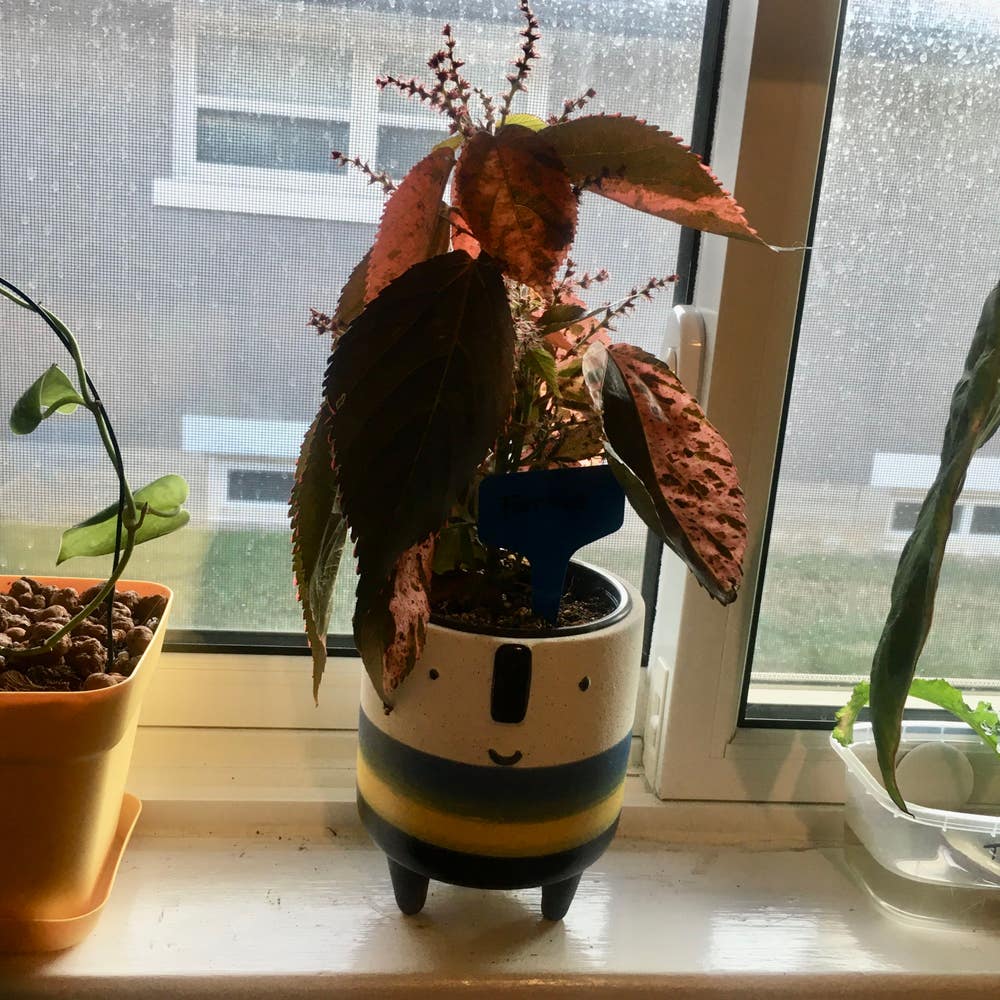
When brown spots spread their territory across the leaves, it's not just a cosmetic hiccup; it's a full-blown plant health crisis. The once vibrant foliage can become a battleground, where each lesion tells a story of the plant's struggle.
Zeroing in on the Culprits: Direct Causes of Brown Spots
💧 Too Much Water Love
Overwatering is the silent killer of Firetails Chenille, leading to soft, dark spots pleading for a hydration break. It's a classic case of too much love doing more harm than good.
🕷️ Unwanted Guests
Spider mites and aphids are the vandals of the plant world, leaving behind brown spots as evidence of their feasting frenzy. These pests are like uninvited guests at a dinner party, and they don't RSVP.
🌞 Sunburn Marks
Excessive sunlight is the equivalent of a plant sunbathing without sunscreen, resulting in crispy, bleached areas. It's the botanical version of a nasty sunburn, with water droplets acting as mini magnifying glasses under the sun's glare.
🍄 Fungal Foes
Fungal infections are the crafty invaders of the plant kingdom, characterized by spots with yellow halos or concentric rings. They're like unwanted party crashers that refuse to leave, thriving in the soggy aftermath of overwatering.
Healing the Spots: Targeted Remedies for Each Cause
💧 Drying Out the Problem
Overwatering is like giving your plant too much love—it can't handle it. Adjust watering immediately. Stick your finger in the soil; if it's wet beyond the first inch, hold off on the H2O. Let the topsoil dry out before you water again. It's simple but effective.
🐞 Pest Control Tactics
Spider mites and aphids are the party crashers you didn't invite. Blast them with water or introduce natural predators like ladybugs. Neem oil and insecticidal soap are your go-to for a chemical assist. Remember, it's a war on bugs, not your plant—apply with precision.
🌿 Shading Strategies
Your Firetails Chenille is no sunbather. Protect it from harsh rays with strategic placement or use sheer curtains to filter the light. Think of it as SPF for plants. Monitor sun exposure; even the hardiest plants have their limits.
🍄 Fungicide Fixes
Fungi are the silent assassins of the plant world. Rotate your fungicides to keep them off-balance—always read the label, because more isn't better. Coat affected areas thoroughly, but don’t overdo it. Remember, you're healing, not harming.
Keeping the Spots at Bay: Prevention Strategies
💧 Water Wisdom
Consistency is your ally in the battle against brown spots. Stick to a watering schedule that lets the soil's top layer dry out before giving your Firetails Chenille another drink. Overzealous watering is a no-go; soggy soil is a fungal fiesta waiting to happen.
🐜 Pest Patrol
Regular plant check-ups are non-negotiable. Catching pests early is like finding a typo before sending an important email—it saves a lot of hassle. If you spot trouble, show pests the door with a gentle but firm eviction notice via insecticidal soap or neem oil.
🌞 Sunlight Savvy
Your Firetails Chenille doesn't need a sunburn to know it's had too much sun. Shade is your plant's best friend during peak sunlight hours. Adjust your plant's location with the seasons to ensure it gets the right amount of light without the crispy side effects.
🍄 Fungal Prevention
Airflow is the unsung hero in your quest to prevent brown spots. Think of your plant as enjoying a gentle breeze, not a full-blown windstorm. A strategic placement in a naturally breezy area or a fan on low can make all the difference. Remember, good circulation is key to keeping those fungal foes at bay.
⚠️ Safety First
This content is for general information and may contain errors, omissions, or outdated details. It is not medical, veterinary advice, or an endorsement of therapeutic claims.
Always consult a qualified healthcare professional before using any plant as food, medicine, or supplement.
Never eat any plant (or feed one to pets) without confirming its identity with at least two trusted sources.
If you suspect poisoning, call Poison Control (800) 222-1222, the Pet Poison Helpline (800) 213-6680, or your local emergency service immediately.
Spotted an error? Please report it here.
Banish those pesky brown spots on your Firetails Chenille by letting Greg tailor a spot-on 🎯 care schedule, ensuring your plant stays hydrated and healthy without the guesswork.