4 Winter Threats to Your Endurascape Red Verbena ❄️
Verbena 'Endurascape Red'
By the Greg Editorial Team
Oct 15, 2024•5 min read
This article was created with the help of AI so we can cover more plants for you. May contain errors. See one? Report it here.
- ❄️ Frost protection is crucial—use cloths to shield your Endurascape Red Verbena.
- 🌱 Mulching insulates roots and stabilizes soil temperatures during winter.
- 🌬️ Windbreaks reduce chilling effects, helping your verbena survive harsh conditions.
Winter Care Strategies
❄️ Frost Protection Techniques
Frost protection is crucial for your Endurascape Red Verbena. A sudden drop in temperature can damage delicate foliage and roots, so taking preventive measures is essential.
Methods for Protecting from Frost
Using Frost Cloths or Blankets: Cover your plants with frost cloths or blankets during cold nights. This simple barrier traps heat and shields them from icy winds.
Mulching Around the Base: Apply a layer of mulch around the base of your plants. This insulates the roots and helps maintain a stable soil temperature.
Creating Windbreaks: Set up barriers or plant other vegetation to act as windbreaks. This reduces the chilling effect of harsh winds on your verbena.
Timing for Implementing Frost Protection Measures
Implement these frost protection techniques before the first frost is forecasted. Keeping an eye on weather reports will help you act promptly.
💧 Adjusting Watering Schedules
Understanding your verbena's reduced water needs during dormancy is vital. Overwatering can lead to root rot, so adjusting your watering schedule is key.
Recommended Watering Schedule in Winter
Frequency: Water every 2-3 weeks, depending on the weather conditions. Less frequent watering allows the soil to dry out, which is beneficial during dormancy.
Signs of Overwatering: Look for yellowing leaves or mushy roots. These are clear indicators that your plant is receiving too much water.
Tips for Checking Soil Moisture Levels
Stick your finger into the soil about an inch deep. If it feels dry, it’s time to water; if it’s still moist, hold off for a bit longer.
🌱 Fertilizing Considerations
During winter, it's important to reduce fertilization. Your verbena is in a dormant state and doesn’t require the same nutrients as during its active growth phase.
Recommended Fertilizing Schedule for Winter
Avoiding Fertilization: Hold off on fertilizing until spring growth resumes. This prevents unnecessary stress on your plants.
Types of Fertilizers to Use When Spring Arrives: When spring comes, opt for a balanced fertilizer to support new growth. Look for options that are high in phosphorus to encourage blooming.
By following these winter care strategies, you can ensure your Endurascape Red Verbena remains healthy and vibrant. Next, let’s explore how to care for your plants indoors during the colder months.
Indoor Winter Care
🏠 When to Bring Indoors
As winter approaches, it's crucial to recognize the signs that your Endurascape Red Verbena needs to come indoors. Keep an eye on weather forecasts; if frost or extreme cold is predicted, it's time to act.
Additionally, observe your plants closely. If they show signs of stress, such as drooping leaves or slowed growth, they may be struggling with the cold. Aim to bring them indoors before the first frost hits to ensure their health and vitality.
🌡️ Ideal Indoor Conditions
Once indoors, your plants will thrive best in specific conditions. Aim for a temperature range of 60°F to 70°F (15°C to 21°C) to keep them comfortable.
Light is another critical factor. Provide bright, indirect sunlight to help them flourish. Don't forget about humidity; maintaining moderate levels will support their growth. Lastly, adjust your watering routine to accommodate indoor conditions, ensuring you don’t overwater.
By creating the right environment, you’ll set your Endurascape Red Verbena up for success during the winter months. This preparation will make the transition back outdoors in spring much smoother.
Spring Preparation and Recovery
🌨️ Signs of Winter Damage
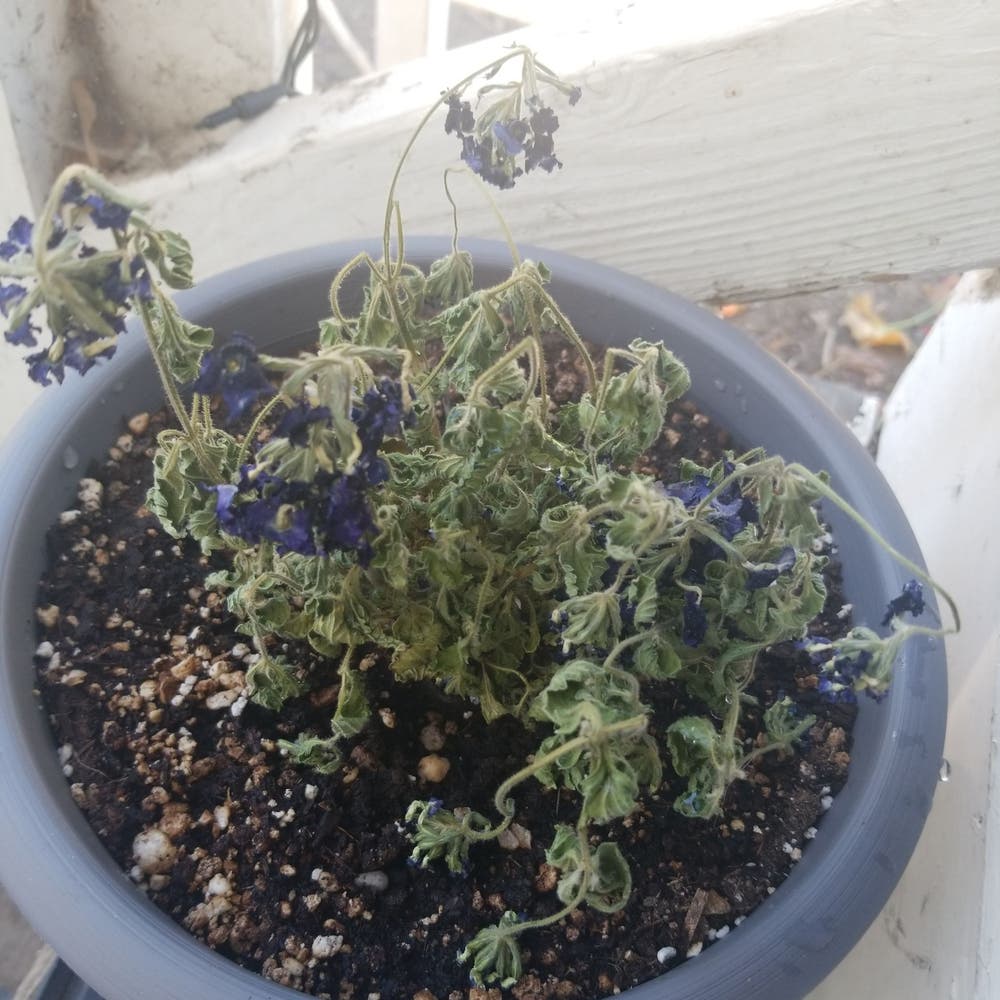
As winter fades, it's crucial to assess your Endurascape Red Verbena for signs of damage. Look for wilting or yellowing leaves, which indicate stress, and stunted growth or dead stems that signal more severe issues.
Identifying these symptoms early helps you plan for recovery. A thorough inspection will guide your next steps in rejuvenating your plants.
🌱 Steps for Recovery and Rejuvenation
Start by pruning any damaged or dead foliage. This not only improves the plant's appearance but also encourages new growth.
Next, gradually reintroduce your Verbena to outdoor conditions. The hardening off process should last about 7-10 days, allowing your plants to acclimate to the changing environment.
When spring arrives, adjust your fertilization and watering practices. Use a balanced fertilizer to kickstart growth, applying it according to the recommended rates for your specific plant needs.
By following these steps, you can ensure a vibrant recovery for your Endurascape Red Verbena. With proper care, your plants will thrive as they transition into the warmer months.
Common Challenges and Solutions
Addressing Cold Hardiness Issues ❄️
Understanding cold hardiness is crucial for the survival of your Endurascape Red Verbena during winter. These plants thrive in USDA zones 7-10, but even within these zones, they can face challenges from extreme cold.
To enhance cold hardiness, start by selecting appropriate planting locations. Choose spots that offer some natural protection, like near walls or larger plants that can act as windbreaks.
Using protective coverings during extreme weather is another effective strategy. Frost cloths or blankets can provide an extra layer of insulation, helping your plants withstand harsh conditions.
Dealing with Pests and Diseases 🐛
Winter can bring its own set of pests that threaten your plants. Common culprits include aphids and spider mites, which can cause significant damage if left unchecked.
To control these pests, look for signs like webbing or discolored leaves. Regular inspections can help catch infestations early, allowing for timely intervention.
Preventative measures are key to minimizing pest problems. Maintaining plant health through proper care and monitoring can significantly reduce the likelihood of infestations.
Diseases can also arise during winter, with root rot and fungal infections being the most common. Symptoms include wilting or yellowing leaves, which signal that your plant may be struggling.
Identifying these issues early is essential for effective treatment. Ensure proper drainage and avoid overwatering to keep your plants healthy through the colder months.
With these strategies in place, you'll be better equipped to tackle the challenges of winter care. Next, let’s explore how to prepare your plants for a vibrant spring recovery.
⚠️ Safety First
This content is for general information and may contain errors, omissions, or outdated details. It is not medical, veterinary advice, or an endorsement of therapeutic claims.
Always consult a qualified healthcare professional before using any plant as food, medicine, or supplement.
Never eat any plant (or feed one to pets) without confirming its identity with at least two trusted sources.
If you suspect poisoning, call Poison Control (800) 222-1222, the Pet Poison Helpline (800) 213-6680, or your local emergency service immediately.
Spotted an error? Please report it here.
Keep your Endurascape Red Verbena thriving this winter ❄️ by using Greg's tailored reminders for frost protection and watering, ensuring a vibrant recovery come spring!