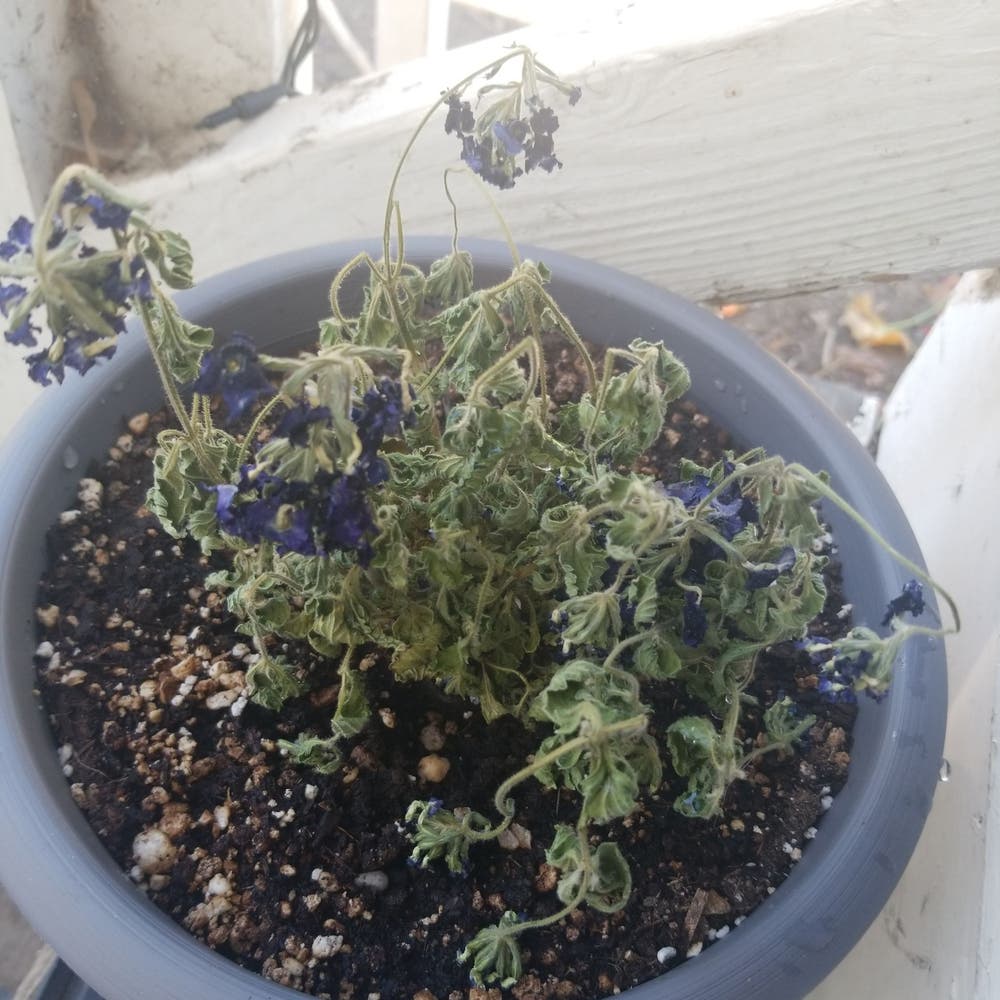
How to Cure Brown Spots on Your Endurascape Red Verbena 🩹
Verbena 'Endurascape Red'
By the Greg Editorial Team
Oct 15, 2024•6 min read
This article was created with the help of AI so we can cover more plants for you. May contain errors. See one? Report it here.
- 🌱 Brown spots on Endurascape Red Verbena stem from fungal infections, pests, or nutrient issues.
- 💧 Overwatering and underwatering both cause browning; maintain balanced watering practices.
- 🌞 Prevent sunburn by gradually acclimating plants to full sun exposure.
Causes of Brown Spots
🦠 Fungal Infections and Their Impact
Fungal infections are a primary culprit behind brown spots on your Endurascape Red Verbena. Common issues include powdery mildew, which manifests as white powdery spots, and leaf spot diseases, characterized by brown or black spots on leaves.
Conditions that promote these fungal issues often stem from overwatering, which creates a damp environment ideal for fungi, and poor air circulation, where dense planting traps humidity, exacerbating the problem.
🥦 Nutrient Deficiencies
Nutrient deficiencies can significantly affect the health of your verbena. Nitrogen is crucial for leaf growth; a lack of it can lead to yellowing and brown spots. Similarly, potassium plays a vital role in overall plant health, and its deficiency may cause leaf tip burn and spots.
Symptoms of these deficiencies include yellowing leaves with brown edges or spots, alongside stunted growth and poor flowering.
🚰 Watering Issues
Watering practices can make or break your verbena's health. Overwatering leads to root rot and fungal infections, which in turn cause brown spots. Conversely, underwatering stresses the leaves, resulting in browning due to dehydration.
Signs of improper watering are easy to spot: wilting leaves indicate underwatering, while mushy roots signal overwatering.
☀️ Sunburn and Environmental Stress
Sunburn can also contribute to brown spots on verbena leaves. Symptoms include brown, crispy spots on leaves that have been exposed to intense sunlight. This often occurs when plants suddenly transition from shade to full sun.
Other environmental stress factors include extreme temperatures, both hot and cold, which can lead to noticeable leaf discoloration.
🐛 Pest Infestations
Pest infestations are another potential cause of brown spots on your verbena. Common pests include aphids, small sap-sucking insects that cause leaf curling and discoloration, and spider mites, which create webbing and cause stippling on leaves.
Signs of pest infestations include visible insects on leaves and a sticky residue, known as honeydew, left behind on the foliage.
Understanding these causes is essential for effectively treating and preventing brown spots on your Endurascape Red Verbena. Next, we’ll explore how to diagnose these issues accurately.
Diagnosing Brown Spots
🦠 Identifying Symptoms of Fungal Infections
To diagnose fungal infections on your Endurascape Red Verbena, look for circular brown spots with yellow halos. You might also notice white powdery growth on the leaves, especially during humid conditions.
🥴 Recognizing Signs of Nutrient Deficiencies
Nutrient deficiencies can manifest as yellowing leaves with brown spots, particularly in older foliage. Poor flowering and overall plant vigor are additional indicators that your plant may be lacking essential nutrients.
💧 Assessing Watering Practices
Evaluate your watering practices by checking soil moisture levels. A moisture meter or a simple finger test can help, along with inspecting for standing water in pots or garden beds.
🌤️ Evaluating Environmental Conditions
Ensure your verbena receives 6-8 hours of full sun daily for optimal growth. Additionally, keep an eye on temperature extremes, as sudden changes can stress your plant and contribute to brown spots.
By diagnosing these issues early, you can take proactive steps to restore your plant's health. Next, let’s explore effective treatment options to cure those pesky brown spots.
Treatment Options
🌱 Organic Fungicides for Fungal Infections
To combat fungal infections, consider using organic fungicides. Neem oil is a standout choice, effectively tackling various fungal diseases.
Another option is a baking soda solution. Simply mix 1 tablespoon of baking soda in 1 gallon of water for a homemade fungicide.
For best results, apply these treatments every 7-14 days during the plant's active growth phase.
🌿 Fertilization Strategies for Nutrient Deficiencies
Addressing nutrient deficiencies is crucial for maintaining healthy Endurascape Red Verbena. Use balanced NPK fertilizers, applying them according to package instructions for optimal results.
Organic options like compost or well-rotted manure can also enrich the soil. Fertilize during the growing season, ideally in spring, to support robust growth.
💧 Adjusting Watering Techniques
Proper watering techniques can make a significant difference. Water your plants deeply but infrequently to encourage deep root growth.
Allow the top inch of soil to dry out between waterings. This practice helps prevent overwatering and promotes healthier plants.
☀️ Protective Measures Against Sunburn
Sunburn can be a real issue for verbena. To protect your plants, gradually acclimate them to full sun exposure.
If necessary, use shade cloth during peak sun hours to shield them from intense sunlight. This simple step can prevent crispy, brown spots on leaves.
🐛 Pest Control Methods
Pest infestations can wreak havoc on your plants. For effective treatment, use insecticidal soap and spray it directly on affected areas.
Neem oil is also effective against both pests and fungal issues. Apply these treatments every 7-10 days until you notice a reduction in pest activity.
By implementing these treatment options, you can help your Endurascape Red Verbena thrive. Next, let’s explore preventive measures to keep your plants healthy and vibrant.
Preventive Measures
💧 Best Practices for Watering
Watering your Endurascape Red Verbena correctly is crucial. Aim to water early in the morning to minimize evaporation and ensure your plants get the moisture they need.
Adjust your watering frequency based on weather conditions and soil moisture levels. This flexibility helps prevent both overwatering and underwatering, keeping your plants healthy.
🏺 Soil Preparation and Drainage Tips
Using well-draining soil mixes is essential for healthy verbena. Consider adding perlite or sand to improve drainage and aeration.
Make sure pots have drainage holes to prevent water from pooling. For garden beds, amend the soil with organic matter to enhance drainage and nutrient retention.
☀️ Choosing the Right Location for Optimal Sunlight
Selecting the right spot for your verbena can make all the difference. Aim for a location that receives full sun for at least 6-8 hours daily.
Avoid shaded areas, as they can lead to fungal issues and poor growth. A sunny spot will help your plants thrive and resist diseases.
🔍 Regular Monitoring for Pests and Diseases
Regular inspections are key to catching problems early. Check your plants weekly for any signs of pests or diseases.
If you spot any affected leaves, remove them immediately to prevent the spread of issues. Staying proactive can save your plants from serious damage.
🍂 Seasonal Care Adjustments
Adjust your care routine based on the seasons. Watering and fertilization needs change as temperatures fluctuate and growth patterns shift.
Prepare for winter by cutting back your plants and adding mulch to protect the roots. These seasonal adjustments will help your verbena stay strong year-round.
By implementing these preventive measures, you can significantly reduce the risk of brown spots and keep your Endurascape Red Verbena flourishing. Next, let’s explore effective treatment options for when issues do arise.
⚠️ Safety First
This content is for general information and may contain errors, omissions, or outdated details. It is not medical, veterinary advice, or an endorsement of therapeutic claims.
Always consult a qualified healthcare professional before using any plant as food, medicine, or supplement.
Never eat any plant (or feed one to pets) without confirming its identity with at least two trusted sources.
If you suspect poisoning, call Poison Control (800) 222-1222, the Pet Poison Helpline (800) 213-6680, or your local emergency service immediately.
Spotted an error? Please report it here.
Transform your Endurascape Red Verbena from brown to brilliant green 🌿 with Greg's tailored watering alerts and expert community tips for thriving plants!