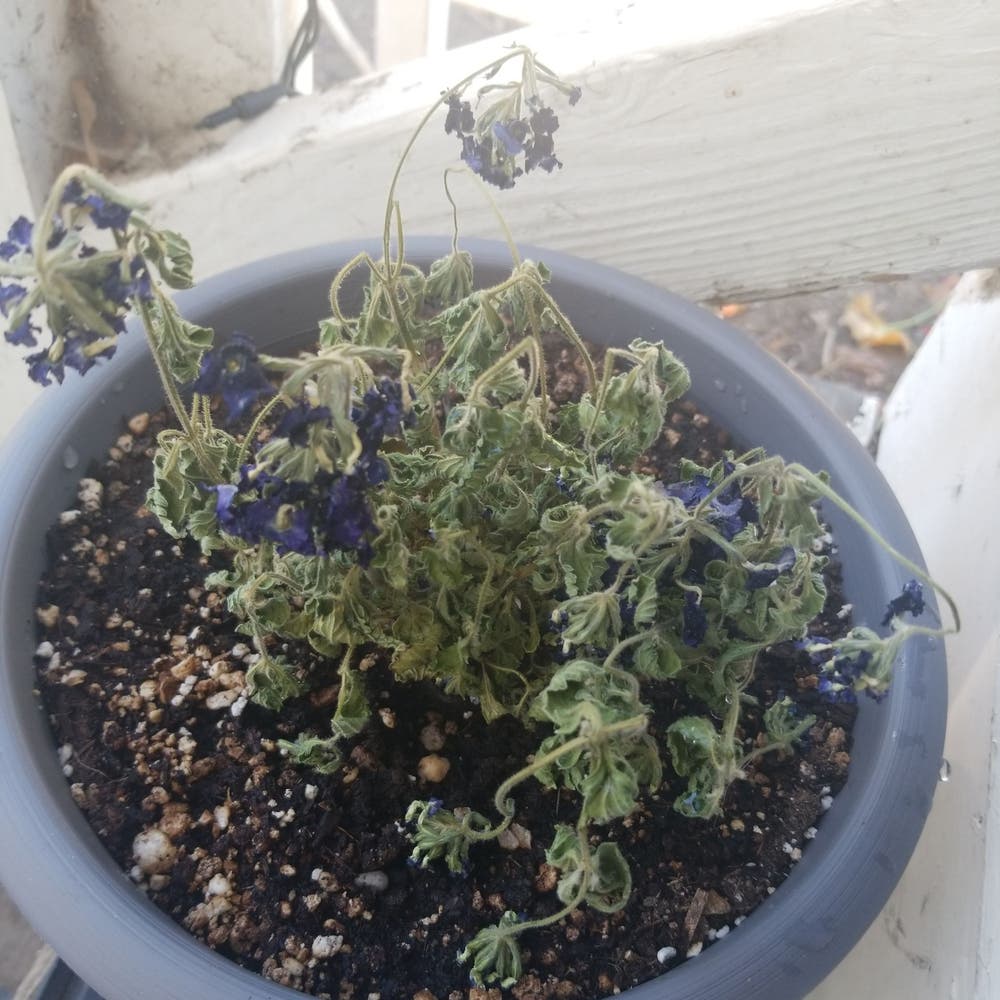
Managing Leaf Drop on Your Endurascape Red Verbena 💧
Verbena 'Endurascape Red'
By the Greg Editorial Team
Oct 15, 2024•8 min read
This article was created with the help of AI so we can cover more plants for you. May contain errors. See one? Report it here.
- 🌡️ Extreme temperatures and humidity cause leaf drop in Endurascape Red Verbena.
- 💧 Balance watering: Overwatering or underwatering leads to leaf drop; maintain consistent moisture.
- 🌱 Nutrient deficiencies like nitrogen or potassium can cause yellowing or browning leaves.
Causes of Leaf Drop
🌡️ Environmental Stressors
Extreme temperatures can wreak havoc on your Endurascape Red Verbena. Heat stress can cause leaves to scorch, while sudden cold snaps may lead to unexpected leaf drop.
Humidity levels also play a crucial role in leaf health. Low humidity can dry out leaves, making them more susceptible to damage and drop.
💧 Watering Issues
Overwatering is a common pitfall for many gardeners. Symptoms include yellowing leaves and soggy soil, which can lead to root rot and ultimately cause leaf drop.
On the flip side, underwatering can be just as detrimental. Signs like wilting and dry leaf edges indicate stress, which can also result in leaf drop.
🥦 Nutrient Deficiencies
Nutrient deficiencies can significantly impact your Verbena's health. A lack of nitrogen often manifests as yellowing leaves, while potassium deficiency can cause browning at the leaf edges.
Recognizing these symptoms early can help you take corrective action before leaf drop occurs.
🐜 Pest Infestations
Pests can be a hidden threat to your plants. Aphids are notorious for causing leaf curling, while spider mites leave behind webbing and stippled leaves, both of which can lead to leaf drop if not addressed.
Regular inspections can help you catch these infestations early.
🍄 Fungal Diseases
Fungal diseases are another serious concern for Endurascape Red Verbena. Powdery mildew thrives in humid conditions and can cause significant leaf damage, while root rot can lead to a decline in overall plant health.
Understanding these common issues is key to preventing leaf drop and maintaining a vibrant garden.
As we move forward, diagnosing leaf drop will help you pinpoint the exact cause and take effective action.
Diagnosing Leaf Drop
🌤️ Assessing Environmental Conditions
Light Exposure
Endurascape Red Verbena thrives in full sunlight, ideally receiving at least six hours of direct light daily. If your plants exhibit etiolated growth—long, leggy stems with sparse leaves—this is a clear sign they’re not getting enough light, which can lead to leaf drop.
Temperature Fluctuations
These plants prefer a temperature range of 65°F to 75°F (18°C to 24°C). Sudden temperature changes, especially drops below 50°F (10°C), can stress the plant, causing leaves to drop prematurely.
🌱 Soil and Water Analysis
Checking Soil Moisture Levels
To assess soil moisture, use the finger test: insert your finger about an inch into the soil. If it feels dry, it’s time to water; if it’s still moist, hold off. Endurascape Red Verbena prefers soil that is consistently moist but not soggy.
Evaluating Drainage and Soil Quality
Well-drained soil is crucial for healthy Verbena. Signs of poor drainage include water pooling on the surface or compacted soil, which can lead to root rot and subsequent leaf drop.
🐛 Identifying Pests and Diseases
Common Pests Affecting Verbena
Aphids and spider mites are common culprits that can wreak havoc on your Verbena. Look for aphids clustering on new growth or spider mites leaving fine webbing; both can lead to significant leaf health issues.
Signs of Fungal Infections
Fungal diseases often manifest as powdery spots or wilting leaves. Conditions like high humidity and poor air circulation can promote fungal growth, making it essential to monitor your plants closely.
Understanding these diagnostic factors can help you take proactive measures to keep your Endurascape Red Verbena healthy and vibrant. Next, we’ll explore effective strategies for preventing leaf drop.
Preventing Leaf Drop
🌊 Best Practices for Watering
How to Water Endurascape Red Verbena
To keep your Endurascape Red Verbena thriving, aim to water it deeply but infrequently. Typically, watering once a week is sufficient, but adjust based on weather conditions.
Allow the soil to dry out between waterings. This practice helps prevent root rot and encourages healthy root development.
Signs of Proper Watering
Healthy moisture levels can be identified by the texture and color of the leaves. Look for vibrant green leaves that are firm to the touch, indicating the plant is well-hydrated.
If the leaves start to feel soft or appear dull, it may signal overwatering. Conversely, dry, crispy edges suggest underwatering.
🌱 Nutrient Management
Recommended Fertilizers
Endurascape Red Verbena benefits from balanced fertilizers, particularly those high in nitrogen and potassium. A slow-release fertilizer applied every 4-6 weeks during the growing season works wonders.
Timing is key; fertilize in early spring to kickstart growth and again in mid-summer for continued vigor.
Signs of Nutrient Deficiency
Watch for visual symptoms that indicate nutrient deficiencies. Yellowing leaves often signal a nitrogen shortage, while browning leaf edges can point to potassium deficiency.
Stunted growth is another red flag. If your Verbena isn’t thriving, it’s time to reassess its nutrient intake.
🐛 Pest and Disease Prevention
Regular Inspection Techniques
Conducting regular inspections of your plants is crucial for early detection of pests and diseases. Aim to check your Verbena at least once a week.
Look for signs of distress, such as unusual leaf discoloration or webbing. Early intervention can save your plant from severe damage.
Organic Pest Control Methods
For pest management, consider organic solutions like neem oil or insecticidal soap. These options are effective and safe for your plants and the environment.
Additionally, companion planting can deter pests naturally. Pairing your Verbena with certain herbs or flowers can create a balanced ecosystem that keeps harmful insects at bay.
By following these preventive measures, you can maintain a healthy Endurascape Red Verbena and enjoy its vibrant blooms throughout the season. Next, we’ll explore how to treat leaf drop effectively when it occurs.
Treating Leaf Drop
🚀 Immediate Actions to Take
Adjusting Watering Practices
To tackle leaf drop effectively, start by assessing your watering habits. If you suspect overwatering, check for yellowing leaves and soggy soil; these are clear indicators that your Verbena is drowning.
Conversely, if the leaves are wilting or showing dry edges, it’s time to increase your watering frequency. Aim for a schedule that allows the top inch of soil to dry out between waterings, ensuring your plant gets the moisture it needs without becoming waterlogged.
Treating Nutrient Deficiencies
Identifying nutrient deficiencies is crucial for restoring your plant's health. Look for yellowing leaves, which often signal a nitrogen deficiency, or browning leaf edges that could indicate a lack of potassium.
Once you've pinpointed the deficiency, choose a suitable fertilizer. A balanced, slow-release fertilizer applied every 4-6 weeks can help replenish essential nutrients and promote robust growth.
🌱 Long-term Care Strategies
Improving Soil Health
Healthy soil is the foundation of a thriving plant. Incorporate compost into your soil to enhance its nutrient content and structure, promoting better drainage and root health.
Aeration is another vital technique. It improves airflow in the soil, preventing compaction and ensuring your Verbena's roots can access the moisture and nutrients they need.
Implementing a Pest Management Plan
A proactive pest management strategy is essential for long-term health. Regularly inspect your plants for signs of pests like aphids or spider mites, and take action at the first sign of trouble.
Adjust your approach based on what you find. Monitoring your plants allows you to adapt your pest control methods, ensuring your Endurascape Red Verbena remains healthy and vibrant.
By implementing these immediate actions and long-term strategies, you'll be well on your way to reviving your Verbena and preventing future leaf drop. Next, let’s explore how to adjust care practices throughout the year for optimal growth.
Seasonal Considerations
🌱 Adjusting Care Practices Throughout the Year
Caring for your Endurascape Red Verbena requires a seasonal approach. Each time of year brings unique challenges and opportunities for your plants.
Spring Awakening
As temperatures rise, it's time to ramp up watering. Ensure the soil is moist but not soggy, promoting healthy growth after winter dormancy.
- Fertilization: Apply a balanced fertilizer to kickstart growth.
- Pest Watch: Inspect for early signs of pests as plants become more active.
Summer Care
In the heat of summer, your Verbena needs consistent moisture. Water deeply and regularly, especially during dry spells.
- Mulching: Use mulch to retain soil moisture and regulate temperature.
- Pest Control: Keep an eye out for aphids and spider mites, which thrive in warm weather.
Autumn Adjustments
As temperatures cool, reduce watering frequency. Your plants will require less moisture as growth slows down.
- Fertilizer: Cut back on fertilization to prepare for dormancy.
- Pruning: Trim back any dead or damaged leaves to promote airflow.
Winter Preparation
In winter, protect your Verbena from extreme cold. If you’re in a colder climate, consider bringing potted plants indoors.
- Watering: Water sparingly; the plants need less moisture during dormancy.
- Monitoring: Check for any signs of fungal diseases, as humidity can increase indoors.
Adapting your care practices throughout the year is crucial for maintaining healthy Endurascape Red Verbena. By staying attuned to seasonal changes, you can ensure your plants thrive no matter the weather.
Next, let’s explore how to treat leaf drop effectively, ensuring your Verbena remains vibrant and healthy.
⚠️ Safety First
This content is for general information and may contain errors, omissions, or outdated details. It is not medical, veterinary advice, or an endorsement of therapeutic claims.
Always consult a qualified healthcare professional before using any plant as food, medicine, or supplement.
Never eat any plant (or feed one to pets) without confirming its identity with at least two trusted sources.
If you suspect poisoning, call Poison Control (800) 222-1222, the Pet Poison Helpline (800) 213-6680, or your local emergency service immediately.
Spotted an error? Please report it here.
Keep your Endurascape Red Verbena thriving 🌼 by using Greg for tailored watering reminders and pest management tips that ensure vibrant, healthy leaves!