What to Do About Endurascape Red Verbena Root Rot 🥄
Verbena 'Endurascape Red'
By the Greg Editorial Team
Oct 15, 2024•5 min read
This article was created with the help of AI so we can cover more plants for you. May contain errors. See one? Report it here.
- 🌱 Early signs of root rot include yellowing leaves and wilting—act fast!
- 🧪 Inspect roots for discoloration and foul odors to identify issues early.
- 🌿 Repot in well-draining soil and water sparingly to prevent further rot.
Identifying Root Rot Symptoms
Visual Signs of Root Rot 🌿
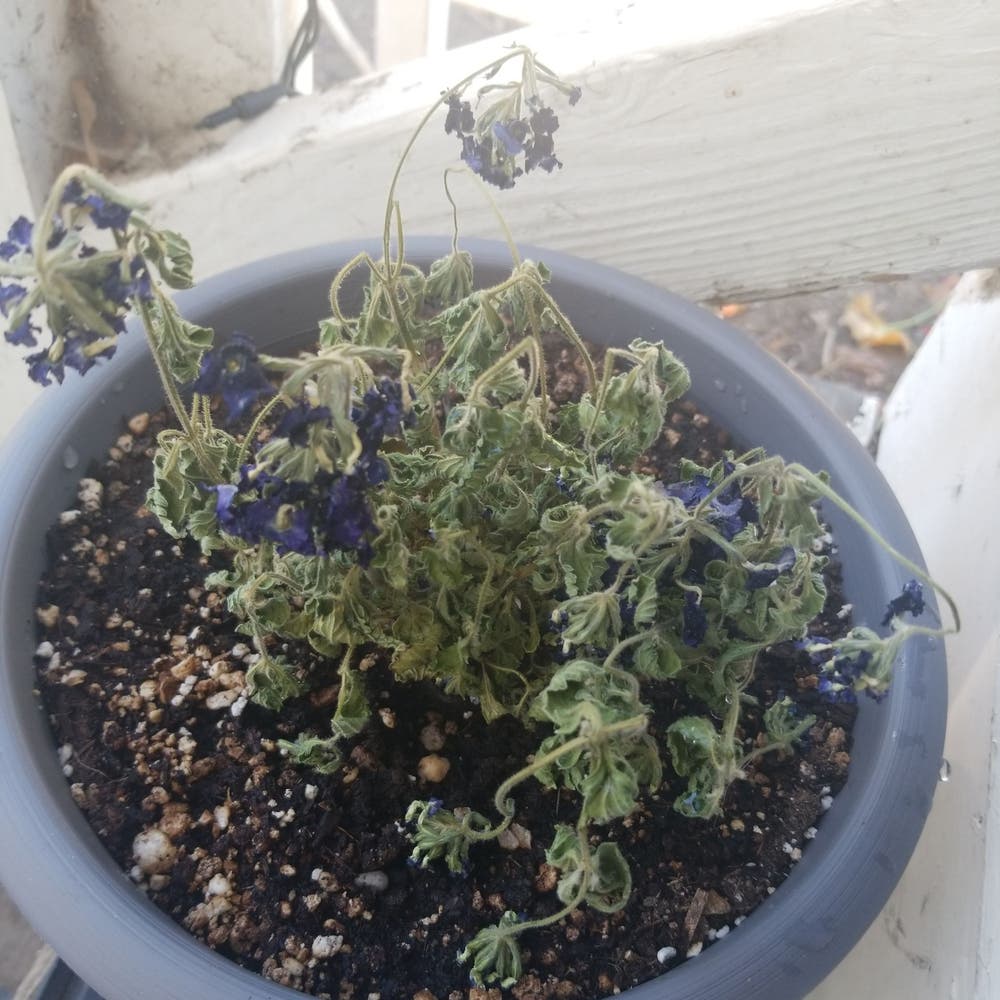
Recognizing root rot early can save your Endurascape Red Verbena from serious damage. Look for yellowing leaves, which often indicate nutrient deficiencies stemming from root damage.
Wilting, even when you've watered adequately, is another red flag. This can signal underlying root health issues that need immediate attention.
Finally, inspect the roots themselves. Dark, mushy roots are a clear sign of rot and indicate that your plant is in trouble.
How to Check for Root Rot in the Root System 🔍
To effectively check for root rot, follow this simple inspection process:
- Gently remove the plant from its pot.
- Examine the root ball for any discoloration or unusual texture.
- Pay attention to any foul odors, as these can indicate decay.
For this inspection, you'll need clean scissors or pruning shears to trim any affected roots. Keeping your tools sterilized is crucial to prevent further issues.
By staying vigilant and knowing what to look for, you can catch root rot early and take action to protect your plant. Next, let’s explore how to treat root rot effectively.
Treating Root Rot
Step-by-Step Treatment Process 🌱
Dealing with root rot can feel daunting, but with a clear plan, you can restore your Endurascape Red Verbena to health. Start by gently removing the plant from its pot and inspecting the roots closely.
Next, trim away any blackened or mushy roots using sterilized scissors. This step is crucial to prevent the spread of decay.
Once you've cleared the unhealthy roots, rinse the remaining healthy roots under lukewarm water. This helps remove any lingering pathogens.
Now, it’s time to repot your plant in fresh, well-draining soil. Choose a mix that promotes drainage to keep your plant thriving.
Finally, water sparingly at first. This helps avoid reintroducing moisture issues that could lead to further root rot.
Recommended Fungicides or Treatments 🧪
If root rot persists, consider using fungicides to combat the problem. Systemic fungicides are effective for severe cases, penetrating the plant to tackle the issue from within.
For milder infections, organic options like neem oil can be a great alternative. They’re less harsh and can help maintain a healthy environment for your plant.
Importance of Repotting 🌍
Repotting is more than just a remedy; it’s a rejuvenation process for your plant. Fresh soil provides essential nutrients and reduces the pathogen load that may have contributed to root rot.
Additionally, repotting allows for better soil moisture management. This is vital for keeping your Endurascape Red Verbena healthy and vibrant.
With these steps, you can effectively treat root rot and set your plant on the path to recovery. Next, let’s explore how to prevent root rot from occurring in the first place.
Preventing Root Rot
🌱 Best Soil Types for Endurascape Red Verbena
Choosing the right soil is crucial for preventing root rot in Endurascape Red Verbena. A recommended mixture includes potting soil, perlite, and sand, which promotes excellent drainage.
Aim for a pH range of 6.0 to 7.0 for optimal growth. This balance ensures your plant receives the nutrients it needs without the risk of root damage.
💧 Watering Practices to Avoid Root Rot
Effective watering practices are essential in preventing root rot. Monitor soil moisture levels and adjust your watering frequency accordingly.
A good rule of thumb is to water when the top inch of soil feels dry. This simple check can save your plant from overwatering and the dreaded root rot.
🪴 Importance of Drainage and Pot Selection
Selecting the right pot is just as important as the soil. Always choose pots with drainage holes to allow excess water to escape.
Consider pot materials too. Terracotta pots are great for moisture control, while plastic pots are lightweight and easy to handle.
To enhance drainage, add gravel or coarse material at the bottom of your pots. This extra layer helps prevent water from pooling, keeping your plant's roots healthy.
By implementing these practices, you can create an environment that supports the health of your Endurascape Red Verbena. Next, let’s explore how to monitor plant health effectively to ensure ongoing vitality.
Monitoring Plant Health
🕵️ Regular Checks for Root Health
Monitoring your Endurascape Red Verbena is crucial for preventing root rot. Aim for monthly inspections during the growing season to catch any issues early.
Look for signs like yellowing leaves or wilting, which can indicate root problems. A quick check can save your plant from serious damage.
🌦️ Seasonal Considerations for Root Rot Prevention
Adjusting your care routine based on the seasons is essential. In warmer months, you may need to water more frequently, but always check the soil moisture first.
Humidity levels can also affect root health. Keep an eye on humidity, especially in summer, to ensure your plant thrives without the risk of rot.
Common Misconceptions about Root Rot
🧐 Myths about Root Rot and Verbena Care
Many gardeners mistakenly believe that root rot is solely caused by overwatering. While excessive moisture is a significant factor, other issues like poor soil drainage and root damage can also contribute to this problem.
Another common misconception is that Endurascape Red Verbena is immune to root rot. In reality, even resilient plants can fall victim to this condition if not cared for properly.
🔍 Clarifying the Difference Between Root Rot and Other Plant Issues
It's crucial to distinguish root rot from other plant diseases. Symptoms like yellowing leaves and wilting can also indicate pest infestations or nutrient deficiencies, not just root rot.
Accurate diagnosis is essential for effective treatment. Misdiagnosing root rot can lead to ineffective strategies, wasting time and resources that could be better spent on proper care.
Understanding these misconceptions can empower you to take better care of your plants and prevent root rot before it becomes a serious issue. Next, we’ll explore how to monitor plant health effectively.
⚠️ Safety First
This content is for general information and may contain errors, omissions, or outdated details. It is not medical, veterinary advice, or an endorsement of therapeutic claims.
Always consult a qualified healthcare professional before using any plant as food, medicine, or supplement.
Never eat any plant (or feed one to pets) without confirming its identity with at least two trusted sources.
If you suspect poisoning, call Poison Control (800) 222-1222, the Pet Poison Helpline (800) 213-6680, or your local emergency service immediately.
Spotted an error? Please report it here.
Keep your Endurascape Red Verbena thriving 🌱 by using Greg's tailored watering reminders and soil tips to catch root rot early and ensure vibrant growth!