


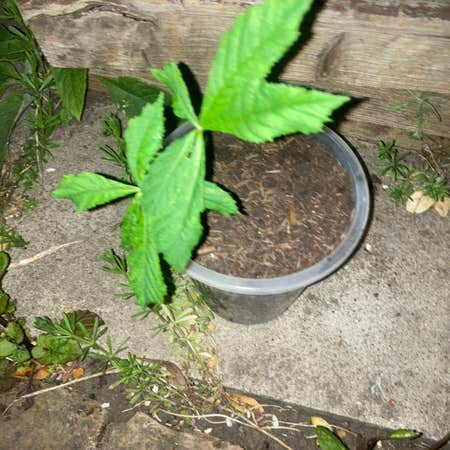
Chestnut Oak
Also known as
chestnut oak and rock oak
Taxonomy

Quercus montana
Quercus
Fagaceae
Fagales

How to care for Chestnut Oak
How often to water your Chestnut Oak

every 9
Chestnut Oak needs 0.5 cups of water every 9 when it doesn’t get direct sunlight and is potted in a 5" pot.
Use our water calculator to personalize watering recommendations to your environment or download Greg for more advanced recommendations for all of your plants.

Water 0.5 cups every
9
Finding light for Chestnut Oak in your home

a window
Chestnut Oak love being close to bright, sunny windows 😎.
Place it less than 1ft from a south-facing window to maximize the potential for growth.
Chestnut Oak does not tolerate low-light 🚫.
Select your region to see how the current weather in your area affects the placement of Chestnut Oak in your home 🏡.
How to fertilize Chestnut Oak

Most potting soils come with ample nutrients which plants use to produce new growth.
By the time your plant has depleted the nutrients in its soil it’s likely grown enough to need a larger pot anyway.
To replenish this plant's nutrients, repot your Chestnut Oak after it doubles in size or once a year—whichever comes first.
-
What am I doing wrong? Leaves turning yellow and dry on the edges and no new sprouts are growing. Is it dead? #BurOak
-
Does anyone know what’s going on with Burr Oak tree?
-
Some of its leaves are turning brown. Is this normal? #SouthernLiveOak
-
Does he look healthy? Finally repotted my oak today, it's been due for a while now, he does think it's spring, because he lives on top of a radiator, even tho we are just at the end of winter here. He is 3-4 years old now, grown from a acorn found outside #EnglishOak #oaktree #oakfern
-
Can anyone identify what is wrong with my tree? #EnglishOak
-
Please welcome: Mighty oak - we lifted an acorn from the ground for fun and then threw it into the ground for fun. two months later we almost cut him off because he looked like an arigula, we did cut him off and then we put the cut back there and he grew up back. The years will past you’ll be the big man somewhere in the forest🌱


Care Summary for Chestnut Oak

Chestnut Oak
 Greg recommends:
 Water
Water
0.5 cups every 9 days
 Placement
< 1ft from a window
 Nutrients
Repot after 2x growth
Based on the 4” pot your plant is in, and that it doesn’t get direct sunlight.
 Trending in your area

Lipstick Echeveria
Marble Queen Pothos

Polka Dot Begonia
Heartleaf Philodendron

Ponytail Palm
Neon Pothos

Zebra Plant

Burro's Tail
Rubber Plant

Cylindrical Snake Pla…

Pincushion Peperomia

Dwarf Umbrella Tree
Phalaenopsis Orchid

String of Buttons

String of Hearts
Kentia Palm

Lucky Bamboo

Tradescantia Zebrina
 Similar to Chestnut Oak

✨ Discover rare plants

Cereus peruvianus 'Pa…

Fernleaf Lavendar
Anthurium papillilami…

Red Mistletoe Cactus

Euphorbia baioensis

Anastasia Weeping Fig
Chinese Evergreen 'Ga…
Astroloba congesta
Skeleton Key Pothos

Burro's Tail

Begonia lubbersii

Tillandsia caerulea A…

Thelocactus macdowell…

Blue Moon Wisteria
Hoya 'Memoria'
Philodendron 'Rio'
