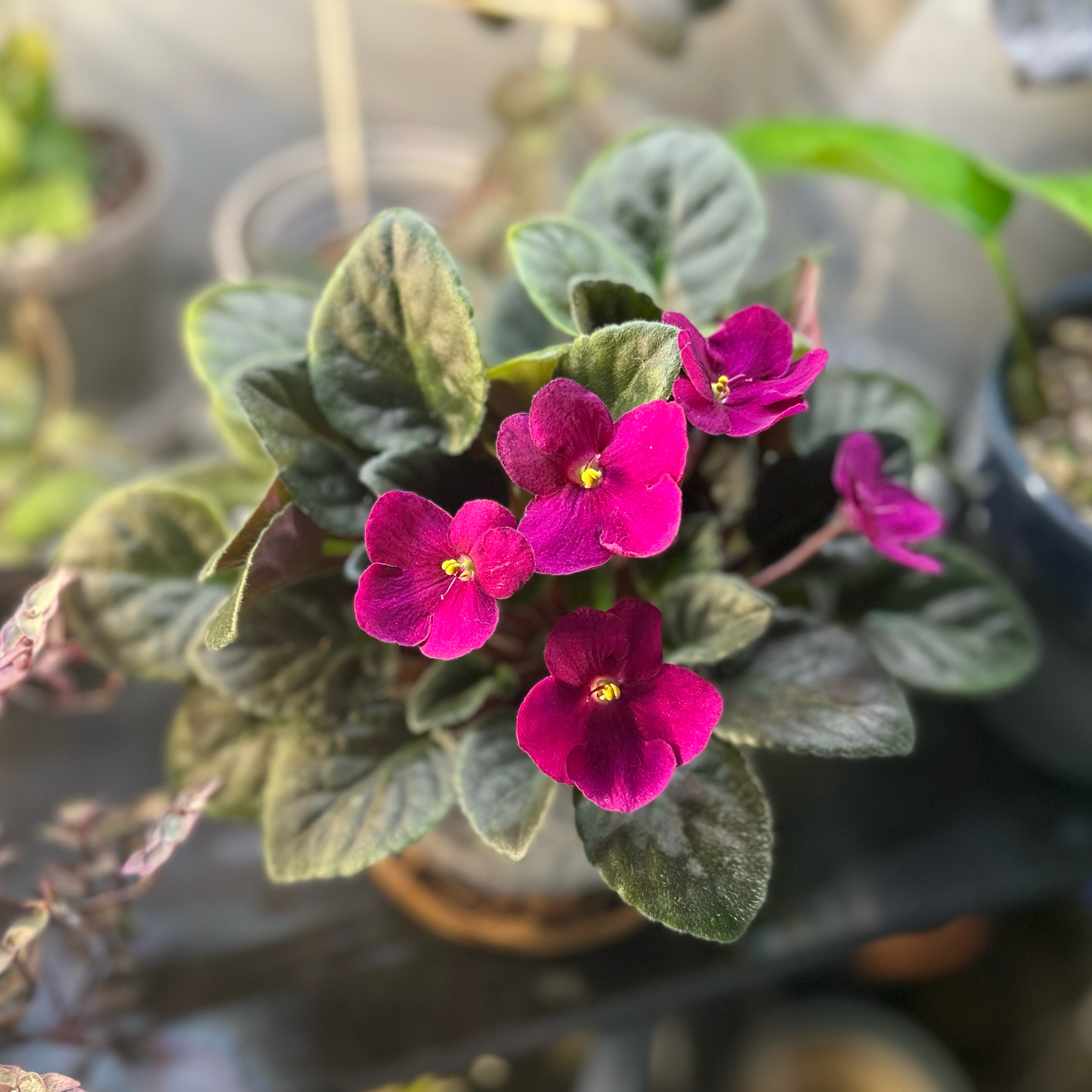
What To Do About Bugs on My African Violet? ๐Ÿ›

Streptocarpus ionathus

By the Greg Editorial Team

Jun 14, 202410 min read

This article was created with the help of AI so we can cover more plants for you. May contain errors. See one? Report it here.

Protect your African Violets ๐ŸŒธ and enjoy a bug-free bloom with this essential pest control guide.

African violet
  1. ๐Ÿ•ท๏ธ Spot spider mites by silvery dots/webs; treat with miticides or water.
  2. ๐Ÿž Control scale and aphids with insecticidal soap, oils, or natural predators.
  3. ๐ŸŒฑ Prevent pests with quarantine, environmental control, and Integrated Pest Management.

Identifying and Treating Spider Mites

๐Ÿ‘€ Spotting the Critters

Silvery dots or stippling on leaves? You've got company, and not the good kind. Spider mites are tiny, but their damage is mighty noticeable. Look for delicate webs, especially under leaves or in stem corners. These pests come in a fashion range of white, brown, and red, but they're all equally unwelcome.

๐Ÿšช Show Them the Door

Immediate Action

Isolate your plant faster than a teenager dodging chores. Prune the infested bits with precision and bid them farewell. Cleanliness is your new best friend; disinfect everything the plant touched, including your hands.

๐Ÿต Home Brewed Defense

Mix up a herbal tea miticideโ€”think of it as a pest's worst nightmare. Ground cinnamon, cloves, garlic, and a hint of dish soap. Spray every three days, under the leaves, and watch the mites tap out.

๐Ÿ’ฃ Chemical Warfare

If you're going the miticide route, test it on a leaf first. Rotate your arsenalโ€”pyrethrum, neem oil, rosemary oilโ€”to keep the mites guessing. And if you're feeling brave, rubbing alcohol and dish soap are your DIY alternatives.

๐Ÿฆธ Call in the Cavalry

Release predatory mites like Phytoseiulus persimilis to turn the tables. It's like hiring a hitman for mites. Just make sure your hitman doesn't get hitโ€”avoid pesticides that could harm these allies.

๐Ÿšฟ Water Works

A shower isn't just good for you; your plants love it too. Regular hosing with room temp water keeps the mites at bay. Focus on the underside of leaves where they love to hang out.

โœ‚๏ธ Cut Your Losses

Sometimes, it's just not meant to be. If the infestation is more drama than it's worth, consider starting fresh. Clean the area thoroughly to avoid a sequel nobody asked for.

African Violet plant in a white pot with some discolored leaves, placed on a mesh surface near a window.

Combating Scale Insects

Scale insects can be a real pain, clinging to your African Violets like unwelcome guests. Look out for tiny bumps on leaves and stems, a telltale sign you've got scale.

๐Ÿ•ต๏ธ Signs of Scale Insects

Scale insects are masters of disguise, masquerading as part of the plant. Yellowing leaves or a sticky residue signal it's time to play detective and scrutinize your violet.

๐Ÿ› ๏ธ Recommended Methods to Eliminate Scale

Get Physical

Scrape off those pesky critters with a toothpick or a soft brush. For a more targeted approach, dab them with a cotton swab soaked in rubbing alcohol.

Bring Out the Big Guns

If the infestation's got legs, it's time for insecticidal soap or horticultural oil. Follow the label to the letter for the best shot at knocking them out.

Keep Vigilant

After treatment, keep an eye out. These bugs are like bad habits โ€“ hard to break. Regular checks ensure you catch any new squatters early.

When Things Get Heavy

In case of a full-blown scale party, you might need to resort to synthetic insecticides. Remember, only use products safe for indoor plants and apply as directed.

Ant Control

Ants and scale insects are in cahoots. Manage ant populations to cut off the scale's support system.

๐ŸŽฏ Final Tips

Persistence is key. Treat regularly until you can declare your plant scale-free. And don't forget, prevention is better than cure โ€“ keep new plants quarantined to avoid introducing scale in the first place.

African Violet plant with fuzzy green leaves held by a hand, indoor setting with other plants in the background.

Managing Fungus Gnats and Fruit Flies

Identifying these tiny pests is the first step in reclaiming your African Violet's health. Fungus gnats are drawn to moist soil, and fruit flies to decaying plant matter. Both can be spotted buzzing around your plant, with fungus gnats being the smaller of the two.

๐Ÿœ Spotting the Invaders

Fungus gnats are dark-winged and tiny, with long legs and antennae. Fruit flies are slightly larger and are attracted to decaying matter. If you're noticing these pests, it's time to take action.

๐Ÿชฐ Eradication Tactics

Yellow sticky cards are your new best friends; they trap adults effectively. For larvae, the battle is in the soil. Diatomaceous earth can dehydrate them, while hydrogen peroxide mixtures (1 part hydrogen peroxide to 4 parts water) can help sanitize the soil.

๐Ÿฆ  Biological Warfare

Introduce parasitic nematodes like Steinernema feltiae to your soil. They're like tiny ninjas that attack the larvae, stopping the next generation in its tracks.

๐Ÿ’‰ Chemical Solutions

Insecticide sprays can offer a quick fix, but they're a band-aid, not a cure. If you go this route, focus on soil drenches that target larvae, and always consider the environmental impact.

๐ŸŒฑ Cultural Controls

Adjust your watering habits to keep the soil from staying too wet. Overly moist environments are like all-you-can-eat buffets for these pests. Also, reassess your fertilization routine; less is often more.

๐Ÿšฑ Preventing Future Infestations

Keep your African Violet's soil well-drained and repot regularly with decay-resistant mixes. This isn't just about pest control; it's about plant health. Remember, a dry plant is a fortress against gnats.

African Violet plant in a pot on a wooden surface with some browning leaves at the base.

Eradicating Mealybugs

๐Ÿ•ต๏ธ Detection of Mealybugs on African Violets

Inspect your African Violets regularly for the telltale signs of mealybugs. These pests resemble tiny, white cottony tufts and tend to congregate in the nooks of your plantโ€”under leaves, at leaf joints, or around the drainage holes if they're root mealybugs. If you spot these fluffy fiends, it's time to spring into action.

๐Ÿ› ๏ธ Treatment Options for Mealybug Problems

Immediate Measures

Isolate the affected plant to prevent the spread to your botanical buddies. Grab a cotton swab, dip it in a 70% rubbing alcohol solution, and apply it directly to each mealybug you can find. This method is like sending each bug to a very personal pool of doomโ€”effective and satisfying.

๐ŸŒฟ Long-Term Strategies

For a more widespread issue, consider insecticidal soaps or horticultural oils. These can be sprayed on the plant, but always perform a spot test first to avoid turning your violet's leaves into a botanical crime scene.

๐Ÿž Natural Predators

If you're feeling like Mother Nature, introduce natural predators like ladybugs or lacewings. Just don't invite them to a party without enough food; small infestations might not keep them interested.

๐Ÿ›ก๏ธ Preventative Tips

Prevention is the best cure. Keep new plants quarantined like they've just returned from a plant pandemic epicenter. Inspect them thoroughly because mealybugs are the ultimate hitchhikers, catching rides on new plants or even your latest grocery store produce.

Remember, mealybugs are more than just a nuisanceโ€”they're a full-blown invasion. Stay vigilant, act quickly, and your African Violets will thank you by not becoming bug buffets.

Dealing with Thrips

Recognizing thrips damage on African Violets is crucial. Look for silvery or brownish marks on the leaves, dark fecal spots, and distorted growth. These pests are tiny, slender, and can be various colors, making them hard to spot without a magnifying glass.

๐Ÿ•ต๏ธโ€โ™‚๏ธ Recognizing Thrips Damage

Thrips are the ninjas of the plant worldโ€”stealthy and destructive. They pierce leaves and suck out the sap, leaving a telltale silvery sheen. If your African Violet's leaves look like they've been in a miniature sword fight, you might have thrips.

๐Ÿšจ Approaches to Thrips Removal

Immediate Actions

  1. Prune heavily infested areas.
  2. Give your plant a shower to physically remove pests.

Insecticidal Measures

  • Apply insecticidal soap to target nymphs and adults.
  • Consider a systemic insecticide for a more robust approach.

Monitoring and Prevention

  • Use sticky traps to catch adults.
  • Quarantine new plants to prevent thrips gatecrashers.
  • Inspect regularly, because these critters love to throw surprise parties.

Environmental Adjustments

Remember, thrips are the ultimate plant party crashers. Stay vigilant, and don't let them turn your African Violet into their dance floor.

Controlling Aphids

Aphids are the gatecrashers of the African Violet party, and they're not shy about making themselves at home. Spotting them involves looking for clusters of tiny, colorful bugs on new growth, wilting leaves, or a shiny trail of honeydew they leave behind like a bad habit.

๐Ÿ‘€ Early Detection

Vigilance is key. Regularly inspect your African Violets for signs of aphid activity. These pests can be green, black, or white, and they love to hang out on the underside of leaves or on tender stems.

๐Ÿ–๏ธ Manual Removal

If you're up for some hands-on pest control, you can physically wipe or spray off aphids with water. It's a quick fix, but like a band-aid on a bullet wound, it may not be enough for heavy infestations.

๐Ÿงผ Insecticidal Soap

For those who prefer a more targeted approach, insecticidal soap is a go-to. It's like sending aphids through a car wash from which they don't return. Apply as directed, and don't forget to hit those hidden spots.

๐Ÿž Natural Predators

Ladybugs aren't just cute; they're carnivorous when it comes to aphids. Introducing these beneficial insects can be like unleashing a team of hungry lions in a petting zoo โ€“ aphids don't stand a chance.

โ˜ ๏ธ Chemical Controls

When the going gets tough, the tough get systemic insecticides. Products like Bayer Rose & Flower can be applied to the soil for a long-lasting aphid eviction notice. Remember, though, chemicals are the big guns, so use them as a last resort.

๐Ÿ•ต๏ธ Consistent Monitoring

After treatment, keep an eye out. Aphids are like that one relative who keeps showing up uninvited; monitoring your plants ensures they don't make a comeback.

Integrated Pest Management Strategies

Integrated Pest Management (IPM) is not a one-size-fits-all solution; it's a tailored suit for your African Violet's pest woes.

๐Ÿฆธ Combining Control Methods

IPM is like a superhero team-up for your plants. Cultural, biological, and chemical controls join forces to tackle pests.

๐ŸŒฑ Cultural Controls

Start with the basics: cultural practices. They're the preventative medicine of the plant world. Rotate your African Violets' spots to avoid pest routines, and keep those leaves clean to prevent a bug bed-and-breakfast.

๐Ÿž Biological Controls

Next, call in the cavalry: beneficial bugs. These are the predators that munch on your pests. Introduce ladybugs to snack on aphids, or employ predatory mites against those villainous spider mites.

๐Ÿงช Chemical Controls

When all else fails, chemical controls are the last line of defense. Use them sparingly and smartly. Spot treat with insecticidal soaps or neem oil, but always check the label for African Violet safety.

๐ŸŒฟ Natural Predators and Environmental Adjustments

Don't forget the environment. Your African Violet's home can be a fortress against pests with the right tweaks.

๐Ÿฆ Encouraging Natural Predators

Create a mini ecosystem: natural predators need love too. A little water source here, some shelter there, and voilร , you've got a pest-eating paradise.

๐ŸŒก๏ธ Environmental Adjustments

Adjust the thermostat: temperature and humidity can deter pests. Keep conditions optimal for your African Violets, but uncomfortable for the bugs.

Remember, IPM is about balance. It's a strategic game of chess with pests, and you're aiming for checkmate without knocking over the whole board.

Preventative Measures for a Healthy African Violet

To safeguard your African Violets from pests, quarantine and environmental control are your first line of defense.

๐Ÿ›ก๏ธ Quarantine Procedures

New plants should be isolated for at least two weeks. This period allows you to spot any freeloaders before they mingle with your collection. Regular inspections during quarantine are non-negotiable.

โ›…๏ธ Environmental Controls

Humidity and temperature are the puppeteers of pest activity. Keep the air around your violets at a cozy 70 degrees F, and humidity hovering around 50-60%. Too much moisture invites trouble, so let the soil dry a bit between waterings.

๐ŸŒฌ๏ธ Air Circulation

Good air circulation is crucial but avoid drafts. It's a balancing actโ€”like trying to walk a tightrope in a gentle breeze.

๐Ÿงน Cleanliness

Keep the growing area spick-and-span. Old leaves and faded flowers are party spots for pests. Think of cleaning as the bouncer that keeps the riff-raff out.

๐Ÿงผ Pot and Soil Sanitation

Before repotting, give pots a bleach bath. It's like sending your plants' home through a car wash. Use light, pasteurized potting soil to avoid unwanted surprises.

๐Ÿ’ง Watering Practices

Water from the bottom to prevent leaf spotting and only when the soil gets a bit dry. Overwatering is the equivalent of rolling out the red carpet for Crown Rot.

By implementing these preventative measures, you're not just growing violets; you're cultivating a fortress against pests.

โš ๏ธ Safety First

This content is for general information and may contain errors, omissions, or outdated details. It is not medical, veterinary advice, or an endorsement of therapeutic claims.

Always consult a qualified healthcare professional before using any plant as food, medicine, or supplement.

Never eat any plant (or feed one to pets) without confirming its identity with at least two trusted sources.

If you suspect poisoning, call Poison Control (800) 222-1222, the Pet Poison Helpline (800) 213-6680, or your local emergency service immediately.

Spotted an error? Please report it here.

Eradicate pests and protect your African Violet with Greg's tailored reminders ๐Ÿ›ก๏ธ, keeping your plant's environment optimal to prevent those pesky bugs!


#AfricanViolet

5 posts on Greg
Browse #AfricanViolet