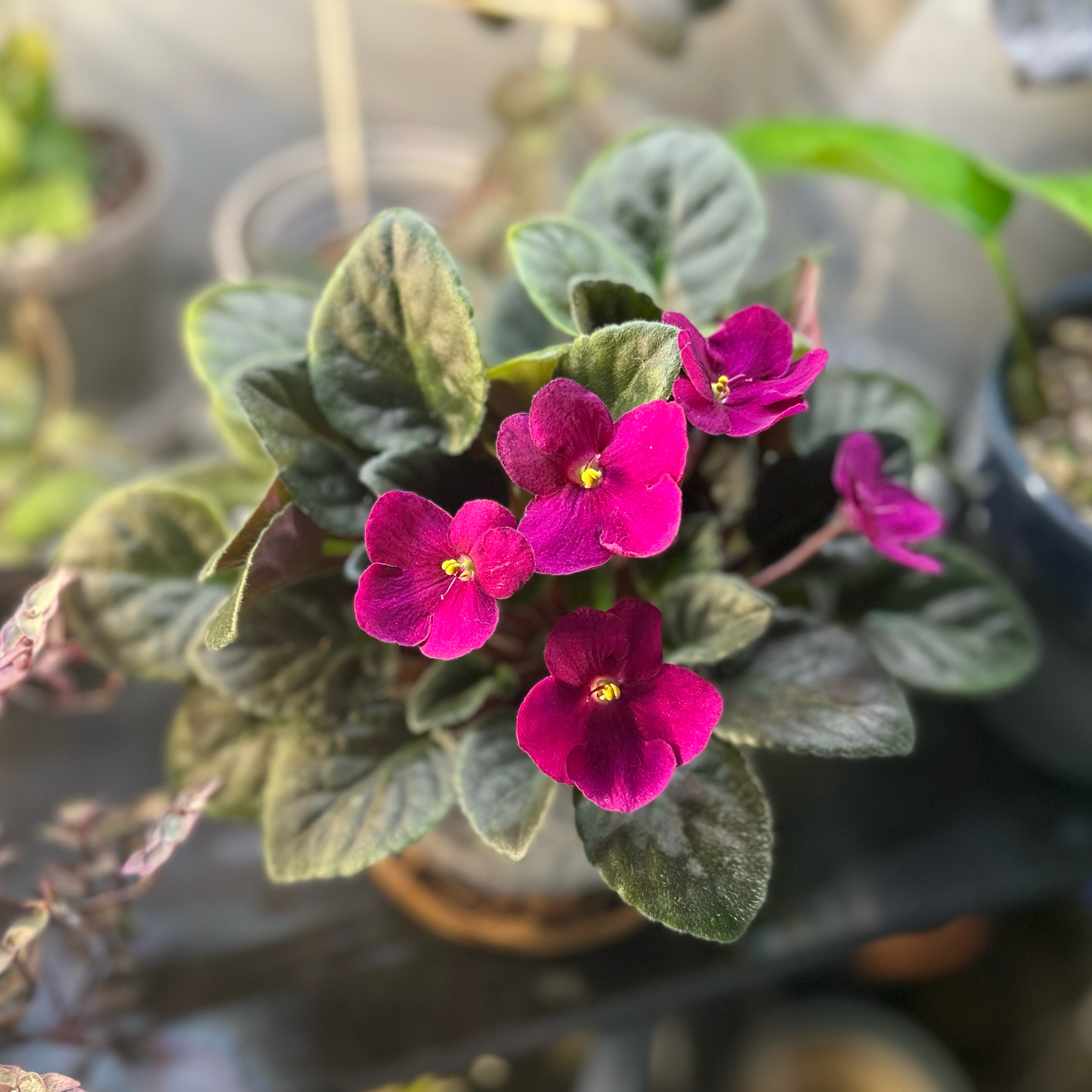
What's Eating Your African Violet

Streptocarpus ionathus

By the Greg Editorial Team

Jul 20, 20247 min read

This article was created with the help of AI so we can cover more plants for you. May contain errors. See one? Report it here.

Protect your African Violets 🌺 from critters and nurture a vibrant, eco-friendly garden oasis. 🐾

  1. 🦌 Deer, rabbits, squirrels damage African Violets; use deterrents and barriers.
  2. 🐝 Bees and predatory insects are beneficial for African Violet health.
  3. πŸ›‘οΈ Seasonal strategies protect African Violets from animal damage year-round.

African Violet Appeal

🌺 Flowers and Foliage

African Violets are a visual feast with their year-round vibrant blossoms and soft, succulent leaves, making them irresistible to a variety of garden visitors. Their allure lies not only in their beauty but also in the intricate interplay between their pigments and the animals they attract.

  • The flowers, rich in pigments like anthocyanins, serve multiple purposes:
    • They entice pollinators with their vivid colors.
    • They may protect the plant from sun damage.
    • They could discourage herbivores due to the presence of certain compounds.

🚫 Potential Toxic Effects on Herbivores

Despite their charm, African Violets are considered non-toxic, meaning they lack substances known to harm pets or wildlife. However, it's important for gardeners to understand the effects these plants can have on herbivores.

  • African Violets are generally safe for animals, but they can cause digestive upset if ingested in large quantities.
  • The absence of toxic alkaloids makes them a safe choice for gardens frequented by animals.
  • Volatile compounds produced by the plants may act as a natural deterrent to some herbivores, thus serving as an indirect defense mechanism.

Deer Interaction

Signs and Damage

Deer can leave a distinctive mark on your African Violet garden. Look for cleanly snipped stems, as if cut by scissors, and missing flower headsβ€”classic signs of a deer visit. Trampled plants or hoof prints around your African Violets are also telltale indicators.

🦌 Deer Management

Managing deer involves a mix of deterrents and control methods:

  • Install fencing that's high enough to prevent deer from jumping over.
  • Apply deer repellents; these can range from commercial products to homemade concoctions like soap or human hair.
  • Consider planting deer-resistant companions around your African Violets to create a less appealing environment.
  • Use motion-activated sprinklers to startle and shoo away deer.
  • In areas with high deer activity, strategic landscaping can guide deer away from your precious plants.

Rabbit Challenges

πŸ‡ Evidence of Rabbits

Rabbit visits can be quite discreet, but the evidence they leave behind is unmistakable. Look for these telltale signs:

πŸ›‘οΈ Rabbit Control

Protecting your African Violets from rabbits requires a mix of vigilance and strategy. Here are effective methods to consider:

  • Physical barriers: Install fine mesh fencing that extends underground to prevent digging.
  • Habitat alteration: Clear away debris and dense plantings that provide rabbits with shelter.
  • Repellents: Use organic or chemical rabbit deterrents, applying as directed to avoid harm to the plants.
  • Natural predators: Encourage the presence of natural rabbit predators, like dogs or cats, in your garden.
  • Integrated approach: Combine these methods for a more robust defense against these furry herbivores.

Squirrel Activities

🐿️ Squirrel Signs

Squirrels can be quite the acrobats in the garden, and their presence is often marked by nibbled flowers or gnawed stems on your African Violets. You might also spot them digging in the soil, which can disturb the roots and topple your plants.

🚫 Squirrel Deterrence

To keep these agile rodents at bay, consider these strategies:

  • Use squirrel-proof plant covers to physically block access.
  • Offer alternative food sources, like nuts or seeds, placed away from your African Violets to distract squirrels.
  • Apply natural deterrents such as peppermint oil or cayenne pepper around your plants; squirrels dislike these strong scents.
  • Install motion-activated sprinklers that startle squirrels with a burst of water, making your garden less inviting.

Bird Encounters

Birds can be both a delight and a dilemma in a garden with African Violets. Their presence is often marked by telltale signs.

🐦 Bird Indicators

  • Look for feathers, droppings, or disrupted soil around your African Violets, which could indicate bird activity.
  • Damage may include pecked leaves or flowers, as birds may be attracted to the plant's vibrant blooms.

πŸ¦… Bird Management

  • To manage bird interactions, consider non-harmful deterrents:
    • Reflective objects, like old CDs, can be hung near the plants to scare birds away.
    • Bird netting may be used to physically block birds from reaching the African Violets.
  • Cultivating a bird-friendly environment elsewhere in your garden with native plants can also divert their attention from your African Violets.

Rodent Issues

🐭 Rodent Evidence

Rodents, with their sharp incisors, are notorious for gnawing on plants. Look for:

  • Bite marks on leaves and stems.
  • Droppings near the plant base.
  • Disturbed soil or upturned pots, indicating burrowing or foraging activity.

πŸͺ€ Rodent Control

To protect your African Violets from rodents, consider these strategies:

  • Sanitation: Remove potential rodent shelters and food sources.
  • Exclusion: Use hardware cloth or barriers to prevent access.
  • Traps: Set up traps along rodent runways.
  • Bait Stations: Place them strategically, but ensure they are pet and child-safe.
  • Natural Predators: Encourage the presence of cats or owls in your garden.
  • Repellents: Apply natural or chemical repellents around the plants.

Groundhog Problems

🦫 Groundhog Signs

Groundhogs, also known as woodchucks, can wreak havoc on African Violets, leaving a trail of destruction in their wake. Look out for chewed leaves and stems, as these are telltale signs of their presence. Additionally, groundhogs may leave holes near the plants, as they are burrowing creatures. These disturbances not only harm the aesthetic appeal of your African Violets but can also compromise their health.

🚫 Groundhog Deterrence

To keep groundhogs at bay, consider these humane and effective strategies:

  • Install sturdy fencing around your garden. A fence that extends underground can prevent groundhogs from burrowing underneath.
  • Remove any brush or woodpiles near your garden, as these can provide shelter for groundhogs.
  • Plant groundhog-resistant flowers around your African Violets, such as ageratum, marigolds, and salvia, to create a natural barrier.
  • Consider using repellents that emit scents groundhogs find unpleasant, but be sure to follow application instructions carefully to avoid harm to your plants or the environment.

Beneficial Garden Inhabitants

Bees, butterflies, and other pollinators are vital to the health of African Violets, playing a critical role in their reproduction process. These insects transfer pollen from one flower to another, facilitating the cross-pollination necessary for fruit and seed production. To attract these beneficial visitors:

🐞 Predatory Insects

Predatory insects such as ladybugs and lacewings are the garden's natural defense against pests. They help control populations of harmful insects, reducing the need for chemical pesticides. To encourage these natural predators:

  • Avoid using pesticides that can harm beneficial insects and disrupt the ecological balance.
  • Grow plants like lavender, marigolds, and calendula, which are known to attract predatory insects.
  • Allow vegetables and herbs to go to seed after harvest, providing additional food sources for these insects.

Seasonal Considerations

As the seasons shift, so do the habits of the animals that interact with African Violets. Understanding these patterns is key to protecting your blooms.

  • Spring: New growth is particularly tempting to herbivores. As temperatures rise, so does the activity of rabbits and deer, eager to nibble on fresh foliage.

    • Increase vigilance and consider physical barriers like fencing.
    • Introduce or reinforce scent-based deterrents as animals explore their rejuvenated environment.
  • Summer: The full splendor of African Violets can attract a variety of creatures, from groundhogs to birds.

    • Provide shade to prevent overheating and reduce the plant's appeal during the hottest hours.
    • Stay consistent with watering to avoid stress on the plants, which can make them more susceptible to damage.
  • Fall: As food becomes scarce, animals may turn to African Violets for sustenance.

    • Use netting to protect the plants from foraging birds preparing for migration.
    • Apply organic repellents to dissuade rodents and other small mammals stocking up for winter.
  • Winter: Dormancy in plants and a decrease in animal activity can provide a respite.

    • Shift focus to indoor African Violets, ensuring they receive adequate light to compensate for shorter days.
    • For outdoor varieties, mulch can provide protection from the cold and discourage digging by overwintering animals.

⚠️ Safety First

This content is for general information and may contain errors, omissions, or outdated details. It is not medical, veterinary advice, or an endorsement of therapeutic claims.

Always consult a qualified healthcare professional before using any plant as food, medicine, or supplement.

Never eat any plant (or feed one to pets) without confirming its identity with at least two trusted sources.

If you suspect poisoning, call Poison Control (800) 222-1222, the Pet Poison Helpline (800) 213-6680, or your local emergency service immediately.

Spotted an error? Please report it here.

Keep your African Violets safe πŸ›‘οΈ from critters with Greg's custom reminders and community tips for year-round protection!


#AfricanViolet

5 posts on Greg
Browse #AfricanViolet