Why Are There Brown Spots on My Dappled Snowbrush Leaves?
Haemanthus albiflos
By the Greg Editorial Team
Dec 20, 2023•4 min read
This article was created with the help of AI so we can cover more plants for you. May contain errors. See one? Report it here.
- Environmental stress and fungi cause brown spots; look for patterns or halos.
- 🌤️🌱 Balance light and water; use sheer curtains, check soil moisture.
- 🍃 Prevent with location, airflow, and regular inspections for early detection.
Spotting the Trouble: Brown Spots on Dappled Snowbrush
🕵️ What Do Brown Spots Look Like?
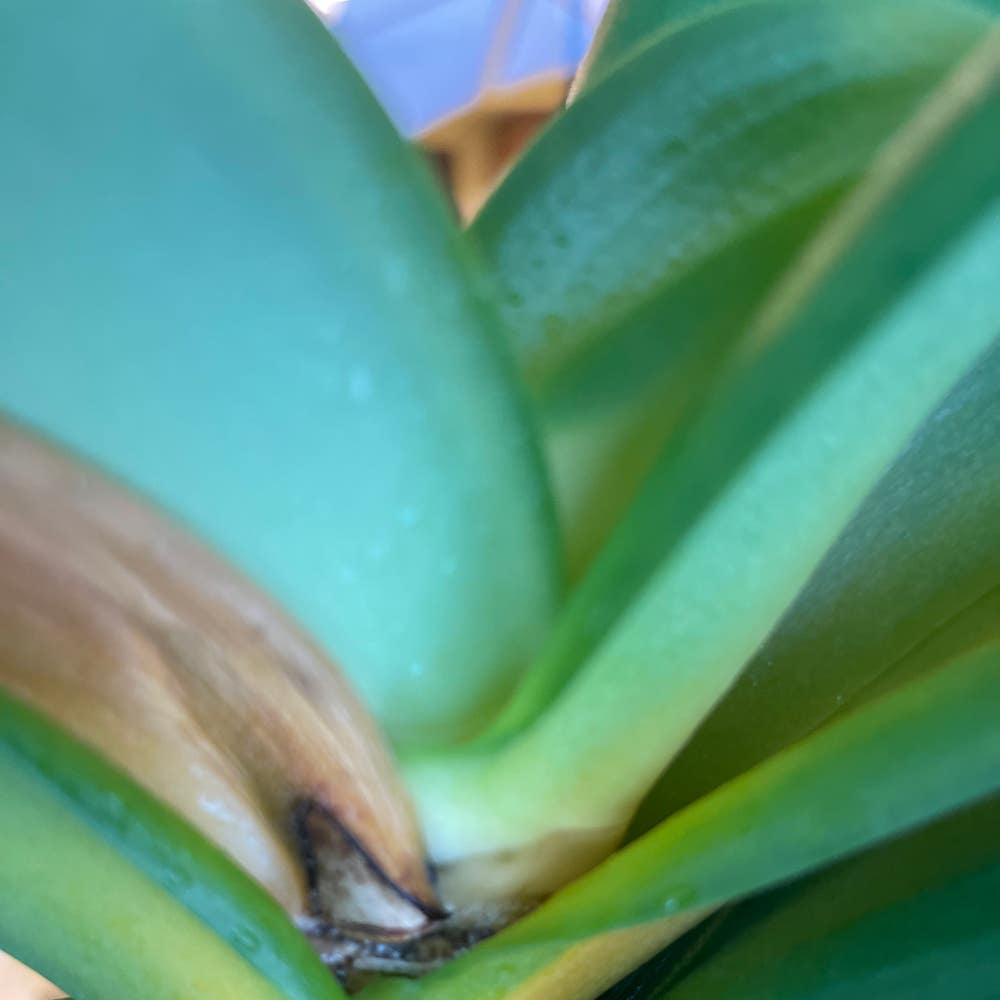
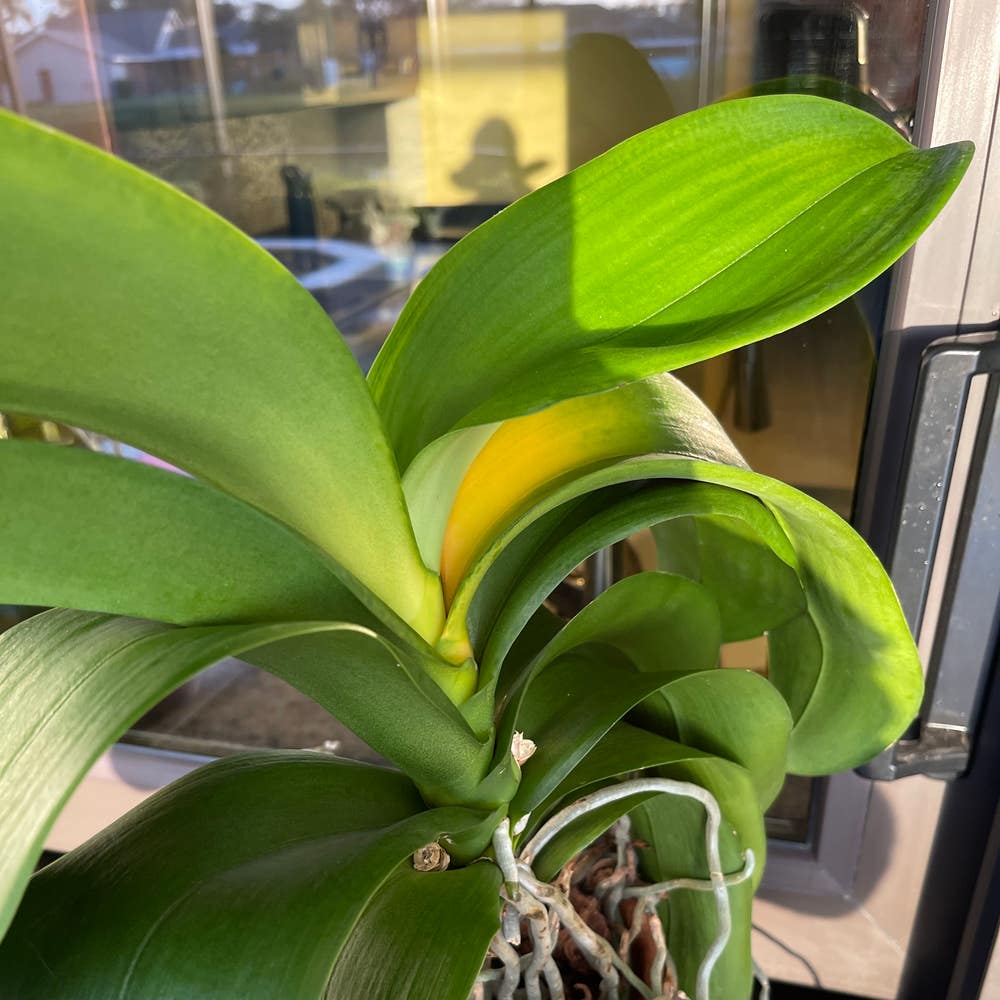
Brown spots on Dappled Snowbrush leaves are the plant's distress signal. They can appear as tiny dots, expansive patches, or anything in between. Some spots might be surrounded by a yellow halo, suggesting a fungal party, while others could be dry and crispy, hinting at environmental stress.
🕵️ The Usual Suspects: Pinpointing the Cause
Environmental stressors and fungal diseases are the main culprits behind these unsightly blemishes. Stress-related spots often follow a pattern, like sunburn marks on the most exposed parts of the leaf. Fungal spots, however, can be more random, often starting as yellow areas that turn rebelliously brown. Pest damage is less common but can't be ruled out—look for sticky residues or actual critters as a telltale sign.
Turning Over a New Leaf: Fixing the Brown Spot Blues
🌞 Shielding from the Sun: Light and Shade Balance
Finding the Goldilocks zone for your Dappled Snowbrush is key. Too much sun and you've got a leaf fry-up; too little and you're in the slow lane to growth city. Aim for bright, indirect sunlight. If your plant's leaves are throwing a brown tantrum, it's time to play musical chairs and find a spot that's just right. Use sheer curtains as the SPF for your leafy friends, and remember to rotate your plant for even light distribution.
💧 Quenching Thirst the Right Way: Watering Do's and Don'ts
Watering should be more tailored suit than one-size-fits-all t-shirt. Before you water, check the soil's mood—it should be dry to the touch, not damp. Overwatering is the fast track to Soggyville and brown spot boulevard. Let the top layer of soil dry out before giving it another drink. And please, leave the misting bottle and leaf shine for the beauty gurus; your plant craves stable watering routines.
❄️ Keeping the Chill Out: Temperature Control Tactics
Dappled Snowbrushes aren't fans of the temperature tango. Keep things steady; dramatic fluctuations are about as welcome as a hiccup during a speech. If your plant's leaves are browning, it might be hinting at a dislike for your thermostat habits. Aim for a consistent temperature, and when moving your plant to a new spot, do it gradually to avoid a case of botanical shock.
Fungus Among Us: Dealing with Disease
🍄 Spotting Fungal Foes: Early Detection
Fungal diseases are the sneaky saboteurs of plant health, often going unnoticed until the damage is done. Brown spots on Dappled Snowbrush leaves can signal a fungal invasion. Look for spots with a colorful halo, typically red or yellow, which are telltale signs of fungal activity. High humidity and poor air circulation create the perfect storm for these microscopic menaces.
🌿 Fungicide to the Rescue: Treatment Options
When you confirm a fungal culprit, it's time for intervention. Fungicides are your go-to allies in this battle. For mild cases, consider home remedies like a baking soda and soap mixture. Mix ½ teaspoon of baking soda per gallon of water and apply it to the affected areas. For more stubborn infections, copper-based fungicides can be effective. Always read the label—precision in application is crucial to avoid harming your plant further. Remember, treating fungal diseases is like a tactical game; act swiftly and decisively for the best chance of success.
Staying Spot-Free: Prevention Is Better Than Cure
Prevention trumps cure, especially with Dappled Snowbrush leaves. Let's dive into keeping those leaves pristine.
🌞 Picking the Perfect Spot: Location Matters
Location is everything. Your plant's spot should have the morning sun's gentle touch and shade from the harsh afternoon rays. It's not just about good looks; it's about giving your plant a fighting chance against brown spots.
💨 A Breath of Fresh Air: Ensuring Good Circulation
Airflow is like your plant's personal security guard against fungi. Make sure your Snowbrush isn't suffocating in stale air. Circulation is key, like keeping the windows down on a road trip to keep everyone fresh.
🩺 Routine Check-Ups: Regular Plant Inspections
Be your plant's personal doctor—regular check-ups can catch the early signs of brown spots. It's like scrolling through your feed; do it often, and you'll know what's up. If you spot trouble, act fast—isolation might just save the rest of your plant family from an outbreak.
⚠️ Safety First
This content is for general information and may contain errors, omissions, or outdated details. It is not medical, veterinary advice, or an endorsement of therapeutic claims.
Always consult a qualified healthcare professional before using any plant as food, medicine, or supplement.
Never eat any plant (or feed one to pets) without confirming its identity with at least two trusted sources.
If you suspect poisoning, call Poison Control (800) 222-1222, the Pet Poison Helpline (800) 213-6680, or your local emergency service immediately.
Spotted an error? Please report it here.
Prevent brown spots on your Dappled Snowbrush with precision care 🎯 from Greg, guiding you to the perfect balance of light, water, and temperature.