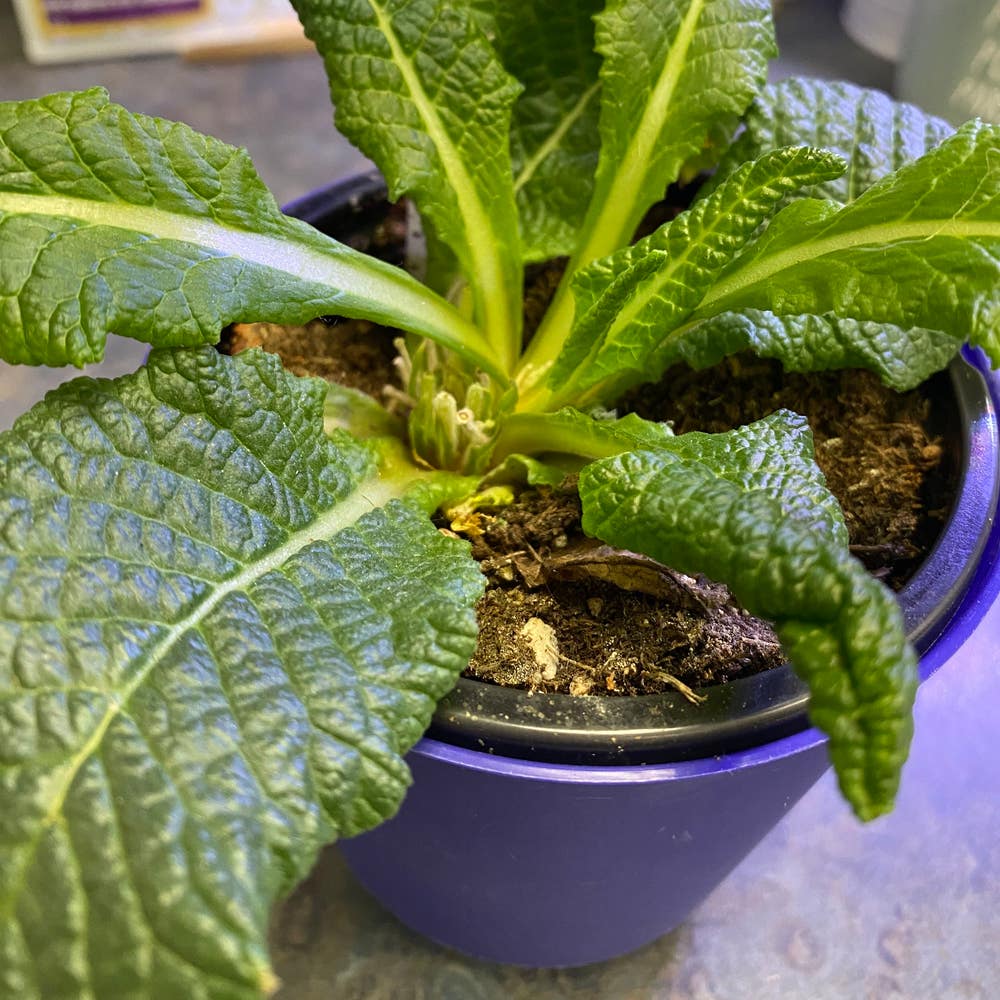
🌼 What is a Yellow-Flowered Primrose? Complete Guide
Primula pubescens
By the Greg Editorial Team
Jan 26, 2025•12 min read
This article was created with the help of AI so we can cover more plants for you. May contain errors. See one? Report it here.
- 🌼 Yellow-flowered primrose thrives in partial shade to full sun with moist conditions.
- 🌱 Plant in well-drained, fertile soil with a pH of 6.0 to 7.0 for best results.
- 🐝 Attracts pollinators and aids erosion control, enhancing your garden's ecosystem.
How to Grow
Choosing the Right Location 🌞
When growing yellow-flowered primrose, consider its sunlight requirements. It thrives in partial shade to full sun, depending on the moisture levels in your garden.
The ideal climate for these plants is cooler temperatures with moist environments. This balance helps them flourish and produce vibrant blooms.
Soil Preparation and Amendments 🍽️
For optimal growth, yellow-flowered primrose needs well-drained, fertile soil rich in organic matter. Aim for a soil pH that is slightly acidic to neutral, ideally between 6.0 and 7.0.
To enhance soil fertility, incorporate compost or well-rotted manure before planting. This amendment provides essential nutrients for healthy growth.
Planting Techniques and Spacing 🌱
When planting, ensure the seeds or seedlings are placed 1-2 inches deep in the soil. Space them 12-18 inches apart to allow for optimal air circulation.
The best time to plant yellow-flowered primrose is in early spring or fall. This timing aligns with their natural growth cycles.
Watering Requirements and Frequency 🚰
Keep the soil consistently moist but avoid waterlogging. Regular watering is crucial, especially during dry spells.
Using drip irrigation or watering at the base of the plant can help prevent leaf rot. This technique ensures the foliage stays dry and healthy.
Fertilizing Schedule and Types of Fertilizers 🛡️
Apply a balanced, slow-release fertilizer in early spring to kickstart growth. This initial feeding sets the stage for a vibrant growing season.
Fertilize every 4-6 weeks during the growing season to maintain nutrient levels. Consistent feeding supports robust blooms and foliage.
Pruning and Deadheading for Continued Blooms ✂️
To encourage new blooms, regularly deadhead spent flowers. This simple task redirects energy into producing fresh blossoms.
After flowering, trim back the foliage to promote healthy growth. This practice helps maintain the plant's vigor for the next season.
Ongoing Care for Outdoor and Container Growth 🌿
For container growth, ensure pots have drainage holes and use a quality potting mix. Proper drainage prevents root rot and supports healthy plants.
When growing outdoors, monitor for pests and diseases regularly. Early detection allows for timely intervention, keeping your primrose thriving.
Transitioning to the next section, understanding propagation techniques can help you expand your yellow-flowered primrose collection effortlessly.
Propagation
🌱 Seed Propagation
To propagate yellow-flowered primrose from seeds, timing is crucial. Sow seeds in late winter or early spring for the best results.
- Start by preparing seed trays filled with a moist potting mix.
- Scatter the seeds evenly on the surface and lightly cover them with soil.
- Maintain humidity until germination, which typically takes 2-3 weeks.
✂️ Division of Established Plants
Dividing established plants is an effective way to propagate yellow-flowered primrose. Aim to divide them every 3-4 years, preferably in early spring or fall.
- Carefully lift the plant from the ground using a spade.
- Divide the root ball into sections, ensuring each section has roots.
- Replant the divisions immediately to help them establish quickly.
🌿 Cuttings
Taking cuttings is another reliable propagation method. Follow these steps for successful rooting:
- Cut 4-6 inch sections from healthy stems.
- Dip the cut ends in rooting hormone to encourage growth.
- Plant the cuttings in a moist, well-draining medium to promote rooting.
By mastering these propagation techniques, you can easily expand your collection of yellow-flowered primrose and enjoy their vibrant blooms in your garden. Next, let’s explore the lifecycle of this beautiful perennial.
Lifecycle
Lifecycle Stages 🌱
Primula veris, commonly known as the yellow-flowered primrose, is a perennial plant. This means it can live for several years, returning each spring to delight gardeners with its vibrant blooms.
Germination Process and Timeline ⏳
Germination typically takes about 2-3 weeks under optimal conditions. Providing the right environment is crucial for successful seed sprouting.
Seedling Stage and Care 🌿
During the seedling stage, it's essential to provide adequate light and moisture. This nurturing phase sets the foundation for healthy growth.
Vegetative Growth and Environmental Needs 🌍
As the plant enters its vegetative growth phase, it requires consistent moisture and moderate temperatures. These conditions help the primrose thrive and prepare for flowering.
Flowering Phase and Seed Production 🌼
The flowering phase usually occurs in early spring, showcasing bright yellow flowers. After blooming, the plant produces seeds, continuing its lifecycle.
Lifespan and Growth Rate Specifics 📈
Primula veris has a lifespan of several years, with a moderate growth rate. It typically reaches maturity in about 1-2 years, making it a rewarding addition to any garden.
This lifecycle overview highlights the resilience and beauty of the yellow-flowered primrose. Understanding these stages can enhance your gardening experience and ensure your plants flourish. Next, let’s explore the size characteristics of this charming perennial.
Size
Mature Height and Spread 🌼
Yellow-flowered primrose typically reaches a height of 6 to 12 inches. Its spread can extend from 12 to 18 inches, making it a compact yet vibrant addition to your garden.
Growth Rate and Factors Affecting Size 📈
This perennial has a moderate growth rate, which can be influenced by factors such as sunlight exposure and moisture levels. Ensuring optimal conditions will help your primrose thrive and reach its full potential.
Size Variability Based on Growing Conditions 🌍
The size of yellow-flowered primrose can vary significantly depending on the growing conditions. Different soil types and moisture levels can lead to noticeable differences in height and spread, so it's essential to monitor these factors for the best results.
As you consider planting yellow-flowered primrose, keep these size aspects in mind to create a balanced and visually appealing garden. Next, let’s explore the roots of this charming plant and their characteristics.
Roots
Description of the Root System 🌱
The yellow-flowered primrose features a fibrous root system. This type of root structure allows for efficient nutrient absorption and stability in the soil.
Root Depth and Spread Characteristics 🌍
Typically, the roots are shallow, spreading horizontally. This characteristic helps the plant access surface moisture and nutrients effectively.
Common Root-Related Issues and Solutions ⚠️
One common issue is root rot, often caused by overwatering. To combat this, ensure proper drainage by using well-draining soil and pots with drainage holes.
Identifying Healthy vs. Unhealthy Roots 🧐
Healthy roots are firm and white, indicating vitality. In contrast, unhealthy roots appear brown and mushy, signaling potential problems.
Recognizing Rootbound Conditions and Corrective Actions 🔄
Signs of a rootbound plant include roots growing out of drainage holes. If you notice this, consider repotting the plant into a larger container to promote healthy growth.
Understanding the root system of your yellow-flowered primrose is crucial for its overall health. With proper care and attention, you can ensure your plant thrives beautifully.
Benefits
Aesthetic Appeal in Gardens 🌼
The bright yellow flowers of the yellow-flowered primrose bring a vibrant splash of color to any garden. Their cheerful blooms can create a stunning contrast against lush green foliage.
Attracting Pollinators and Beneficial Insects 🐝
These flowers are not just pretty; they also play a vital role in attracting pollinators like bees and butterflies. This makes them an excellent choice for gardeners looking to support local ecosystems.
Medicinal Uses and Historical Significance 🌿
Historically, yellow-flowered primrose has been used in traditional medicine for various ailments. Its leaves and flowers have been utilized for their potential health benefits, showcasing the plant's versatility beyond mere decoration.
Erosion Control and Soil Stabilization 🌍
In addition to their beauty, these plants help prevent soil erosion. Their root systems stabilize the soil, making them a practical choice for gardeners concerned about maintaining healthy landscapes.
Symbolism in Various Cultures 🌈
In many cultures, yellow-flowered primrose symbolizes youth and renewal. This rich symbolism adds an emotional layer to their presence in gardens, making them more than just a plant but a representation of hope and new beginnings.
The benefits of yellow-flowered primrose extend far beyond aesthetics, making them a valuable addition to any garden. Next, let's explore the best companion plants that thrive alongside these vibrant beauties.
Companion Plants
🌱 Explanation of Companion Planting Benefits
Companion planting is a fantastic way to enhance your garden's growth and health. By strategically placing plants together, you can improve pest control and boost overall garden diversity.
🌼 Best Companion Plants
When it comes to yellow-flowered primrose, consider pairing them with hostas, ferns, and other shade-loving plants. These companions thrive in similar conditions, ensuring a harmonious garden environment.
🚫 Plants to Avoid
Be cautious of heavy feeders that compete for nutrients. Avoid planting your primrose alongside plants that demand high nutrient levels, as this can hinder their growth and flowering potential.
By choosing the right companions, you can create a thriving garden that not only looks beautiful but also supports the health of your yellow-flowered primrose. Next, let’s explore the potential toxicity of this plant to humans and pets.
Toxicity to Humans
Parts of the Plant That May Cause Irritation 🌼
The yellow-flowered primrose, while beautiful, has parts that can cause irritation. The leaves and flowers are the primary culprits, so it's wise to handle them with care.
Symptoms of Mild to Moderate Irritation 🤕
If contact occurs, you might experience mild symptoms. These can include skin rashes or a slight gastrointestinal upset, which are generally not severe but can be uncomfortable.
How Irritation Can Occur and Prevention Tips 🛡️
Irritation can happen through direct contact or ingestion of the plant. To prevent issues, always wash your hands after handling primrose, and avoid touching your face until you're sure you're clean.
When to Seek Medical Care 🚑
If you notice that symptoms persist or worsen, it’s important to seek medical attention. Better safe than sorry—your health should always come first!
This knowledge about the yellow-flowered primrose can help you enjoy its beauty while staying safe. Next, let’s explore how this plant can affect our furry friends, particularly dogs.
Toxicity to Dogs
Parts of the Plant That May Irritate Dogs 🌼
The yellow-flowered primrose can be a concern for our furry friends. The leaves and sap are the primary irritants that could cause discomfort if ingested or contacted.
Symptoms of Discomfort in Dogs 🐶
If your dog has come into contact with or eaten parts of this plant, watch for symptoms like drooling, mild vomiting, or skin irritation. These signs indicate that your pet may be experiencing some level of distress.
How Irritation Can Occur and Prevention Tips 🚧
Irritation can happen through ingestion or skin contact. To prevent issues, keep an eye on your dog's interactions with the plant and consider using barriers or deterrents to limit access.
When to Seek Veterinary Care 🏥
If your dog shows persistent or worsening symptoms, it's essential to seek veterinary care. Quick action can help ensure your pet's health and comfort.
Toxicity to Cats
Parts of the Plant That May Irritate Cats 🌿
The yellow-flowered primrose contains irritants primarily in its leaves and sap. These components can pose a risk if your curious feline decides to nibble on them.
Symptoms of Discomfort in Cats 😿
If a cat comes into contact with or ingests parts of the primrose, you might notice symptoms like drooling, mild vomiting, or skin irritation. These signs indicate that your cat is experiencing some discomfort and may need attention.
How Irritation Can Occur and Prevention Tips 🚫
Irritation can happen through ingestion or even just contact with the plant. To keep your cat safe, monitor their interactions with the primrose and consider placing the plant out of reach.
When to Seek Veterinary Care 🏥
If your cat shows persistent or worsening symptoms, it's essential to seek veterinary care. Quick action can help ensure your furry friend stays healthy and happy.
Problems
🌱 Common Problems Faced When Growing
Growing yellow-flowered primrose can come with its challenges. One of the most common issues is overwatering, which can lead to yellowing leaves and root rot.
🔍 Identifying Symptoms of Unhealthy Plants
It's crucial to recognize the signs of an unhealthy plant. Symptoms like wilting, discoloration, and stunted growth indicate that something is amiss.
💧 Solutions for Overwatering, Underwatering, and Light Issues
To remedy these problems, adjust your watering frequency and ensure your plants receive the right amount of light. Finding that balance is key to keeping your primrose thriving.
🦠 Addressing Diseases and Root Problems
Diseases can also pose a threat, with powdery mildew being a frequent culprit. Improving air circulation around your plants can help prevent this issue.
🍃 Leaf and Growth Issues
Leaf scorching is another concern, often caused by too much direct sunlight. Providing shade during the hottest parts of the day can protect your primrose from this damage.
By staying vigilant and addressing these common problems, you can enjoy a flourishing display of yellow-flowered primrose in your garden. Next, let’s explore the pests that may threaten your plants and how to manage them effectively.
Bugs
Potential Pest Issues 🐛
Yellow-flowered primroses can attract a variety of pests that may threaten their health. Being aware of these potential issues is crucial for maintaining vibrant blooms.
Identification and Damage Caused by Common Pests 🔍
One of the most common pests is the spider mite. These tiny creatures leave fine webbing on leaves, indicating their presence and causing stress to the plant.
Effective Treatment Options for Pest Control 🧴
To combat spider mites, consider using insecticidal soap, which effectively eliminates these pests without harming the plant. Additionally, introducing beneficial insects like ladybugs can help keep pest populations in check naturally.
By staying vigilant and employing these treatment options, you can ensure your yellow-flowered primrose thrives despite potential pest challenges. Next, let’s explore what animals might pose a threat to your beautiful blooms.
What Eats
🦌 Common Animals That May Damage
When it comes to yellow-flowered primrose, several common culprits can wreak havoc in your garden. Deer, rabbits, and squirrels are notorious for munching on these vibrant plants, often leaving behind a trail of destruction.
🕵️♂️ Signs of Animal Presence and Damage Types
Identifying animal damage is crucial for timely intervention. Look for chewed leaves, tracks in the soil, and droppings around your plants, as these are clear indicators of animal activity.
🚫 Deterrent Methods for Protecting the Plant
Protecting your primrose from these hungry visitors can be achieved through various methods. Consider installing fencing, using repellents, or planting deterrent species nearby to keep these animals at bay.
By taking these proactive steps, you can enjoy the beauty of your yellow-flowered primrose without the worry of unwanted nibblers. Next, let’s explore the potential pest issues that can also affect your plants.
⚠️ Safety First
This content is for general information and may contain errors, omissions, or outdated details. It is not medical, veterinary advice, or an endorsement of therapeutic claims.
Always consult a qualified healthcare professional before using any plant as food, medicine, or supplement.
Never eat any plant (or feed one to pets) without confirming its identity with at least two trusted sources.
If you suspect poisoning, call Poison Control (800) 222-1222, the Pet Poison Helpline (800) 213-6680, or your local emergency service immediately.
Spotted an error? Please report it here.
Grow your vibrant yellow primrose 🌼 effortlessly with Greg's custom watering alerts and fertilization tips to keep your blooms thriving all season long!