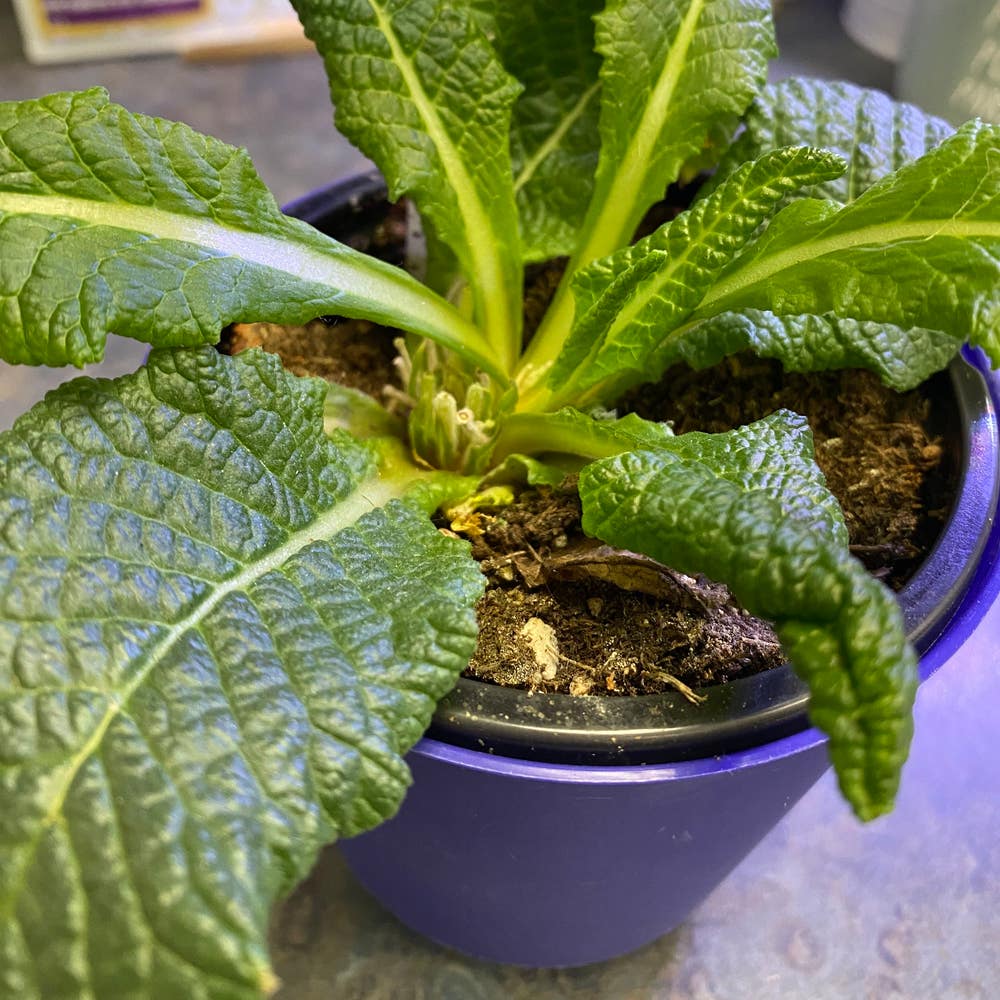
Giant Primrose Explained: Key Information 🌸
Primula pubescens
By the Greg Editorial Team
Jan 26, 2025•11 min read
This article was created with the help of AI so we can cover more plants for you. May contain errors. See one? Report it here.
- 🌱 Giant Primrose thrives in moist, shaded areas with indirect sunlight for optimal growth.
- 💧 Consistent moisture is crucial; keep soil evenly moist to prevent root rot.
- 🌼 Regular care, like deadheading, enhances health and beauty of Giant Primrose.
How to Grow
Choosing a Location 🌳
To thrive, Giant Primrose prefers moist, shaded areas with indirect sunlight. When deciding between outdoor planting or container growth, consider the specific light and moisture conditions of your chosen spot.
Soil Preparation 🌱
Giant Primrose flourishes in well-draining soil rich in organic matter. Aim for a soil pH that is slightly acidic to neutral, ideally between 6.0 and 7.0, to create the perfect growing environment.
Planting Techniques 🌼
When planting, ensure the seeds or young plants are placed 1-2 inches deep in the soil. For optimal growth, space them 12-18 inches apart to allow for adequate air circulation and sunlight.
Watering Requirements 💧
Maintaining consistent moisture is crucial; keep the soil evenly moist but avoid waterlogging. The frequency of watering will depend on your climate and whether the plants are in containers or the ground.
Fertilizing Schedule 🌿
During the growing season, use a balanced, water-soluble fertilizer every 4-6 weeks. This will provide the necessary nutrients to support healthy growth and vibrant blooms.
Pruning Methods ✂️
Regular deadheading is essential; remove spent flowers to encourage new blooms and prolong the flowering period. Additionally, trim any yellowing leaves to maintain plant health and vigor.
Ongoing Care 🔍
Keep a close eye on moisture levels and adjust your watering routine as needed. Protect your Giant Primrose from extreme temperatures and harsh sunlight to ensure it remains healthy and thriving.
With these foundational care tips, your Giant Primrose will flourish beautifully, setting the stage for the next section on propagation techniques.
Propagation
🌱 Seed Propagation
To start your Giant Primrose from seeds, sow them at a depth of 1/4 inch. Under optimal conditions, you can expect germination within 2 to 4 weeks.
✂️ Division Propagation
The best time to propagate through division is early spring or fall. This method involves carefully separating clumps of the plant and replanting them in new locations.
🌿 Cutting Propagation
For cutting propagation, select healthy cuttings that are 3-4 inches long. Use a rooting medium that combines peat and perlite for the best results.
By mastering these propagation techniques, you can expand your Giant Primrose collection and share its beauty with others. Next, let’s explore the lifecycle of this fascinating plant.
Lifecycle
Lifecycle Stages 🌱
Giant Primrose is a perennial plant, meaning it lives for multiple years and blooms seasonally. This characteristic allows it to thrive in gardens year after year, bringing consistent beauty.
Germination Process 🌡️
For successful germination, seeds prefer an optimal temperature range of 60-70°F (15-21°C). This warm environment encourages sprouting, setting the stage for healthy growth.
Seedling Stage 🌿
Once germinated, the seedling stage lasts about 4-6 weeks until true leaves appear. During this time, the young plants establish their foundation for future growth.
Vegetative Growth 🌳
In the vegetative growth phase, Giant Primrose experiences rapid leaf development and root establishment. This phase is crucial for building the plant's strength and resilience.
Flowering Phase 🌸
Typically, the flowering phase occurs in spring, showcasing vibrant blooms that attract pollinators. This is when the plant truly shines, adding color to your garden.
Seed Production 🌾
After flowering, seeds develop in late spring to early summer. This natural cycle ensures the continuation of the species and provides opportunities for propagation.
Lifespan and Growth Rate ⏳
Giant Primrose has an overall lifespan of 3-5 years, with a moderate growth rate. It reaches maturity in about 1-2 years, making it a rewarding addition to any garden.
As you explore the lifecycle of Giant Primrose, you'll appreciate its resilience and beauty. Next, let's delve into the size of this remarkable plant and what to expect in your garden.
Size
Mature Height and Spread 🌱
Giant Primrose typically reaches an average height of 12 to 18 inches. Its spread can range from 12 to 24 inches, making it a lovely addition to any garden space.
Growth Rate and Size Variability 📈
Several factors influence the size of Giant Primrose, including soil quality, moisture levels, and light exposure. Ensuring optimal conditions can lead to more vigorous growth and a fuller appearance.
Roots
🌱 Root System Characteristics
Giant Primrose features a fibrous root system that helps anchor the plant securely in the soil. This type of root structure is essential for nutrient absorption and overall plant health.
📏 Depth and Spread of Roots
Typically, the roots extend 6-12 inches deep. This depth allows the plant to access moisture and nutrients while maintaining stability.
⚠️ Common Root-Related Issues
One of the most common problems faced by Giant Primrose is root rot, which occurs due to overwatering. It's crucial to monitor watering habits to prevent this issue.
🔍 Identifying Healthy vs. Unhealthy Roots
Healthy roots are firm, white, and spread evenly throughout the soil. In contrast, unhealthy roots appear dark, mushy, or may emit a foul smell, indicating decay.
🌿 Recognizing Rootbound Plants
If you notice roots growing out of drainage holes or circling the pot, your plant may be rootbound. The solution is simple: repot the plant into a larger container to give it room to grow.
Understanding the root system of Giant Primrose is vital for ensuring its health and longevity. Proper care and attention to root conditions can lead to a thriving plant that enhances your garden.
Benefits
Top 5 Benefits 🌟
Giant Primrose offers a multitude of advantages that can enhance any garden. Here are the top five benefits that make this plant a favorite among gardeners.
Aesthetic Appeal
The vibrant flowers of the Giant Primrose are a visual delight. Their bright colors can transform any garden space, adding a splash of beauty that catches the eye.
Attracts Pollinators
These blooms are not just pretty; they also attract essential pollinators like bees and butterflies. This makes them a valuable addition to any garden, supporting local ecosystems.
Erosion Control
Giant Primrose plays a crucial role in stabilizing soil, especially in moist areas. Their root systems help prevent erosion, making them a practical choice for gardens on slopes or near water sources.
Medicinal Uses
Historically, Giant Primrose has been used in traditional remedies. While not a substitute for professional medical advice, its historical significance adds an interesting layer to its appeal.
Versatile Planting
This plant is incredibly versatile, thriving in borders, containers, and shaded areas. Whether you have a small balcony or a sprawling garden, Giant Primrose can fit right in.
Incorporating Giant Primrose into your garden not only beautifies your space but also supports the environment and offers practical benefits. Next, let’s explore how to propagate this wonderful plant to share its beauty with others.
Companion Plants
🌱 Concept of Companion Planting
Companion planting is all about creating a harmonious garden environment. By pairing plants that benefit each other, you can enhance garden diversity and improve pest management.
🌼 Best Companion Plants
When it comes to Giant Primrose, consider these suitable companions:
- Hostas: Their broad leaves provide a lovely contrast and thrive in similar conditions.
- Ferns: These shade-loving plants complement the primrose's aesthetic while enjoying the same moist environment.
- Astilbes: With their feathery blooms, astilbes add texture and color, thriving alongside Giant Primrose.
🚫 Plants to Avoid
Not all plants play nice. Steer clear of heavy feeders that compete for nutrients, as they can hinder the growth of your Giant Primrose.
By selecting the right companions, you can create a vibrant and thriving garden space. This thoughtful approach not only beautifies your garden but also fosters a healthier ecosystem.
Toxicity to Humans
⚠️ Potential Irritation
Giant Primrose can cause skin irritation, particularly from its leaves and flowers. It's essential to be aware of this when handling the plant.
🤕 Symptoms of Irritation
If you come into contact with the plant, you might experience skin rashes, itching, or even mild gastrointestinal upset. These symptoms can vary in severity, so it's best to take precautions.
🧤 Handling Precautions
To minimize the risk of irritation, always wear gloves when handling Giant Primrose. This simple step can help you enjoy your gardening experience without any unwanted discomfort.
As you explore the beauty of Giant Primrose, remember to stay safe and informed. Next, we’ll delve into how this plant interacts with our furry friends, focusing on its toxicity to dogs.
Toxicity to Dogs
⚠️ Potential Irritation
Giant Primrose can pose a risk to dogs, particularly through its leaves and sap. These parts may cause discomfort if ingested or if they come into contact with your pet's skin.
🤢 Symptoms of Discomfort
If your dog has been exposed to Giant Primrose, watch for signs like drooling, pawing at the mouth, or mild vomiting. These symptoms indicate that your furry friend may be experiencing irritation.
🏥 When to Seek Veterinary Care
If your dog's symptoms persist or worsen, it's essential to consult your veterinarian. They can provide guidance and treatment options to ensure your pet's well-being.
Understanding the potential toxicity of Giant Primrose is crucial for pet owners. By being aware of these risks, you can create a safer environment for your dogs while enjoying the beauty of your garden.
Toxicity to Cats
Potential Irritation 🐾
Giant Primrose can cause discomfort to cats, particularly from its leaves and sap. It's essential to be aware of this potential irritation if you have feline friends roaming your garden.
Symptoms of Discomfort 🤢
If your cat has ingested any part of the plant, watch for signs like drooling, pawing at the mouth, or mild vomiting. These symptoms indicate that your pet may be experiencing some distress.
When to Seek Veterinary Care 🚑
If your cat's symptoms persist or worsen, it's crucial to seek veterinary care. Prompt attention can ensure your furry companion receives the necessary treatment and feels better soon.
Understanding the toxicity of Giant Primrose helps you create a safer environment for your pets while enjoying the beauty of these vibrant flowers.
Problems
Common Problems 🌱
Growing Giant Primrose can be rewarding, but it comes with its share of challenges.
- Incorrect Watering: Overwatering can lead to root rot, while underwatering may cause wilting.
- Incorrect Light Conditions: Insufficient light can stunt growth, leading to leggy plants.
- Diseases: Fungal issues like powdery mildew and rust can affect the foliage and blooms.
Identifying Symptoms and Causes 🔍
Recognizing the symptoms early can save your plants.
- Overwatering: Look for yellowing leaves and a soggy soil texture.
- Underwatering: Signs include drooping leaves and dry soil.
- Inadequate Light: Plants may appear stretched or have fewer flowers.
- Fungal Diseases: Powdery mildew presents as a white, powdery coating, while rust shows orange or brown spots on leaves.
Solutions for Each Problem 💡
Addressing these issues promptly can help revive your Giant Primrose.
- For Overwatering: Allow the soil to dry out before watering again. Ensure pots have drainage holes.
- For Underwatering: Increase watering frequency, especially during hot weather.
- For Light Issues: Move plants to a brighter location, ensuring they receive indirect sunlight.
- For Fungal Diseases: Remove affected leaves and apply a fungicide if necessary.
By staying vigilant and responsive to these common problems, you can keep your Giant Primrose thriving. Next, let’s explore the potential pest issues that may arise in your garden.
Bugs
🐛 Potential Pest Issues
Giant Primrose can face various pest challenges, impacting its growth and health. Understanding pest resistance and susceptibility is crucial for effective management.
🔍 Identification of Pests
Common pests that target Giant Primrose include:
- Spider Mites: Tiny, spider-like creatures that thrive in dry conditions.
- Aphids: Small, soft-bodied insects that cluster on new growth.
- Mealybugs: White, cottony pests that often hide in leaf axils.
⚠️ Damage Caused by Pests
Each pest leaves its mark on your plants:
- Spider Mites: Cause stippling on leaves, leading to yellowing and eventual leaf drop.
- Aphids: Result in curled leaves and stunted growth due to sap sucking.
- Mealybugs: Create a sticky residue and can lead to sooty mold on leaves.
🛠️ Treatment Options
Managing pest infestations effectively involves several strategies:
- Regular Inspection: Check your plants frequently for early signs of pests.
- Natural Predators: Introduce ladybugs or lacewings to control aphid populations.
- Insecticidal Soap: Apply to affected areas to eliminate soft-bodied insects.
- Neem Oil: A natural pesticide that disrupts the life cycle of pests.
By staying vigilant and employing these methods, you can keep your Giant Primrose thriving and pest-free. Next, let’s explore what animals might be interested in snacking on your beautiful plants.
What Eats
🦌 Common Animals
Giant Primrose can attract a variety of hungry critters. The most common culprits include deer, rabbits, and squirrels, all of which may find these vibrant plants irresistible.
🕵️♂️ Signs of Animal Presence
Identifying signs of animal activity is crucial for protecting your plants. Look for chewed leaves, broken stems, or tracks around the garden that indicate these animals are feasting on your Giant Primrose.
🐾 Damage Description
Each animal leaves its mark in different ways. Deer tend to nibble the tops of plants, while rabbits may munch on lower leaves. Squirrels often dig around the base, potentially uprooting young plants.
🚫 Deterrent Methods
Preventing these animals from snacking on your plants can be achieved through various methods. Consider using chemical repellents or organic solutions like garlic spray to keep them at bay.
Additionally, physical barriers such as fencing or netting can effectively protect your Giant Primrose from these hungry visitors.
With the right strategies, you can enjoy the beauty of your plants without the worry of them becoming a meal for local wildlife.
⚠️ Safety First
This content is for general information and may contain errors, omissions, or outdated details. It is not medical, veterinary advice, or an endorsement of therapeutic claims.
Always consult a qualified healthcare professional before using any plant as food, medicine, or supplement.
Never eat any plant (or feed one to pets) without confirming its identity with at least two trusted sources.
If you suspect poisoning, call Poison Control (800) 222-1222, the Pet Poison Helpline (800) 213-6680, or your local emergency service immediately.
Spotted an error? Please report it here.
Cultivate a thriving Giant Primrose garden 🌼 by leveraging Greg's personalized care reminders and expert tips to ensure your plants flourish beautifully!