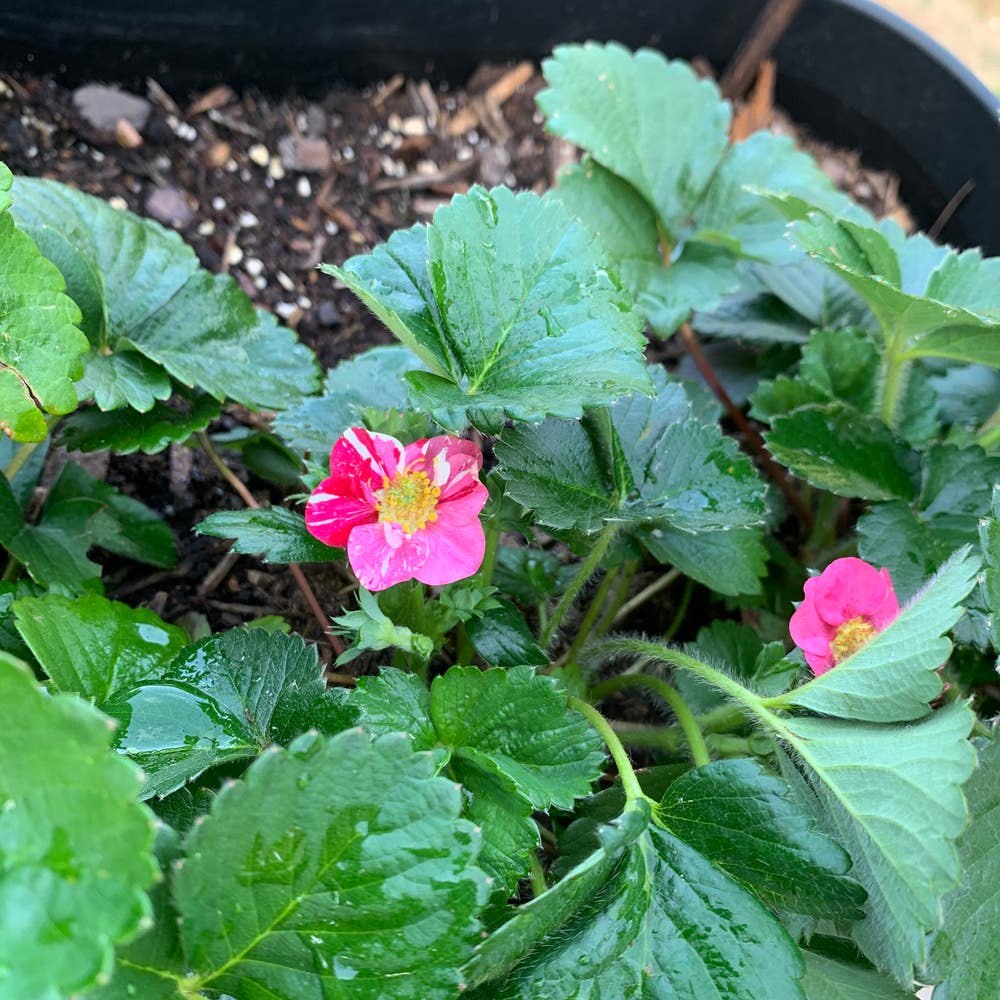
🌻 Introduction to Yellow Cinquefoil
Potentilla recta
By the Greg Editorial Team
Jan 23, 2025•11 min read
This article was created with the help of AI so we can cover more plants for you. May contain errors. See one? Report it here.
- 🌞 Yellow Cinquefoil thrives in full sun and prefers moderate temperatures for optimal growth.
- 🌱 Plant in well-drained soil with pH 6.0-7.0 for best results.
- 🐝 Attracts pollinators like bees and butterflies, enhancing your garden's ecosystem.
How to Grow
Choosing a Location 🌞
Yellow Cinquefoil thrives in full sun to partial shade. It prefers a climate with moderate temperatures and humidity, making it adaptable to various environments.
Soil Preparation 🏜️
For optimal growth, ensure well-drained soil with a pH range of 6.0 to 7.0. Incorporating organic matter can significantly improve drainage and nutrient availability.
Planting Techniques 🌱
The best time to plant Yellow Cinquefoil is in spring or fall. Space the plants 2-3 feet apart to allow for their natural spread and growth.
Watering Requirements 🚰
Initially, consistent moisture is crucial until the plants are established. Once settled, Yellow Cinquefoil exhibits drought resistance, requiring less frequent watering.
Fertilizing Schedule 🍽️
Use a balanced NPK fertilizer to support healthy growth. Apply it in early spring to give your plants a nutrient boost as they begin their growing season.
Pruning Methods ✂️
Prune in late winter or early spring to encourage bushiness. Techniques like deadheading can enhance flowering and overall plant health.
Ongoing Care 🛡️
When growing in containers, ensure proper drainage and choose an appropriately sized pot. Seasonal care tips include mulching to retain moisture and providing winter protection to safeguard against harsh conditions.
With these guidelines, you can cultivate a thriving Yellow Cinquefoil that adds beauty and resilience to your garden. Next, let’s explore how to propagate this lovely perennial.
Propagation
🌱 Seed Propagation
Collecting seeds from Yellow Cinquefoil is best done in late summer when the seed heads turn brown and dry. Gently shake or cut the seed heads to gather the seeds, ensuring you store them in a cool, dry place until you're ready to plant.
For successful germination, aim for temperatures between 65°F to 75°F and maintain consistent moisture in the soil. A light covering of soil can help retain moisture, promoting healthy seedling development.
✂️ Cutting Propagation
When selecting cuttings, look for healthy stems that are about 4-6 inches long. The best time for this is during the growing season, ideally in late spring or early summer when the plant is actively growing.
For rooting, use a well-draining medium like perlite or a mix of peat and sand. This will provide the right environment for your cuttings to thrive and develop strong roots.
Lifecycle
Lifecycle Stages 🌱
Yellow Cinquefoil is classified as a perennial, meaning it returns year after year. This resilient plant thrives through various seasons, showcasing its adaptability.
Germination Timeframe ⏳
Seeds typically germinate within 10-14 days under optimal conditions. This quick turnaround is one of the reasons gardeners love it.
Seedling Characteristics 🌿
As seedlings emerge, they develop true leaves, marking a significant growth milestone. These leaves are crucial for photosynthesis, helping the plant gather energy.
Growth Habits 🌳
During its growth phase, Yellow Cinquefoil exhibits robust leaf development and bushiness. This fullness not only enhances its visual appeal but also supports its role in the ecosystem.
Flowering Timing 🌼
Expect vibrant yellow flowers to bloom from late spring to early summer. This flowering period attracts various pollinators, adding life to your garden.
Lifespan ⏲️
With a lifespan of 3-5 years, Yellow Cinquefoil grows at a moderate rate, reaching full size in about 2-3 years. This longevity makes it a reliable choice for gardeners seeking lasting beauty.
In summary, understanding the lifecycle of Yellow Cinquefoil helps you appreciate its growth and care needs. Next, we’ll explore how to effectively size and manage this lovely plant in your garden.
Size
Mature Dimensions 🌼
Yellow Cinquefoil typically reaches a height of up to 2 feet and can spread up to 3 feet wide. This makes it an excellent choice for filling in garden spaces and creating a vibrant ground cover.
Growth Rate and Size Variability 📈
Several factors influence the size of Yellow Cinquefoil, including soil quality, sunlight exposure, and water availability. Ensuring optimal conditions can lead to a more robust and fuller plant, enhancing its overall beauty in your garden.
Understanding these elements can help you cultivate a thriving Yellow Cinquefoil that not only meets your aesthetic goals but also contributes positively to your garden's ecosystem.
Roots
Root System Characteristics 🌱
Yellow Cinquefoil features a fibrous root system that helps it establish a strong foundation in the soil. These roots typically reach a depth of 12-18 inches and spread beyond the plant's canopy, allowing for effective nutrient and water absorption.
Common Issues ⚠️
One of the most common problems with Yellow Cinquefoil is root rot, which can occur due to overwatering or poorly drained soil. To prevent this, ensure your plant is in well-draining conditions and monitor moisture levels closely.
Identifying healthy roots is crucial for maintaining plant health. Healthy roots are firm and light in color, while unhealthy roots may appear dark and mushy.
Another issue to watch for is rootbound plants, which occur when roots grow too densely within their container. Signs include stunted growth and roots emerging from the drainage holes. If you notice these symptoms, consider repotting your plant into a larger container to allow for further growth.
Understanding these root characteristics and potential issues can help you nurture your Yellow Cinquefoil effectively. With proper care, your plant will thrive and contribute to a vibrant garden.
Next, we'll explore the benefits of growing Yellow Cinquefoil, highlighting its advantages for your garden and the environment.
Benefits
Top 5 Benefits 🌟
Yellow Cinquefoil is a remarkable plant that offers a variety of benefits for gardeners and nature lovers alike. Here are the top five reasons to consider adding this perennial beauty to your landscape.
1. Drought Resistance
Once established, Yellow Cinquefoil requires minimal water. Its ability to thrive in dry conditions makes it an excellent choice for low-maintenance gardens.
2. Attractive Landscaping
With its bright yellow flowers, this plant adds a cheerful touch to any garden. Its vibrant blooms can enhance the aesthetic appeal of your outdoor space.
3. Erosion Control
Thanks to its ground cover properties, Yellow Cinquefoil helps stabilize soil. This makes it a great option for preventing erosion on slopes or in areas prone to runoff.
4. Pollinator-Friendly
Yellow Cinquefoil attracts a variety of pollinators, including bees and butterflies. By planting it, you contribute to the health of local ecosystems and support these essential creatures.
5. Cultural Significance
This plant symbolizes resilience and beauty in various cultures. Incorporating it into your garden can add a layer of meaning and connection to nature.
Incorporating Yellow Cinquefoil into your garden not only beautifies your space but also supports the environment. Its numerous benefits make it a worthy addition to any landscape.
Companion Plants
Companion Planting 🌱
Companion planting is a fantastic way to enhance your garden's health and diversity. By strategically pairing plants, you can improve pest management and create a more vibrant ecosystem.
Best Companions 🌼
When growing Yellow Cinquefoil, consider companions like lavender, catmint, and salvia. These plants share similar care needs, thriving in similar soil and sunlight conditions, while also attracting beneficial insects.
Plants to Avoid 🚫
Be cautious with plants that may compete for resources, such as heavy feeders like tomatoes or corn. These can overshadow Yellow Cinquefoil, leading to poor growth and health issues.
By choosing the right companions, you can create a thriving garden that supports both your Yellow Cinquefoil and its neighbors. Next, let’s explore the potential toxicity of Yellow Cinquefoil to humans, dogs, and cats.
Toxicity to Humans
Safety Overview 🌿
Yellow Cinquefoil is generally safe for humans and is not listed as toxic by poison control centers. However, it's wise to be cautious, as some individuals may experience mild skin irritation or digestive discomfort if they consume it in excessive amounts.
Monitoring Symptoms 👀
If you come into contact with the plant or ingest it, keep an eye out for any unusual symptoms. While serious reactions are rare, being aware of your body's responses can help ensure a safe gardening experience.
Conclusion 📝
In summary, while Yellow Cinquefoil poses minimal risk, it's always best to approach any plant with respect and awareness. This way, you can enjoy its beauty without worry, enhancing your garden with this resilient perennial.
Next, let’s explore how to propagate this lovely plant effectively.
Toxicity to Dogs
Safety Overview 🐶
Yellow Cinquefoil is not listed as toxic by pet poison control centers, making it a safe choice for gardens frequented by dogs. However, if your furry friend decides to munch on a few leaves, there could be minor issues like mild gastrointestinal upset, especially if consumed in large quantities.
Tips for Dog Owners 🐕
To keep your canine companions safe, consider the placement of your Yellow Cinquefoil. Position it in areas that are less accessible to your dog, and always monitor their behavior around the plants. This way, you can enjoy the beauty of your garden while ensuring your pet stays healthy and happy.
As you cultivate your garden, remember that a little awareness goes a long way in creating a safe environment for both plants and pets.
Toxicity to Cats
Safety Overview 🐱
Yellow Cinquefoil is not listed as toxic by pet poison control centers, making it a safe choice for cat owners. However, it's wise to keep an eye on your feline friends, as consuming large quantities may lead to mild gastrointestinal upset.
Monitoring and Placement Tips 🏡
To ensure your cat's safety, consider placing Yellow Cinquefoil in areas that are less accessible to them. Regularly monitor your cat's behavior around the plant to catch any unusual symptoms early on.
Conclusion 🌼
With its non-toxic nature, Yellow Cinquefoil can be a delightful addition to your garden without posing a risk to your cats. Just remember to keep an eye on their interactions with the plant to maintain a harmonious garden space.
Next, let's explore the common problems that can arise when growing Yellow Cinquefoil.
Problems
Common Issues 🌱
Growing Yellow Cinquefoil can be rewarding, but it’s essential to watch for common problems that can hinder its health and beauty. Here’s what to look out for.
Incorrect Watering 🚰
Watering is crucial for your plant's success. Overwatering can lead to yellowing leaves and root rot, while underwatering may cause wilting and browning.
Incorrect Light Conditions ☀️
Light is another vital factor. If your Yellow Cinquefoil isn’t getting enough sunlight, you might notice leggy growth and fewer flowers.
Incorrect Temperature 🌡️
Temperature extremes can stress your plant. High heat can lead to wilting, while frost can damage new growth, so keep an eye on the weather.
Diseases 🦠
Fungal diseases can be a significant threat. Look for signs like spots on leaves or a powdery coating, and manage these issues with proper air circulation and fungicides if necessary.
Root Problems 🌿
Healthy roots are the foundation of a thriving plant. Squishy roots often indicate root rot, while a rootbound plant may show stunted growth. Check the root system regularly to ensure it’s healthy and well-spread.
By staying vigilant about these common issues, you can help your Yellow Cinquefoil flourish. Next, let’s explore the fascinating world of pests that might also affect your plant's health.
Bugs
🐛 Pest Issues
Yellow Cinquefoil is generally resilient, but it can still fall prey to various pests. Understanding its susceptibility can help you maintain a healthy plant.
🦠 Common Pests
Spider Mites: These tiny pests thrive in dry conditions and can cause significant damage by sucking sap from the leaves. Look for fine webbing and stippled leaves as signs of infestation.
Aphids: These small, soft-bodied insects cluster on new growth and can lead to distorted leaves. They also excrete honeydew, which can attract other pests.
Whiteflies: Similar to aphids, whiteflies feed on plant sap and can weaken your Cinquefoil. Their presence is often indicated by a cloud of tiny white insects when the plant is disturbed.
⚠️ Damage and Treatment Options
Pest damage can manifest as yellowing leaves, stunted growth, or even plant death if left unchecked. To combat these issues:
- Regular Monitoring: Inspect your plants frequently for early signs of pests.
- Natural Predators: Introduce beneficial insects like ladybugs to keep pest populations in check.
- Insecticidal Soap: Use this eco-friendly option to treat infestations without harming beneficial insects.
By staying vigilant and proactive, you can protect your Yellow Cinquefoil from these common pests and enjoy its vibrant blooms for years to come.
Next, let’s explore what eats Yellow Cinquefoil and how to manage those interactions.
What Eats Yellow Cinquefoil
🐾 Common Herbivores
Yellow Cinquefoil can attract a variety of herbivores that may munch on its vibrant foliage. Common culprits include deer, rabbits, and squirrels, all of which can cause significant damage if left unchecked.
🔍 Signs of Animal Presence and Damage
Look for telltale signs of these hungry visitors. You might notice chewed leaves, missing flowers, or even tracks around your plants. Additionally, droppings near the base of the plant can indicate recent feeding activity.
🚫 Deterrent Methods for Managing Animal Interactions
To protect your Yellow Cinquefoil, consider implementing a few deterrent strategies.
- Physical Barriers: Fencing or netting can effectively keep larger animals like deer at bay.
- Repellents: Use commercial animal repellents or homemade solutions, such as a mix of water and hot pepper, to discourage nibbling.
- Companion Planting: Surrounding your Cinquefoil with plants that herbivores dislike can help create a natural barrier.
By being proactive, you can enjoy the beauty of Yellow Cinquefoil without the worry of it becoming a snack for local wildlife.
⚠️ Safety First
This content is for general information and may contain errors, omissions, or outdated details. It is not medical, veterinary advice, or an endorsement of therapeutic claims.
Always consult a qualified healthcare professional before using any plant as food, medicine, or supplement.
Never eat any plant (or feed one to pets) without confirming its identity with at least two trusted sources.
If you suspect poisoning, call Poison Control (800) 222-1222, the Pet Poison Helpline (800) 213-6680, or your local emergency service immediately.
Spotted an error? Please report it here.
Cultivate a thriving Yellow Cinquefoil 🌼 with Greg's tailored watering reminders and expert tips to ensure your garden flourishes while supporting local pollinators!