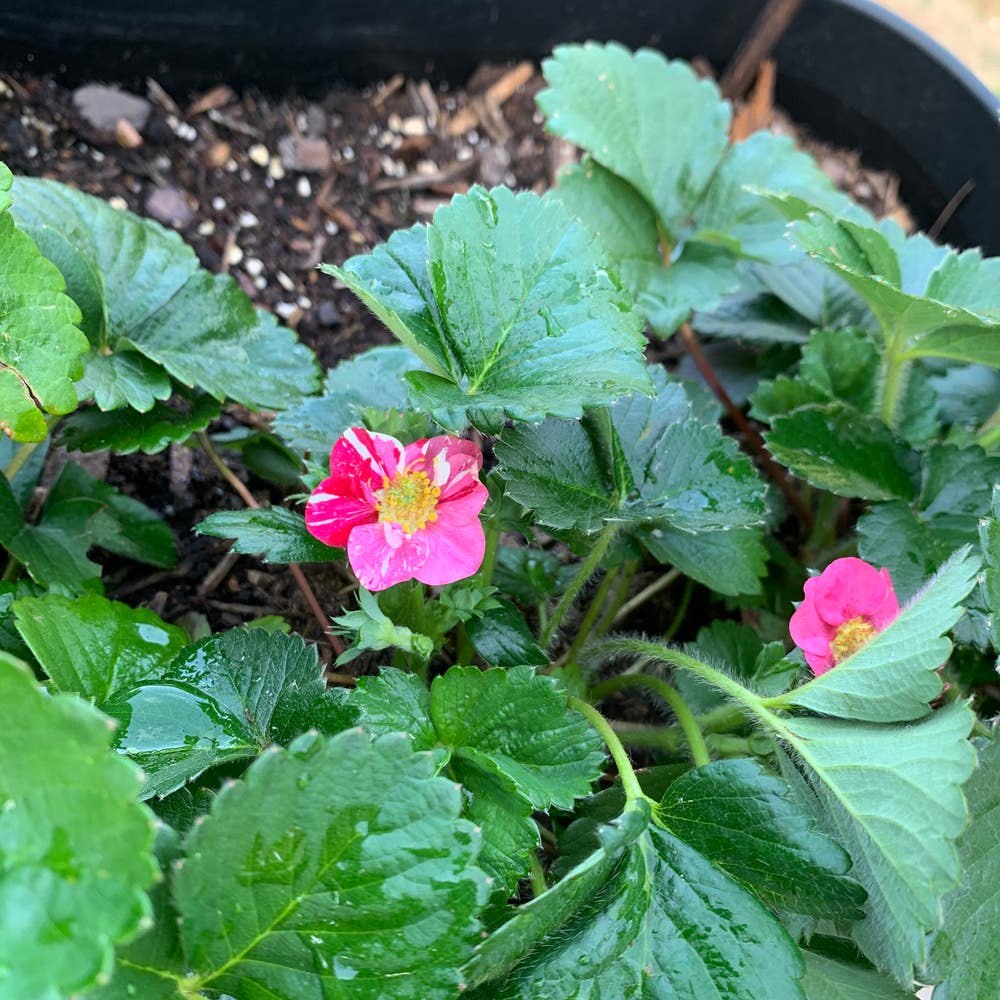
Should I Repot My Sulphur Cinquefoil?
Potentilla recta
By the Greg Editorial Team
Apr 10, 2024•4 min read
This article was created with the help of AI so we can cover more plants for you. May contain errors. See one? Report it here.
- Root-bound or thirsty? Time to repot your Sulphur Cinquefoil.
- Choose the right pot: Terracotta for breathability, ceramic for style.
- Post-repot care: Monitor conditions, prune, and wait on fertilizer.
Spotting the Tell-Tale Signs for Repotting
🌱 Root Tango: When Roots Take Over the Pot
Roots circling the pot or poking through drainage holes are screaming for space. A root-bound Sulphur Cinquefoil isn't being adventurous; it's cramped.
💧 Thirsty Much? Water Drainage Woes
If water zips through the pot like a kid on a waterslide, it's a sign: too much root, not enough soil. Poor water retention equals a thirsty plant.
🚫 Stunted Growth: When Your Plant Stops Thriving
When your Sulphur Cinquefoil's growth hits a wall, it's not just being lazy. Stunted growth is a red flag for repotting.
The Repotting Rundown: A Step-by-Step Guide
🌱 Choosing a New Pot: Size Matters
Selecting the right pot size for your Sulphur Cinquefoil isn't rocket science, but it's close. Go for a pot that's 1-2 inches larger in diameter than the old one. It's like giving your plant a "roomier jeans" upgrade without going baggy.
🏺 Material Matters: Picking the Perfect Pot
When it comes to pot materials, it's a showdown between terracotta, plastic, and ceramic. Terracotta is the MVP for breathability, but it's thirsty for water and can crack under frost's cold stare. Plastic is the lightweight, wallet-friendly option, but it holds onto moisture like a clingy ex. Ceramic? Stylish and sturdy, but it can be heavy, and your bank account might feel the weight too.
🌿 The Gentle Touch: Root Teasing and Soil Prep
Handle those roots with the care of a bomb squad technician. Gently tease them apart if they're tangled, like you're untangling your headphones but with more at stake. Fresh potting mix is your plant's new best friend—make sure it's well-aerated and nutrient-rich. Think of it as a spa treatment for your plant's roots.
Pot Material Pros and Cons: What's Best for Sulphur Cinquefoil?
🏺 Terracotta: The Breathable Choice
Terracotta pots are the MVPs for plants like Sulphur Cinquefoil that thrive in well-draining soil. Their porous nature is a godsend, wicking away excess moisture and reducing the risk of root rot. Plus, they age like fine wine, developing a charming patina over time. But remember, they're heavy hitters—both in weight and if they hit the floor.
🥤 Plastic: The Convenient Contender
Plastic pots are the lightweight champions of the pot world. They're easy to move and won't break your back or themselves when dropped. Ideal for the forgetful waterers, they retain moisture longer, which can be a boon or bane. Keep a watchful eye on watering to prevent your Sulphur Cinquefoil's roots from getting soggy. And let's face it, they're not winning any environmental awards.
🍶 Ceramic: The Stylish Solution
Ceramic pots are the runway models—sleek, stylish, and available in designs that'll make your heart flutter. They strike a balance between moisture retention and breathability, making them a solid choice for Sulphur Cinquefoil. But they're like that high-maintenance friend; heavy, potentially pricey, and you'll need to ensure they have drainage holes to avoid creating an accidental swamp.
Aftercare: Helping Your Sulphur Cinquefoil Settle In
🌱 First Days: Monitoring Moisture and Light
After the repotting hustle, your Sulphur Cinquefoil's roots are in shock, craving stability. Water the plant when the top inch of soil feels like a dry summer day—dry. Too much H2O, and you'll drown its sorrows, literally. Find a bright spot for your green buddy that dodges the harsh midday sun like a shy vampire, preventing a greenhouse meltdown.
🌿 Long-Term Love: Ongoing Care Post-Repotting
Your plant's not sprinting to green stardom—it's on a marathon. Hold off on the fertilizer; think of it as a spa detox for your Sulphur Cinquefoil. Give it half a year to chill before boosting it with nutrients. Keep a watchful eye for the drama of yellowing leaves or a wilted posture. Prune with the precision of a bonsai master to encourage a bushy comeback. Remember, patience is the secret sauce for a thriving plant.
⚠️ Safety First
This content is for general information and may contain errors, omissions, or outdated details. It is not medical, veterinary advice, or an endorsement of therapeutic claims.
Always consult a qualified healthcare professional before using any plant as food, medicine, or supplement.
Never eat any plant (or feed one to pets) without confirming its identity with at least two trusted sources.
If you suspect poisoning, call Poison Control (800) 222-1222, the Pet Poison Helpline (800) 213-6680, or your local emergency service immediately.
Spotted an error? Please report it here.
With Greg's personalized care reminders, watch your repotted Sulphur Cinquefoil grow into a lush, happy plant 🌿, free from the guesswork of post-repotting care.