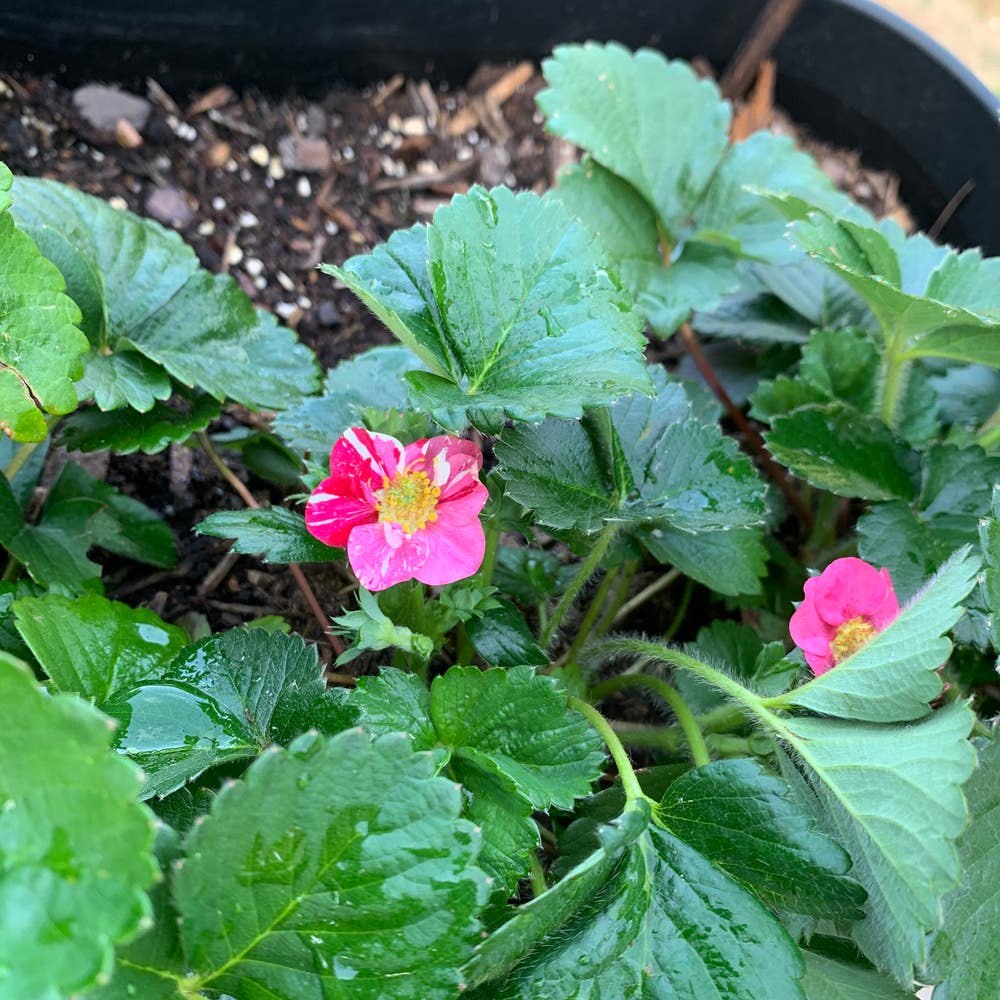
🌼 Sulphur Cinquefoil Buds Won't Open
Potentilla recta
By the Greg Editorial Team
Sep 30, 2024•5 min read
This article was created with the help of AI so we can cover more plants for you. May contain errors. See one? Report it here.
- 🌞 Sulphur Cinquefoil needs 6-8 hours of sunlight daily to bloom effectively.
- 🌱 Nutrient deficiencies in nitrogen, phosphorus, and potassium hinder flowering potential.
- 💧 Environmental stress from temperature extremes and moisture affects blooming success.
Failure to Bloom
🌞 Causes
Insufficient Light
Sulphur Cinquefoil thrives in full sun, requiring 6-8 hours of direct sunlight daily. When shaded, these plants struggle to bloom, leading to disappointing results.
Nutrient Deficiencies
Key nutrients like nitrogen, phosphorus, and potassium are essential for flowering. Watch for signs of deficiency, such as yellowing leaves and stunted growth, which indicate your plant may need a nutrient boost.
Environmental Stress
Extreme temperatures and unpredictable weather can severely impact blooming. Additionally, both drought and excessive moisture can stress the plant, hindering its ability to produce flowers.
💡 Solutions
Adjusting Light Exposure
To enhance blooming, consider relocating your plants to sunnier spots. You can also use reflective surfaces to maximize light exposure, ensuring your plants get the sunlight they crave.
Fertilization Tips
Opt for balanced fertilizers with appropriate NPK ratios to support flowering. Timing is crucial; fertilize in early spring, just before the blooming season begins, to give your plants the best chance.
Stress Mitigation
Implement techniques to reduce environmental stress, such as consistent watering and monitoring weather conditions. Providing steady care during the flowering season is vital for encouraging robust blooms.
By addressing these causes and implementing effective solutions, you can help your Sulphur Cinquefoil thrive and bloom beautifully. Next, we’ll explore the issue of premature flower drop and how to prevent it.
Premature Flower Drop
🌊 Causes
Overwatering
Overwatering is a common culprit behind premature flower drop. Look for signs like wilting and yellowing leaves, which indicate that your plant is drowning.
Excess moisture can severely impact root health, leading to poor flower retention. If the roots are compromised, the plant struggles to support its blooms.
Pest Infestations
Pests such as aphids and spider mites can wreak havoc on your Sulphur Cinquefoil. Keep an eye out for distorted leaves and sticky residue, which signal an infestation.
These pests not only damage the foliage but can also lead to flower drop if left unchecked.
Temperature Fluctuations
Sudden temperature changes can stress your plants, causing flowers to drop prematurely. Sulphur Cinquefoil thrives in a stable temperature range, so fluctuations can be detrimental.
Maintaining an ideal environment is crucial for flower retention.
🛠️ Solutions
Watering Guidelines
To combat overwatering, allow the soil to dry out between watering sessions. This practice helps prevent root rot and keeps your plant healthy.
Ensure your soil is well-draining to further protect against excess moisture.
Pest Control Methods
Implement both organic and chemical pest control options to manage infestations effectively. Regular monitoring is key; catch issues early to minimize damage.
Consider using insecticidal soap or neem oil as part of your pest management strategy.
🌡️ Temperature Management
Protect your plants from extreme temperatures by using mulch to regulate soil temperature. This simple step can create a more stable environment for your Sulphur Cinquefoil.
Additionally, consider relocating plants during temperature spikes to shield them from harsh conditions.
By addressing these factors, you can significantly reduce the risk of premature flower drop and enjoy a thriving garden. Next, let’s explore abnormal flower development and how to tackle it effectively.
Abnormal Flower Development
🌱 Causes
Genetic Factors
Genetic predispositions can significantly affect flower quality. Some cultivars are known to have inherent issues that may lead to abnormal development.
Improper Pruning
Incorrect pruning can hinder flower development. It's crucial to understand the right timing and techniques to ensure healthy blooms.
Disease
Diseases like powdery mildew and root rot can devastate flower quality. Watch for symptoms such as discoloration and wilting to catch issues early.
💡 Solutions
Identifying Genetic Issues
Select healthy, robust cultivars when planting. Sourcing from reputable nurseries can help avoid genetic problems.
Proper Pruning Techniques
Adopt best practices for pruning to encourage blooms. Timing is key; prune at the right moment for optimal flower development.
Disease Management
Preventative measures are essential. Ensure proper spacing and air circulation to minimize disease risk, and be ready with treatment options for common ailments.
Understanding these factors and solutions can help you cultivate a thriving garden. Next, we’ll explore the impact of pruning on flowering and how to do it effectively.
Pruning and Its Effects on Flowering
🌱 Timing of Pruning
Pruning at the right time is crucial for healthy blooms. Aim for late winter to early spring, just before new growth begins.
Removing dead or damaged stems during this period not only enhances the plant's appearance but also promotes vigorous growth. This simple step can make a significant difference in your flowering success.
✂️ Techniques for Encouraging Blooming
🌼 Specific Pruning Techniques to Promote Flowering
To encourage bushier growth, try pinching back the tips of your plants. This technique redirects energy to lateral buds, resulting in a fuller appearance.
Thinning out crowded areas is another effective method. It improves air circulation, reducing the risk of disease and allowing each flower to thrive.
🚫 Avoiding Common Pruning Mistakes
Over-pruning can be detrimental. It may lead to weak growth and fewer blooms, so always prune with intention.
Using clean, sharp tools is essential to prevent disease spread. A little care in your approach can lead to a flourishing garden.
With these pruning strategies, you'll set the stage for vibrant blooms and a healthier plant overall. Next, let's explore how to manage premature flower drop effectively.
⚠️ Safety First
This content is for general information and may contain errors, omissions, or outdated details. It is not medical, veterinary advice, or an endorsement of therapeutic claims.
Always consult a qualified healthcare professional before using any plant as food, medicine, or supplement.
Never eat any plant (or feed one to pets) without confirming its identity with at least two trusted sources.
If you suspect poisoning, call Poison Control (800) 222-1222, the Pet Poison Helpline (800) 213-6680, or your local emergency service immediately.
Spotted an error? Please report it here.
Unlock vibrant blooms for your Sulphur Cinquefoil 🌼 by using Greg's tailored care reminders to ensure it gets the sunlight and nutrients it craves!