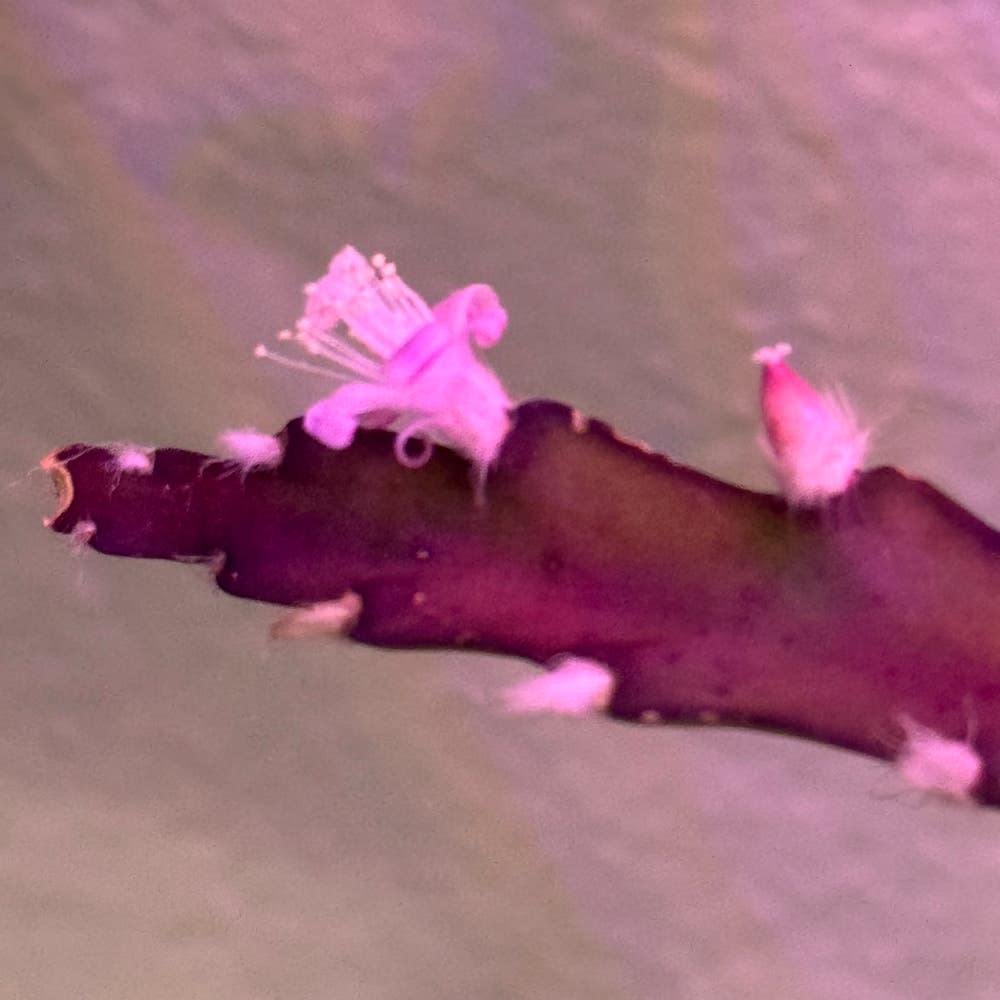
Overview of Woolly Cactus 🌵
Echinocactus platyacanthus
By the Greg Editorial Team
Jan 23, 2025•11 min read
This article was created with the help of AI so we can cover more plants for you. May contain errors. See one? Report it here.
Discover the charm of the Woolly Cactus 🌵—a stunning, low-maintenance plant that thrives on neglect and brightens any space!
- 🌞 Woolly Cactus needs at least six hours of sunlight daily for optimal growth.
- 🌱 Use well-draining soil with a pH of 6.0 to 7.0 for healthy roots.
- 💧 Water only when the top inch is dry to prevent root rot.
How to Grow
Choosing a Location 🌞
To thrive, the Woolly Cactus needs full sun exposure for at least six hours daily. When deciding between outdoor planting and container gardening, consider factors like drainage and temperature variations to ensure optimal growth.
Soil Preparation 🌱
The right soil is crucial for your cactus's health. A well-draining cactus mix or sandy loam is ideal, with a pH level ranging from slightly acidic to neutral (6.0 - 7.0).
Planting Techniques 🌍
When planting, ensure the top of the root ball is level with the soil surface. For outdoor planting, maintain a minimum spacing of 12 inches apart to allow for proper growth.
Watering Guidelines 💧
Water your Woolly Cactus only when the top inch of soil is dry to the touch. Deep watering is essential to encourage root growth, but be cautious to avoid waterlogging.
Fertilizing Needs 🌼
During the growing season, use a diluted cactus fertilizer to nourish your plant. Fertilize every 4-6 weeks in spring and summer for best results.
Pruning Methods ✂️
Pruning is essential for maintaining the health of your cactus. Remove any dead or damaged spines as needed, using gloves and sharp shears to prevent injury.
Ongoing Care 🔍
Regularly monitor your cactus for pests and diseases to catch any issues early. Adjust your watering schedule based on seasonal changes and the growth stage of your plant.
With these guidelines, you'll be well on your way to cultivating a healthy and vibrant Woolly Cactus. Next, let's explore the exciting world of propagation!
Propagation
🌱 Methods of Propagation
Woolly cactus can be propagated through two primary methods: seeds and cuttings. Both techniques are straightforward and can lead to successful new plants.
📋 Step-by-Step Instructions
🌾 Seeds
- Sow seeds in a well-draining cactus mix. This ensures that excess moisture doesn't hinder germination.
- Keep the soil moist and warm (70°F to 80°F) until germination occurs, which typically takes 2-4 weeks.
✂️ Cuttings
- Allow cuttings to dry for 1-2 days before planting. This helps to prevent rot and encourages healthy root development.
- Plant in a cactus mix and water sparingly until roots develop, which usually takes about 2-3 weeks.
Propagation is an exciting way to expand your collection of woolly cacti. By following these simple steps, you can enjoy the satisfaction of nurturing new plants from seeds or cuttings.
Next, we will explore the lifecycle of the woolly cactus, detailing its growth stages and lifespan.
Lifecycle
🌱 Lifecycle Stages
The lifecycle of the Woolly Cactus begins with germination, which takes about 2-4 weeks under optimal conditions. Following this, the seedling stage lasts 3-6 months, requiring bright light and minimal water to thrive.
🌼 Vegetative Growth and Flowering
During spring and summer, the cactus enters its vegetative growth phase, where it actively develops. Flowering typically occurs in late spring to early summer, showcasing its vibrant blooms.
🌾 Seed Production
After flowering, the cactus produces seeds that mature by late summer. This cycle ensures the continuation of the species and provides opportunities for propagation.
⏳ Lifespan
Woolly Cacti can live an impressive average lifespan of 10-30 years, depending on the care and conditions they receive. Proper attention to their needs can significantly extend their life.
📈 Growth Timeline
These cacti take approximately 3-5 years to reach maturity. Their growth speed is moderate, with annual growth typically ranging from 1-3 inches.
As you explore the lifecycle of the Woolly Cactus, you'll appreciate the patience required to nurture these resilient plants. Next, let's delve into the fascinating world of their size and growth characteristics.
Size
Mature Height and Spread 🌵
The Woolly Cactus typically reaches a mature height of 12 to 24 inches. Its spread can range from 12 to 18 inches in diameter, making it a striking addition to any garden or indoor space.
Growth Rate and Size Variability 📈
This cactus has a moderate growth rate, which can be influenced by various environmental conditions. Factors such as soil quality, watering practices, and sunlight exposure can lead to noticeable size variability among individual plants.
Factors Affecting Size 📏
When grown in containers, the Woolly Cactus may remain smaller due to limited root space. In contrast, optimal light and temperature conditions can promote larger growth, allowing this resilient plant to thrive.
Understanding these size dynamics can help you make informed decisions about your Woolly Cactus care. Whether you’re aiming for a compact indoor display or a larger outdoor specimen, knowing how to manage these factors will lead to a healthier, more vibrant plant.
Next, let's explore the fascinating root system of the Woolly Cactus and how it contributes to its overall health and growth.
Roots
Characteristics of the Root System 🌱
Woolly Cactus features a fibrous root system complemented by a deep taproot. This robust structure can reach depths of up to 2 feet in well-draining soil, allowing the plant to access moisture and nutrients effectively.
Common Root-Related Issues 🚫
One of the most common problems is root rot, typically caused by overwatering. To prevent this, ensure proper drainage in your pot or garden bed.
Identifying Healthy vs. Unhealthy Roots 🔍
Healthy roots are firm, white, and spread out evenly throughout the soil. In contrast, unhealthy roots appear dark, mushy, or may even emit a foul smell, indicating a need for immediate attention.
Recognizing Rootbound Plants 🪴
If you notice roots growing out of drainage holes or circling the pot, your cactus may be rootbound. The solution is simple: either repot it into a larger container or trim the roots to encourage new growth.
Understanding the root system of your Woolly Cactus is crucial for its overall health. By monitoring root conditions and addressing issues promptly, you can ensure your cactus thrives beautifully.
Next, let’s explore the benefits of growing this unique plant.
Benefits
Top 5 Benefits 🌟
Low Maintenance: Woolly Cactus thrives with minimal care, making it perfect for busy gardeners. It requires infrequent watering and can withstand neglect.
Aesthetic Appeal: Its unique, fluffy appearance adds a striking element to any garden design. This cactus can serve as a focal point or complement other plants beautifully.
Drought-Resistant: Ideal for arid climates, Woolly Cactus is a champion of xeriscaping. It conserves water while still providing vibrant greenery.
Cultural Significance: This cactus holds a special place in Native American crafts and symbolism. It embodies resilience and resourcefulness, making it more than just a plant.
Air Purification: Woolly Cactus contributes to improved indoor air quality. It helps filter pollutants, making your living space healthier.
Symbolism and Cultural Significance 🌵
Woolly Cactus symbolizes endurance and resilience, thriving in harsh environments where many plants fail. Its presence in traditional crafts and art highlights its cultural importance, connecting people to nature and history.
Embracing this cactus in your garden not only enhances its beauty but also invites a deeper appreciation for the strength found in nature. As you care for your Woolly Cactus, you participate in a legacy that celebrates survival and creativity.
With these benefits in mind, you can confidently choose Woolly Cactus for your garden or home. Its unique qualities make it a rewarding addition that requires little effort while providing significant rewards.
Next, let's explore the concept of companion planting and how to enhance your garden's diversity with the right plant pairings.
Companion Plants
🌱 Concept of Companion Planting
Companion planting is all about creating a harmonious garden ecosystem. By pairing plants that support each other, you can enhance diversity, improve pest management, and boost overall plant health.
🌼 Best Companion Plants
When it comes to the Woolly Cactus, certain companions thrive alongside it.
- Succulents: These share similar care needs and drought tolerance, making them perfect partners.
- Desert Marigold: Not only does it attract beneficial insects, but it also adds a splash of color to your garden.
🚫 Plants to Avoid
While some plants are great companions, others can be detrimental.
- Heavy Feeders: Plants like tomatoes or corn can compete for nutrients, hindering the growth of your Woolly Cactus.
Choosing the right companions can make a significant difference in your garden's success. By fostering a supportive environment, you can ensure your Woolly Cactus thrives alongside its friends.
Next, let's explore the fascinating world of Woolly Cactus toxicity to humans, dogs, and cats.
Toxicity to Humans
Woolly Cactus is generally considered safe, as it is not listed as toxic by major poison control centers. However, like many plants, it can cause mild skin irritation from its spines or minor digestive discomfort if consumed in large quantities.
It's always wise to exercise caution with any plant. If you experience unusual symptoms after contact or consumption, seeking medical advice is recommended to ensure your safety.
Toxicity to Dogs
Woolly Cactus is generally safe for dogs, as it is not listed as toxic by major pet poison control centers. However, if your furry friend decides to munch on it, you might notice some mild gastrointestinal upset.
🐶 Monitoring Your Dog
To keep your dog safe, it's essential to place the Woolly Cactus in an area that's out of reach. Regularly monitor your dog's behavior around the plant to prevent any unwanted snacking.
📝 Conclusion
While Woolly Cactus poses minimal risks to dogs, being proactive about placement and observation can ensure a harmonious coexistence. Next, let’s explore how this fascinating plant interacts with our feline friends.
Toxicity to Cats
Woolly Cactus is generally considered safe for cats, as it is not listed as toxic by major pet poison control centers. However, if your feline friend decides to take a nibble, it may experience mild gastrointestinal upset.
🐱 Monitoring Your Cat
To ensure your cat stays safe, it's wise to place the Woolly Cactus in an area that's out of reach. Regularly monitor your cat's behavior around the plant to prevent any unwanted snacking.
📝 Conclusion
While the Woolly Cactus poses minimal risk to cats, keeping an eye on their interactions with the plant is always a good practice. This way, you can enjoy your beautiful cactus without worrying about your furry companion's health.
Next, let’s explore the common problems that can arise when caring for your Woolly Cactus.
Problems
🌱 Common Problems
Woolly Cactus can face several challenges that affect its health and growth.
- Incorrect watering: Signs include wilting when underwatered or mushy stems when overwatered.
- Incorrect light conditions: Etiolated growth, where the cactus stretches towards the light, indicates insufficient light.
- Incorrect temperature: Cold drafts can stress the plant and lead to damage.
- Diseases: Fungal issues like powdery mildew and root rot can occur if conditions are not ideal.
- Leaf issues: Scorching from too much direct sunlight or yellowing from nutrient deficiencies can signal problems.
🔍 Identification and Resolution
Identifying the issue early can save your Woolly Cactus from serious harm.
- Watering: Adjust the frequency based on soil moisture; let the top inch dry out before watering again.
- Light: If you notice etiolated growth, move the cactus to a brighter location.
- Temperature: Protect your cactus from cold drafts and extreme heat to maintain its health.
- Diseases: Treat fungal issues with appropriate fungicides and improve air circulation around the plant.
- Leaf issues: Assess light and nutrient levels to correct any deficiencies.
By staying vigilant and responsive to these common problems, you can ensure your Woolly Cactus thrives in your care.
Bugs
Potential Pest Issues 🐜
While the Woolly Cactus is generally pest-resistant, it can still fall victim to certain pests. Keeping an eye out for these intruders is essential for maintaining the health of your plant.
Identification and Damage 🔍
- Spider Mites: Look for fine webbing and stippled leaves, which indicate these tiny pests are at work.
- Scale Insects: These pests leave a sticky residue and can cause yellowing leaves, signaling their presence.
- Mealybugs: Characterized by cotton-like masses on stems and leaves, mealybugs can weaken your cactus if not addressed promptly.
Effective Treatment Options 💪
To combat these pests effectively, consider the following methods:
- Neem Oil: This natural pesticide works wonders against various pests while being gentle on your cactus.
- Insecticidal Soap: An excellent choice for soft-bodied insects, it helps eliminate infestations without harming your plant.
- Manual Removal: For a hands-on approach, simply wipe off pests with a damp cloth to keep your cactus clean and healthy.
By staying vigilant and employing these treatment options, you can ensure your Woolly Cactus thrives, free from unwanted pests. Next, let’s explore what animals might be interested in munching on your cactus.
What Eats Woolly Cactus
Common Animals 🦌
Woolly Cactus can attract a variety of hungry critters.
- Deer: Look for chewed edges and missing spines as telltale signs.
- Rabbits: They often nibble on the lower parts of the cactus.
- Squirrels: These little diggers may chew on the plant or disturb its base.
Signs of Animal Presence 🐾
Identifying animal visitors is crucial for protecting your cactus.
- Tracks or Droppings: Finding these near your plant can indicate animal activity.
- Visible Damage: Chewed or damaged areas on the cactus structure signal that something has been snacking.
Deterrent Methods 🚫
Keeping your Woolly Cactus safe from munching animals is essential.
- Chemical Repellents: Consider using commercial products designed to deter herbivores.
- Organic Methods: Garlic spray or planting deterrent herbs nearby can also help keep these pests at bay.
By being vigilant and proactive, you can enjoy your Woolly Cactus without the worry of it becoming a meal for local wildlife. Next, let's explore the potential pest issues that can affect your cactus.
⚠️ Safety First
This content is for general information and may contain errors, omissions, or outdated details. It is not medical, veterinary advice, or an endorsement of therapeutic claims.
Always consult a qualified healthcare professional before using any plant as food, medicine, or supplement.
Never eat any plant (or feed one to pets) without confirming its identity with at least two trusted sources.
If you suspect poisoning, call Poison Control (800) 222-1222, the Pet Poison Helpline (800) 213-6680, or your local emergency service immediately.
Spotted an error? Please report it here.
Cultivate a thriving Woolly Cactus 🌵 by using Greg's personalized care reminders and expert tips to meet its unique needs for sunlight, soil, and watering!